

As steering systems evolve from mechanical to intelligent architectures, their role in improving efficiency, control and driver comfort is critical, writes Upendra Kasbekar
Spending time behind the wheel of passenger vehicles as well as heavy commercial vehicles and, more importantly, observing drivers operate them across highways, congested city roads and industrial zones, one quickly realises that steering is rarely discussed until it becomes a problem. Whether it is the constant correction required on uneven roads, the physical effort involved in manoeuvring through tight urban spaces, or the fatigue that builds up over long duty cycles, steering plays a far more critical role than it is often credited for.
Yet, this fundamental system is now undergoing a significant transformation, evolving from a purely mechanical and hydraulic function into an intelligent, electronically controlled system with direct implications for efficiency, safety and overall vehicle performance. This transition is also being strengthened through industry collaborations. The expanded partnership between ZF Friedrichshafen and Rane Group reflects a clear intent to localise advanced steering technologies, where, as Theodor Kaster, senior vice president from ZF Global Steering noted, “we intend to offer a full range of state-of-the-art electric power steering systems for the Indian market,” combining global engineering expertise with local requirements. At the same time, Harish Lakshman, Chairman of Rane Group emphasised that “this collaboration marks a significant step towards bringing next-generation steering technologies to India,” highlighting improvements in safety, comfort and performance tailored to Indian operating conditions.
While commercial vehicles remain the primary focus from an operational and efficiency standpoint, many steering innovations are initially developed in the passenger vehicle segment before transitioning into heavy-duty applications. This broader shift is being driven by electrification, ADAS integration and software-defined architectures, where, as Tanja Ruckert, member of the board of management and CDO at Robert Bosch GmbH, highlighted, “by integrating hardware and software, we can create intelligent mobility solutions that bridge the gap between the physical and digital worlds,” reinforcing the growing importance of steering as part of a larger integrated control ecosystem.
The global steering systems market has been witnessing steady growth, driven by electrification and increasing system integration. Industry estimates suggest that the market, valued at approximately USD 28–30 billion in the early 2020s, is expected to reach nearly USD 40–45 billion by the end of the decade, growing at a compound annual rate of around 5–6 per cent. More importantly, this growth reflects a deeper transition: steering is no longer a passive mechanical system but an active, software-driven control function integrated within the broader vehicle architecture.
Globally, steering systems are transitioning from conventional hydraulic architectures to electrically assisted and fully electronic configurations. Leading suppliers such as Bosch, ZF Friedrichshafen, Nexteer Automotive and JTEKT are at the forefront of this transformation, positioning steering as a key element within software-defined vehicle platforms rather than a standalone subsystem.
Hidden Losses
For decades, hydraulic power steering has been the backbone of heavy-duty vehicles. While robust and proven, it carries an inherent inefficiency: the hydraulic pump is continuously driven by the engine, irrespective of whether steering input is required. This results in a constant parasitic load on the engine, consuming energy even during steady-state driving conditions.
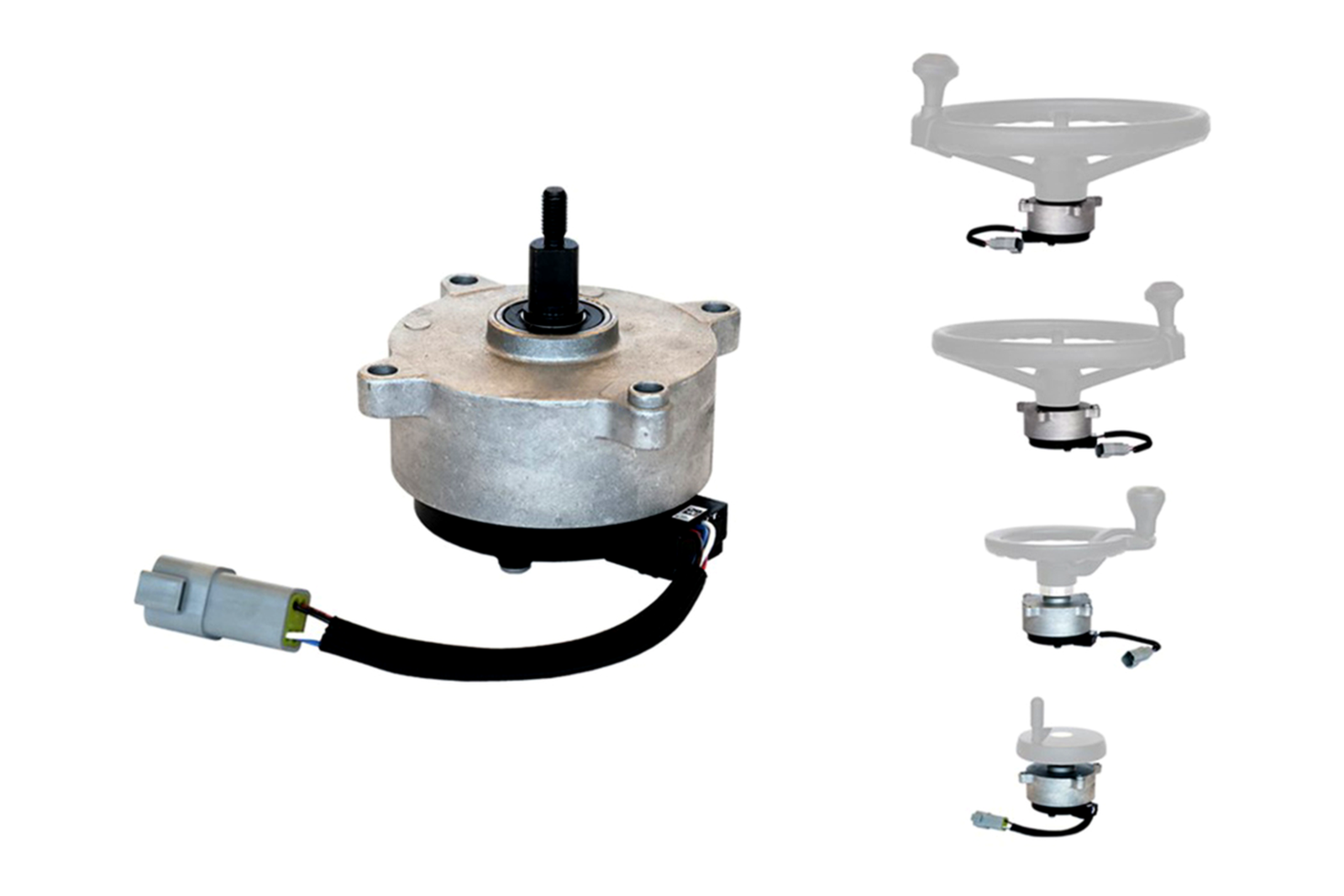
In high-utilisation applications such as long-haul trucking, mining or construction operations, this inefficiency accumulates over time. Even if steering-related energy losses appear marginal on a per-kilometre basis, their cumulative impact over long duty cycles becomes significant. In a segment where fuel costs account for a substantial portion of operating expenses, even a one to two per cent improvement in auxiliary efficiency can translate into meaningful savings at the fleet level.
EPS Advantage
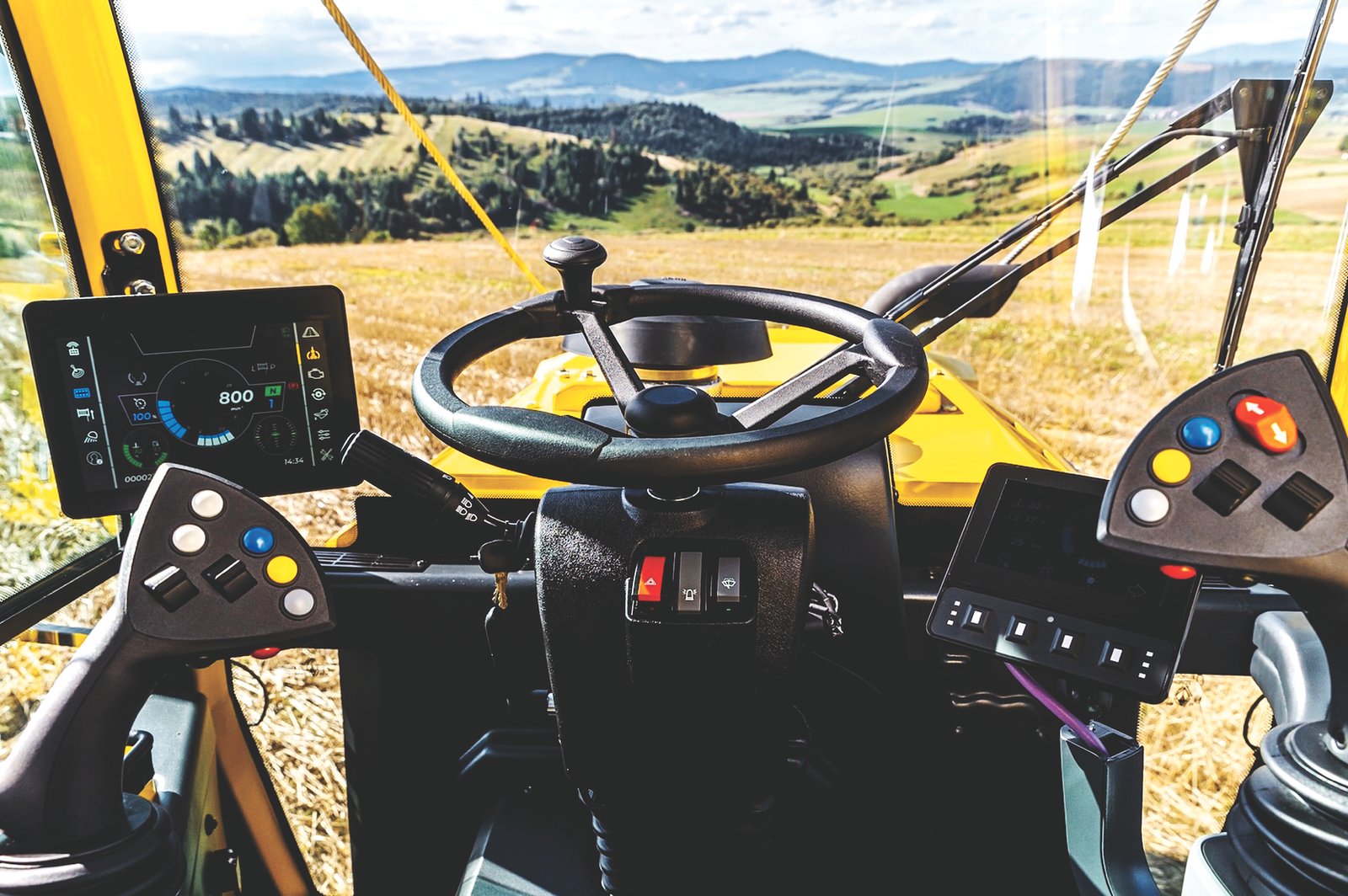
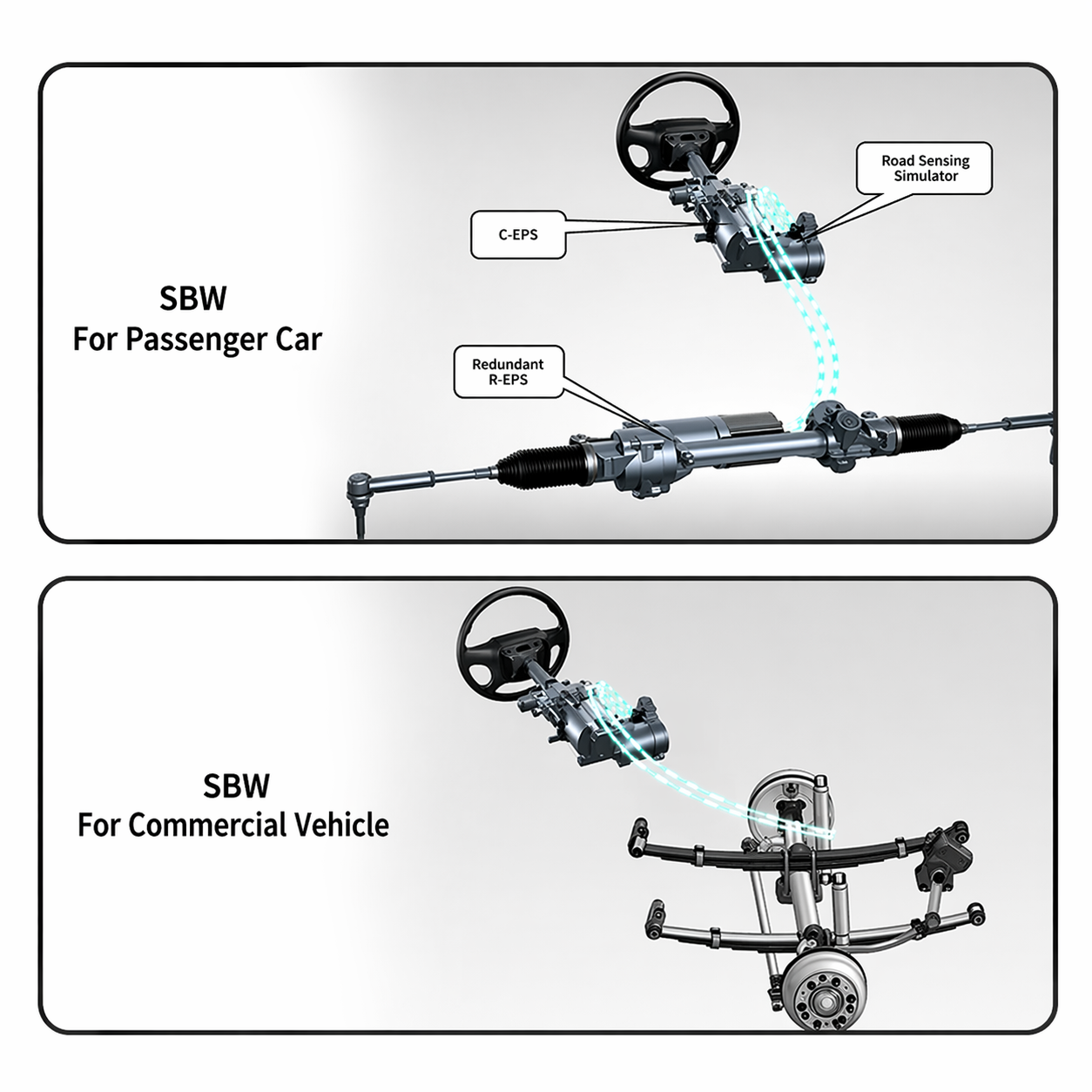
The transition to Electric Power Steering (EPS) directly addresses this inefficiency. Unlike hydraulic systems, EPS operates only when assistance is required, eliminating the need for a continuously running pump and thereby reducing parasitic losses. From an engineering standpoint, this represents a shift from continuous to demand-based energy consumption. Electric motors, governed by sensors and electronic control units, provide precise assistance based on parameters such as vehicle speed, steering angle and load conditions. While EPS initially gained widespread adoption in passenger vehicles, its growing relevance in commercial vehicles is now being driven by operational efficiency, reduced driver fatigue and improved controllability under varying load conditions.
In heavy-duty applications, EPS architectures vary between column-assist, pinion-assist and rack-assist configurations. Rack-assist systems, in particular, are better suited for higher axle loads due to their ability to deliver higher assist torque directly at the steering rack, making them more suitable for medium and heavy commercial vehicles.
In the Indian commercial vehicle segment, OEMs such as Tata Motors and Ashok Leyland are gradually aligning with this transition. Vehicles in the Tata Ultra platform, for example, demonstrate improved drivability and reduced steering effort, particularly in urban distribution applications where frequent manoeuvring is required.
Steer-by-Wire Shift
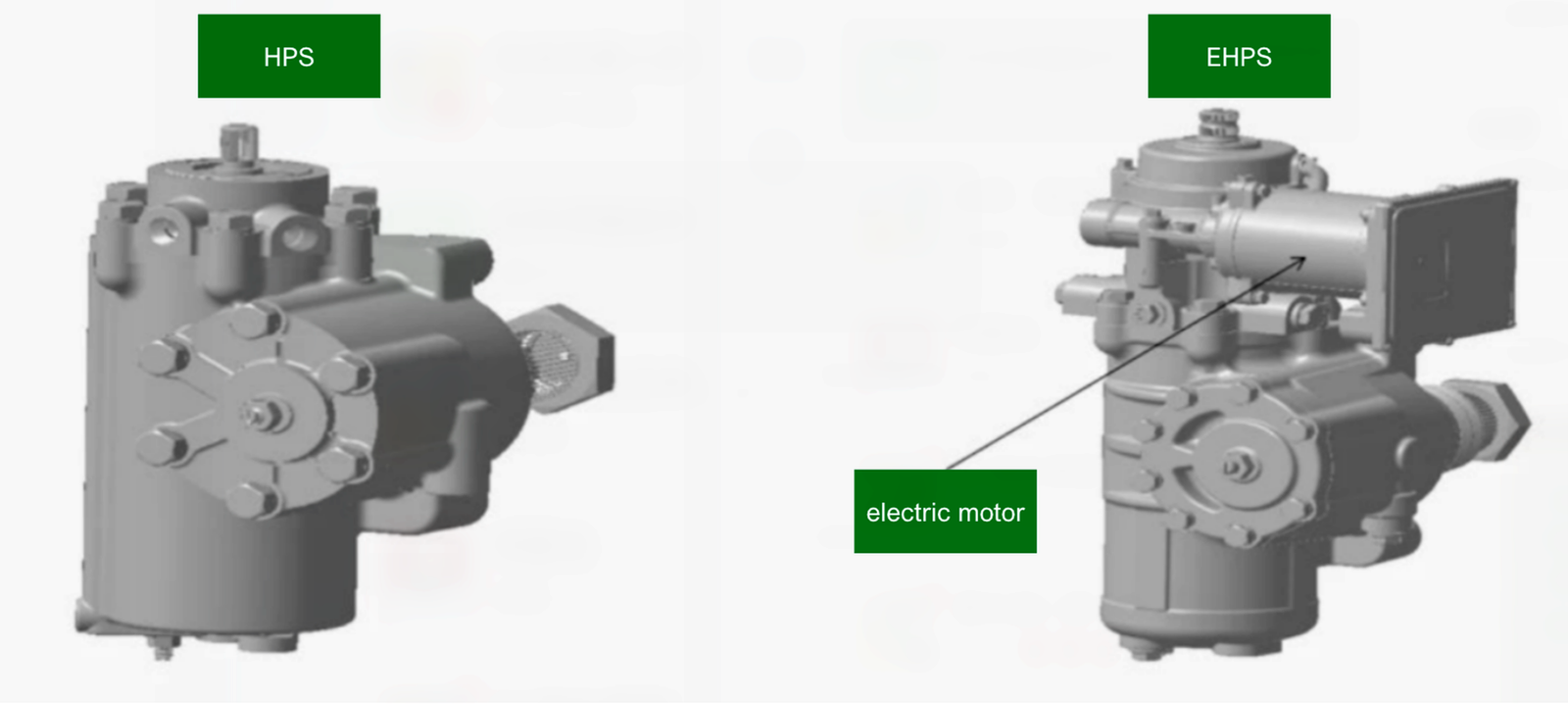
Building on electrification, steer-by-wire systems represent the next stage of transformation. By eliminating the mechanical linkage between the steering wheel and the wheels, these systems rely entirely on electronic signals and actuators. While steer-by-wire is currently more visible in passenger and autonomous vehicle applications, its long-term implications for commercial vehicles are significant. The ability to program steering characteristics based on vehicle speed, load and operating conditions opens up new possibilities for improving vehicle control and reducing driver workload.
Developments in adaptive safety systems further reinforce this transition, where, as Fabien Dumont of Autoliv explained, “automotive safety can no longer follow a one-size-fits-all approach,” indicating a move towards intelligent and adaptive steering systems capable of responding to different driving scenarios. Regulatory developments are also accelerating this shift. Recent updates in markets such as China now allow fully electronic steering systems without mandatory mechanical linkage, aligned with functional safety standards such as ISO 26262. This marks a significant turning point in the acceptance of fully electronic steering architectures.
System Integration
A key aspect of modern steering evolution is its integration with broader vehicle control systems. Steering is no longer an isolated function; it interacts closely with braking, driveline and electronic control architectures to optimise overall vehicle dynamics. This system-level integration is exemplified by approaches such as Vehicle Motion Management from Bosch, where steering, braking and powertrain systems are centrally coordinated. As Bosch leadership highlighted, “with steer-by-wire and brake-by-wire systems, we are unlocking new levels of design freedom and software-controlled vehicle dynamics,” underlining the importance of coordinated control in improving efficiency and stability. Such integration also reduces unnecessary steering corrections, improves vehicle stability and enhances energy efficiency, particularly in long-haul operations.
Global vs India
In global markets, structured traffic systems and high-quality road infrastructure enable steering systems to operate under predictable conditions. High adoption of EPS and ADAS ensures consistent performance and reduced driver fatigue. In contrast, Indian operating conditions present a far more demanding scenario. Mixed traffic patterns, uneven road quality and frequent stop-start operations significantly increase steering input frequency. In addition, inconsistent loading patterns further amplify system stress, making durability and reliability critical engineering considerations.
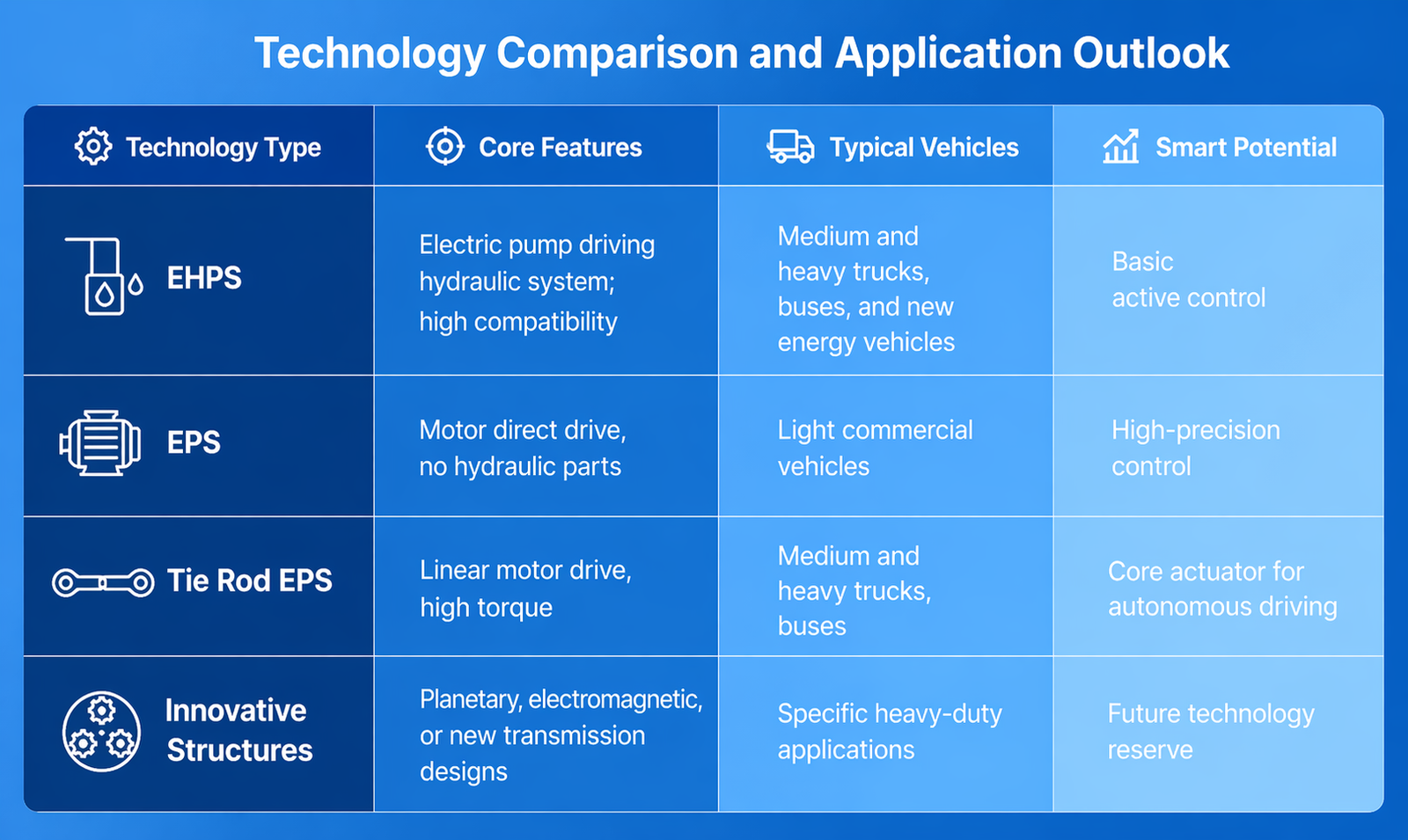
Technology Comparison
From a real-world perspective, intelligent steering systems reduce driver fatigue, improve vehicle stability and enhance overall drivability. Reduced steering corrections can also contribute to lower tyre wear and improved operational efficiency. However, these benefits are accompanied by practical challenges. Higher initial costs, increased electronic complexity and durability concerns in harsh operating environments remain key barriers, particularly in cost-sensitive fleet segments.
Modern steering systems combine mechanical robustness with electronic intelligence. Rack-and-pinion mechanisms, supported by electric motors, sensors and control units, enable adaptive steering behaviour based on real-time inputs. Advanced control strategies such as speed-sensitive assistance, load-adaptive response and predictive correction further enhance system performance, particularly in variable operating conditions.
To ensure reliability in Indian conditions, steering systems must be engineered for durability against dust, high temperatures and continuous vibration. Robust sealing, thermal management and fail-safe mechanisms are critical to maintaining performance. Steering systems are increasingly integrated with braking and driveline systems, enabling coordinated control of vehicle dynamics, improving stability and reducing energy losses. Steering systems in heavy-duty vehicles are evolving from simple mechanical linkages to intelligent, integrated control systems. While their contribution to fuel efficiency may appear incremental, their cumulative impact over long operational cycles is significant.