

India’s premier passenger mobility exhibition enters a new era as policy, products, technology and operators converge around a common goal, delivering safer, smarter and commercially sustainable public transportation, writes Ashish Bhatia with inputs from Upendra Kasbekar.
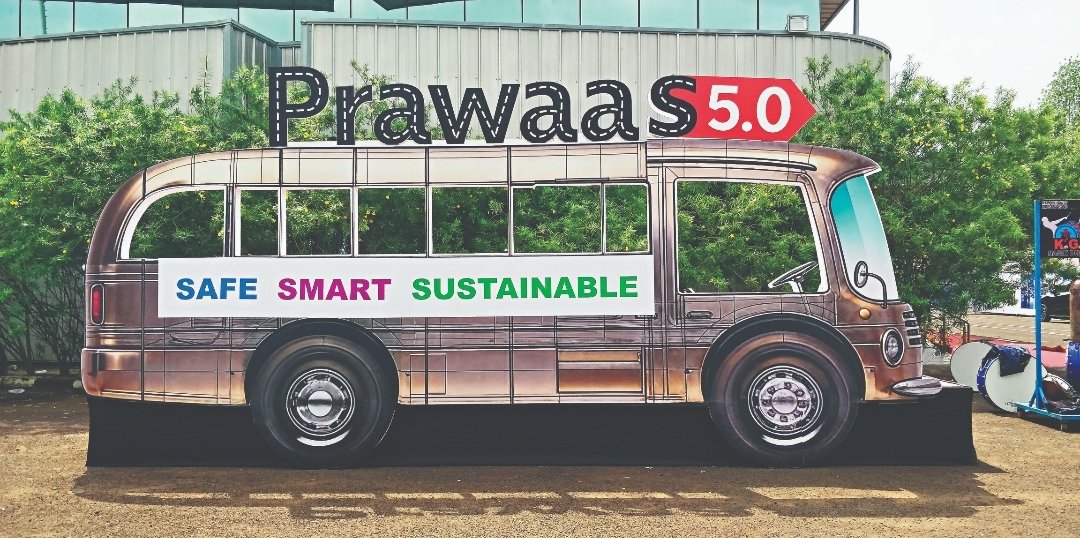
The fifth edition of Prawaas 5.0, organised by the Bus & Car Operators Confederation of India (BOCI) at the Helipad Exhibition Centre (HEC), Gandhinagar, marked a significant milestone in India’s passenger mobility journey. More than an exhibition of buses and mobility technologies, the event evolved into a collaborative platform where policymakers, Original Equipment Manufacturers (OEMs), body builders, technology providers, digital mobility platforms, fleet operators and component suppliers collectively deliberated on the future of public transport. The scale of participation, the diversity of product launches and the quality of discussions reflected an industry that is no longer responding to change but actively shaping it. While electrification, connectivity and premiumisation remained recurring themes across the exhibition halls, one message resonated above all others. India’s passenger transport ecosystem is becoming increasingly passenger-centric, with operator expectations setting new benchmarks for reliability, safety, comfort and profitability.
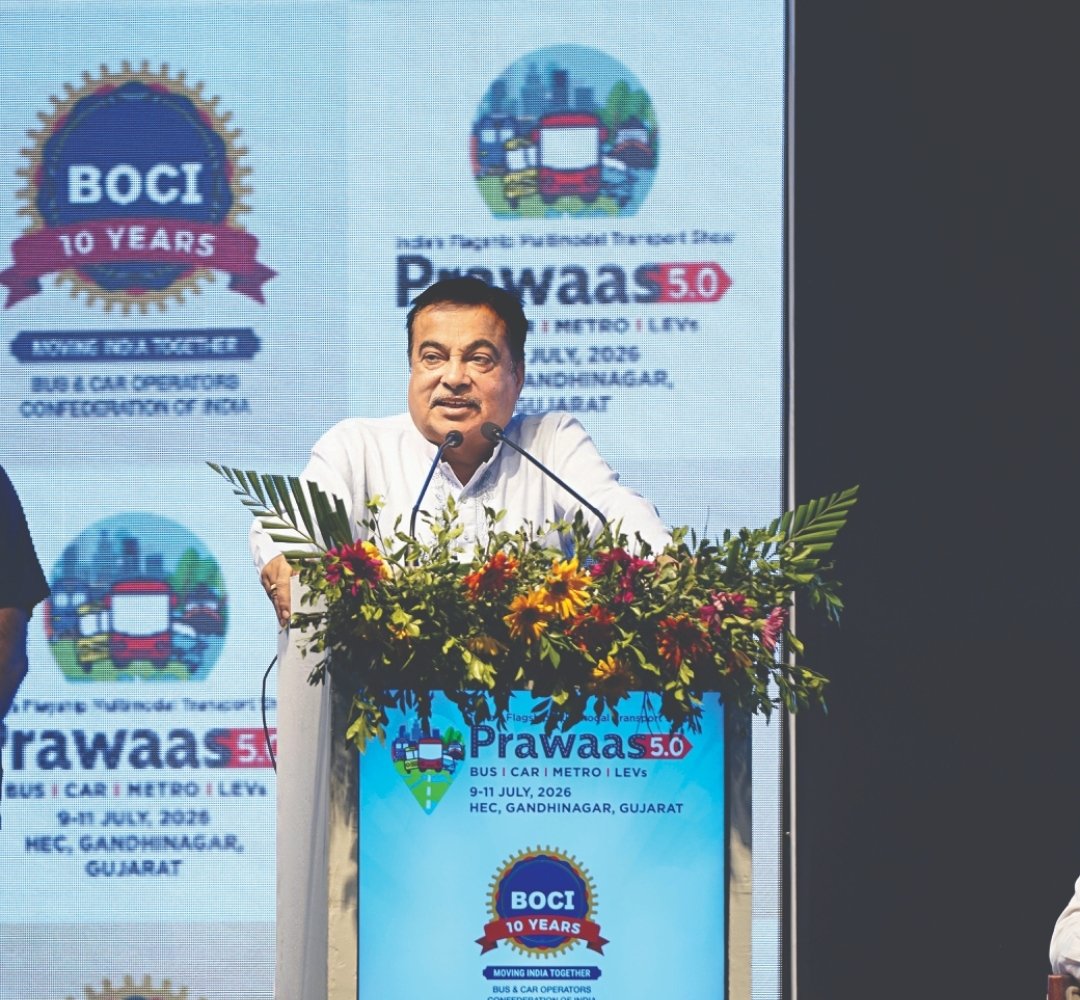
Nitin Gadkari, Union Minister for Road Transport & Highways.
The tone for the three-day event was set by Nitin Gadkari, Union Minister for Road Transport & Highways, who reiterated the Government’s commitment to accelerating the modernisation of India’s passenger transport ecosystem through world-class infrastructure, cleaner fuels and advanced mobility technologies. Stressing that roads alone cannot transform mobility, Gadkari underlined the need for efficient buses, alternative energy pathways like hydrogen, and greater public transport adoption to reduce congestion, lower logistics costs and improve quality of life. His address reinforced the importance of integrating policy support with industry innovation to make public transportation the preferred mode of travel rather than merely an alternative. This comes against the backdrop of the ecosystem weighing inflationary pressures and the future of fuel blends in CVs.
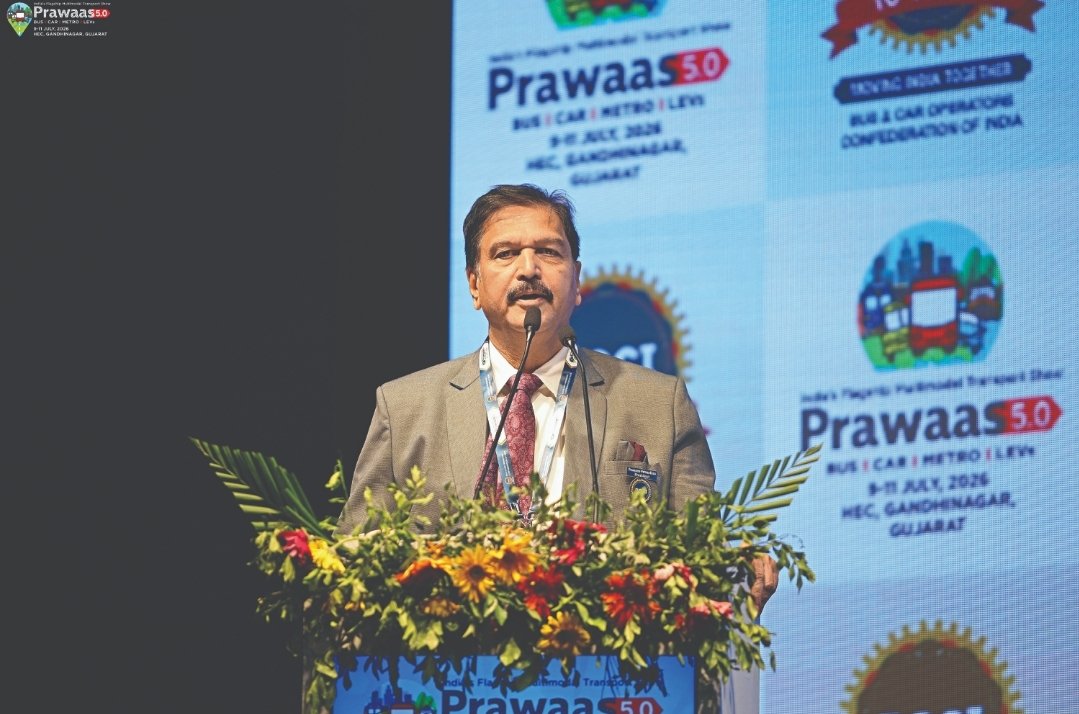
Prasnna Patwardhan, President, BOCI
Complementing this vision, Prasanna Patwardhan, President, Bus & Car Operators Confederation of India (BOCI), reflected on the remarkable evolution of India’s bus industry. He observed that there was a time when passengers were simply grateful to secure a seat on a bus. Today, however, expectations have fundamentally changed. Travellers increasingly demand predictable schedules, superior comfort, digital convenience, enhanced safety and an overall travel experience comparable to premium modes of transport. His remarks neatly encapsulated the transformation underway across the industry and served as the perfect prelude to one of the most engaging discussions at Prawaas 5.0.
Against this backdrop, the panel discussion, ‘Desh Ki Raftaar: Powering India’s Public Transport Transformation,’ moderated by Commercial Vehicle and Auto Components India Editor Ashish Bhatia, brought together representatives from every major stakeholder in the passenger mobility value chain. The distinguished panel featured Rakesh Kumar, Senior General Manager – Passenger Sales & Marketing, Tata Motors; Rohit Sharma, Chief Operating Officer, AbhiBus; Ashok Agarwal, Chief Executive Officer – Heavy Vehicles, Sun Mobility; Manoj Agarwala, Chief Business Officer, redBus; S.S. Gill, Chief Commercial Officer, VE Commercial Vehicles Ltd., (VECV) and Noel Anthony, Proprietor, Anthony & Sons Comfy Bus and Vice President – School Bus Operations, Mumbai Bus Malak Sanghatana.
Rather than beginning with discussions on electrification or technology, the session opened with a broader and far more relevant question: What should public transportation in India look like by 2035? That question shifted the conversation beyond individual products and business strategies towards a holistic vision of how every stakeholder could collectively improve the passenger experience.
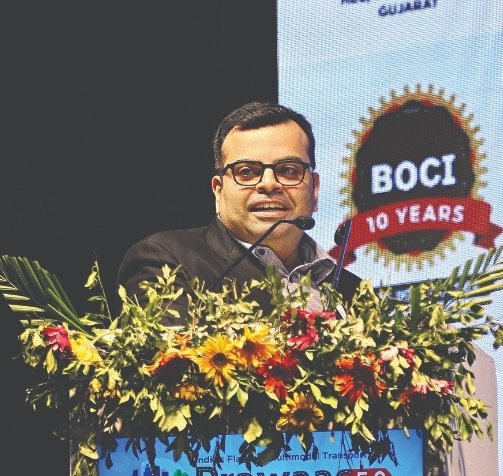
Ashish Bhatia, Editor, Commercial Vehicle Magazine & Auto Components India.
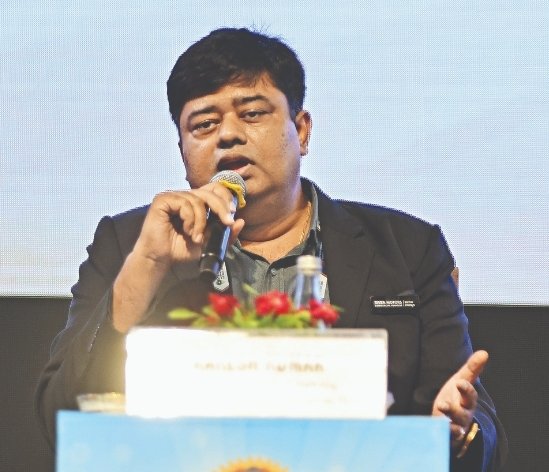
Rakesh Kumar, Sr.GM- Passenger Sales & Marketing, Passenger Business, Tata Motors Commercial Vehicles
Rakkesh Kumar set the tone by highlighting the immense growth potential of India’s bus sector. While India’s bus density remains significantly lower than global benchmarks, he argued that the next decade presents an unprecedented opportunity to bridge this gap. More importantly, he emphasised that comfort, predictability and dignity are no longer aspirational attributes but have become baseline expectations for modern passengers. From Tata Motors’ perspective, product development is increasingly driven by both operators and passengers, with the company benchmarking customer experience not against competing buses but against the aviation industry itself. As public transport becomes increasingly premium, manufacturers are simultaneously focusing on total cost of ownership, connected vehicle technologies and enhanced safety systems to ensure operators remain commercially viable.
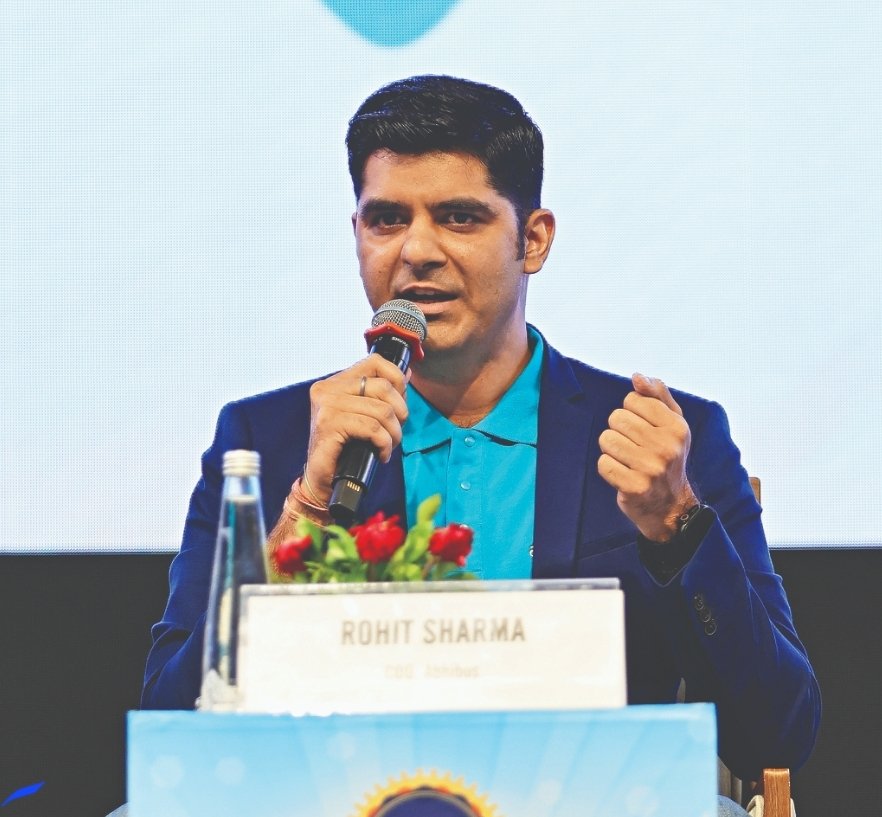
Rohit Sharma, COO, AbhiBus
Offering the perspective of India’s rapidly growing digital mobility ecosystem, Rohit Sharma highlighted a demographic shift that promises sustained demand for organised bus travel. Citing the rapid expansion of India’s affluent middle class, he observed that rising disposable incomes are creating a new category of travellers who increasingly view premium buses as an attractive alternative to expensive air travel. For digital platforms such as AbhiBus, technology is therefore moving beyond ticketing to building confidence through predictability. Features such as live bus tracking, virtual bus walkthroughs and enhanced passenger assurance are designed to eliminate uncertainty from the travel experience, making buses a more reliable and trustworthy mode of transport. Predictability, he suggested, is becoming just as important as comfort in attracting first-time and repeat passengers.
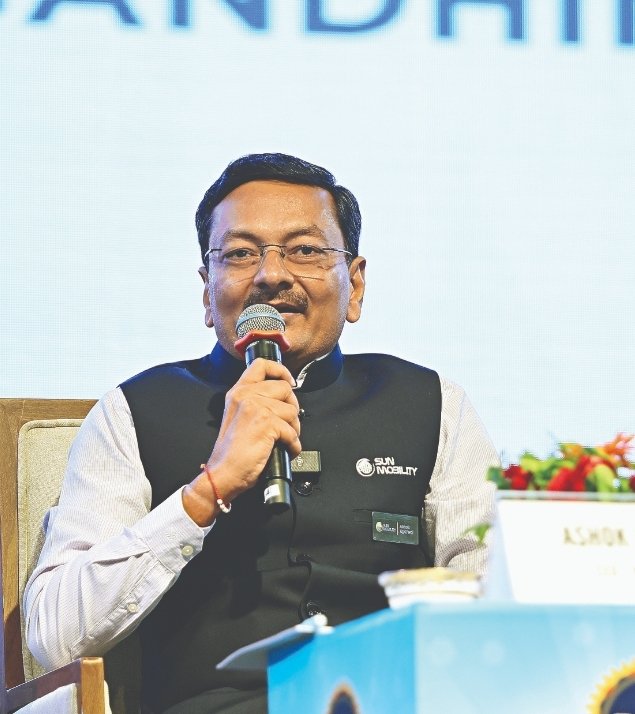
Ashok K. Agarwal, CEO- HEV, SUN Mobility
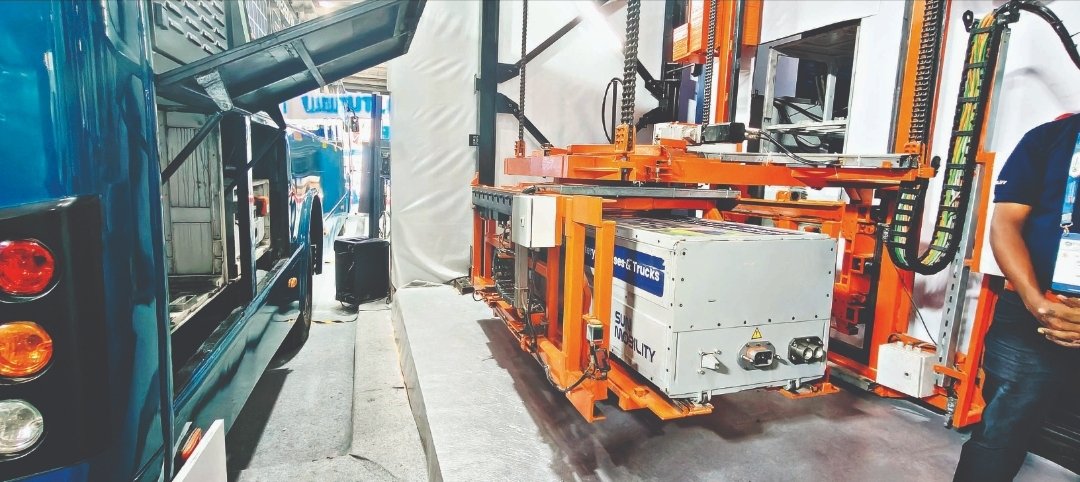
The conversation then shifted towards one of the industry’s biggest transformations—electrification. Ashok Agarwal explained how battery swapping is moving beyond two- and three-wheelers into the commercial vehicle space, addressing concerns around high acquisition costs, battery life and fleet utilisation. He revealed Sun Mobility’s partnership with Tata Motors to deploy battery-swappable electric staff buses, arguing that separating the battery from the vehicle fundamentally improves fleet economics by lowering upfront investment while eliminating concerns around battery degradation. Equally important, he stressed that the automotive industry is rapidly becoming software-driven, enabling predictive maintenance, advanced safety systems and intelligent fleet management that will collectively improve passenger experience while supporting India’s transition towards cleaner mobility.
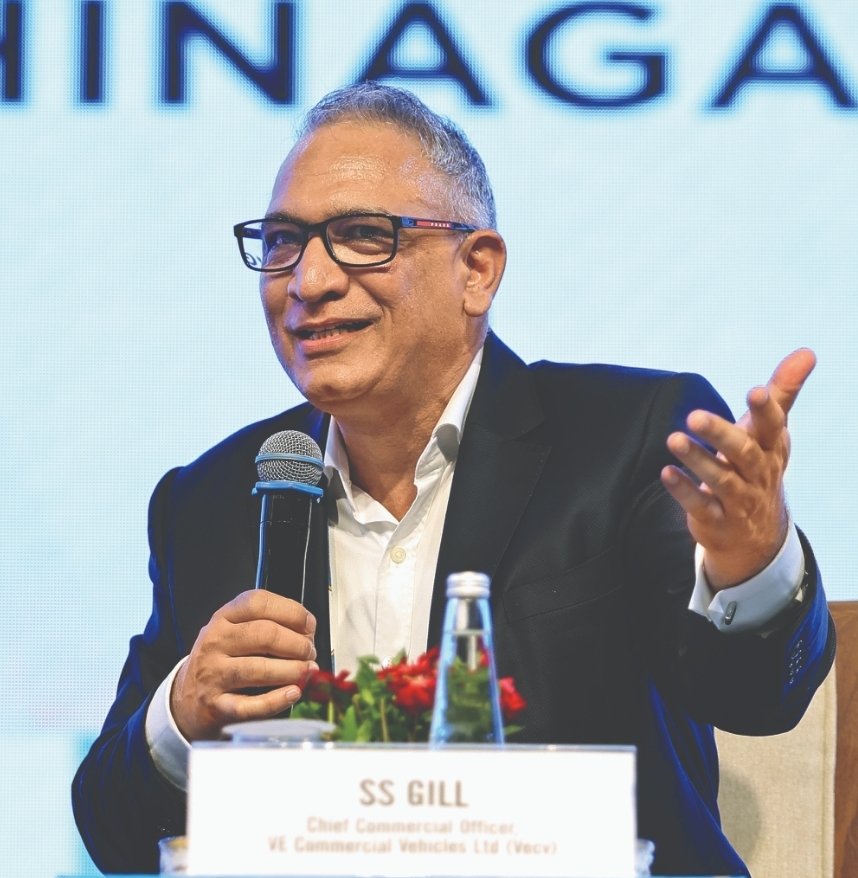
SS Gill, Chief Commercial Officer, VE Commercial Vehicles Ltd. (VECV)
From the OEM perspective, S.S. Gill emphasised that evolving passenger expectations are driving every aspect of vehicle development. Modern buses, he explained, are no longer judged solely on engine performance or fuel efficiency. Operators increasingly demand higher productivity, superior uptime, predictive diagnostics and faster service response, while passengers expect greater comfort, seamless connectivity and uncompromising safety. Drawing upon VE Commercial Vehicles’ association with the Volvo Group, Gill highlighted how global best practices in safety, connected technologies and lifecycle support are being adapted for Indian operating conditions. The objective is no longer just to build better buses, but to create integrated mobility solutions that maximise fleet productivity while enhancing passenger satisfaction.
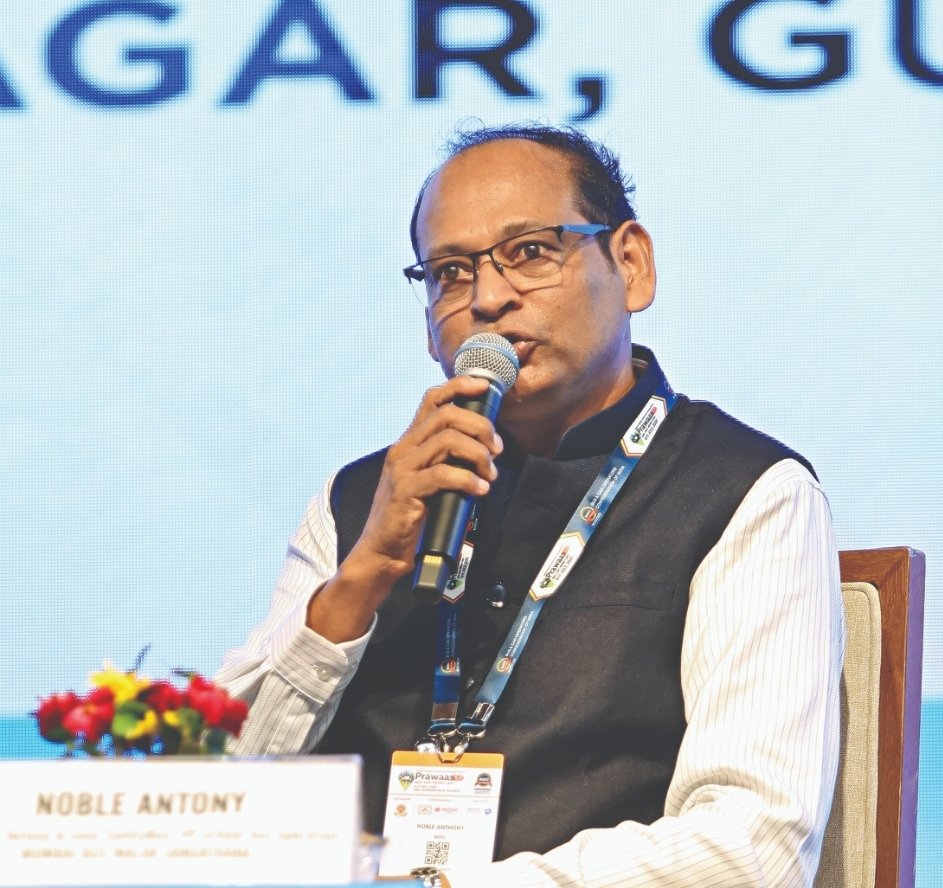
Nobel Antony, Proprietor Antony & sons ComfyBus
Perhaps the most candid intervention came from Nobel Anthony, who represented the operator community. While acknowledging the tremendous progress in infrastructure and vehicle technology over the past decade, he reminded the audience that passenger experience ultimately depends on operational reliability. Frequent breakdowns, inconsistent after-sales support and inadequate roadside infrastructure continue to affect long-distance operations, directly influencing passenger perception. Anthony also highlighted the industry’s acute driver shortage and called for structured driver training programmes involving OEMs and government agencies. Better vehicles, he argued, must be complemented by better-trained people, improved infrastructure and stronger service support if operators are to consistently deliver the premium travel experience modern passengers expect.
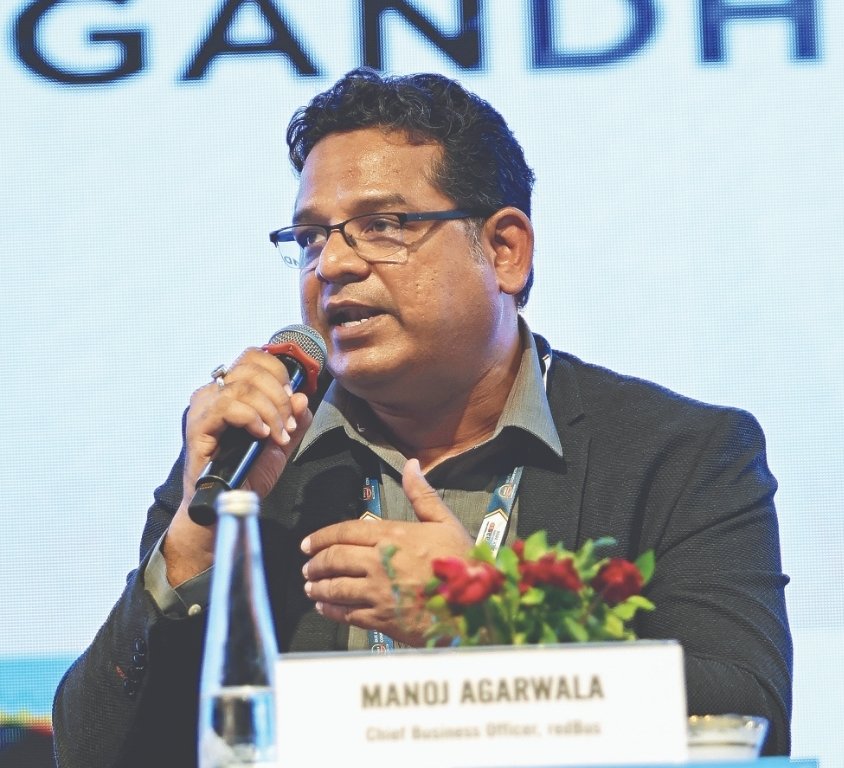
Manoj Agarwal, Chief Business Officer, redbus
Data analytics emerged as another powerful enabler during the discussion. Manoj Agarwala explained how RedBus analyses millions of passenger interactions to better understand evolving customer expectations. According to him, passenger comfort is no longer simply a service differentiator; it is directly linked to profitability. Routes delivering higher levels of comfort consistently command premium pricing, demonstrating that customers are willing to pay for better experiences. At the same time, he emphasised that safety extends beyond vehicle specifications to include staff preparedness, emergency protocols and operational discipline. Data-driven insights, therefore, are enabling operators to optimise not only pricing and route planning but also the overall passenger journey.
As the discussion progressed, a common thread emerged across every stakeholder. Whether representing vehicle manufacturers, technology providers, aggregators or operators, each panellist ultimately returned to the same objective, making public transportation a mode that people choose, rather than one they are compelled to use. This subtle yet significant shift reflects the maturity of India’s passenger transport ecosystem. Comfort, safety, connectivity, sustainability and profitability are no longer independent priorities. They are increasingly interconnected components of a successful mobility ecosystem.
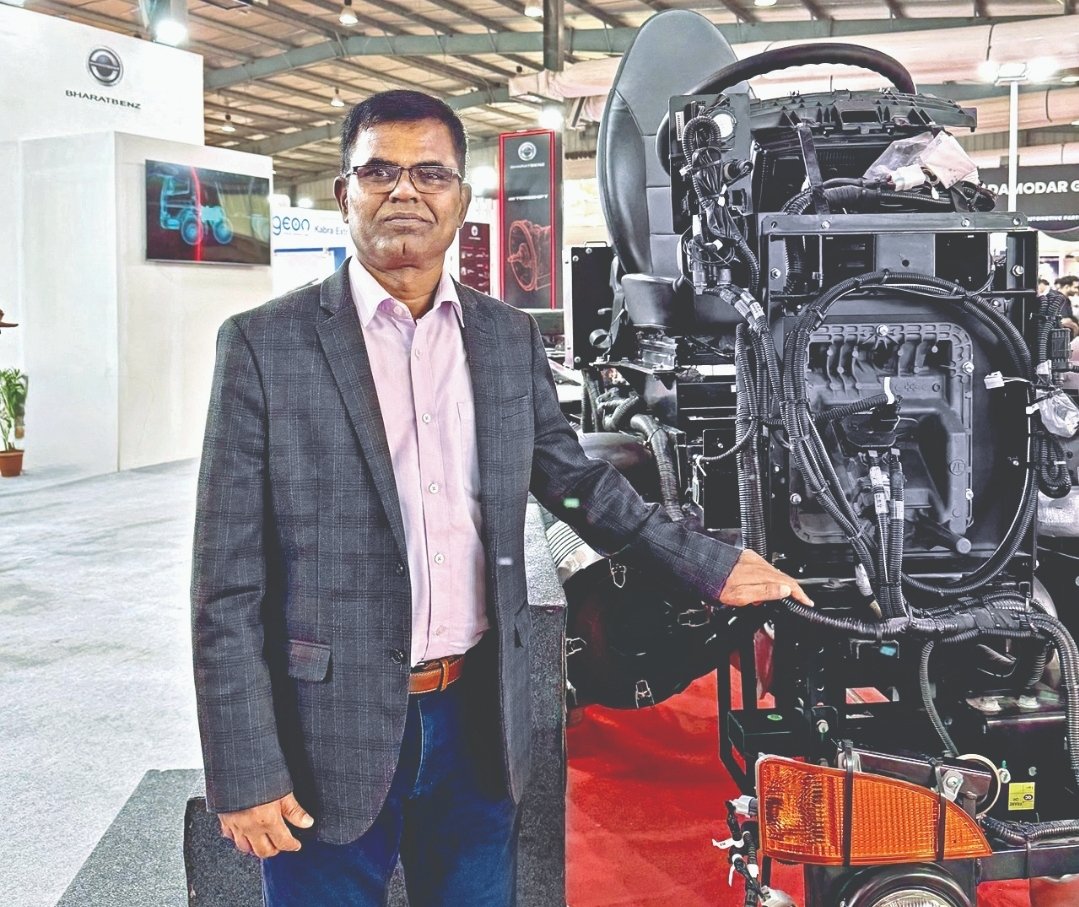
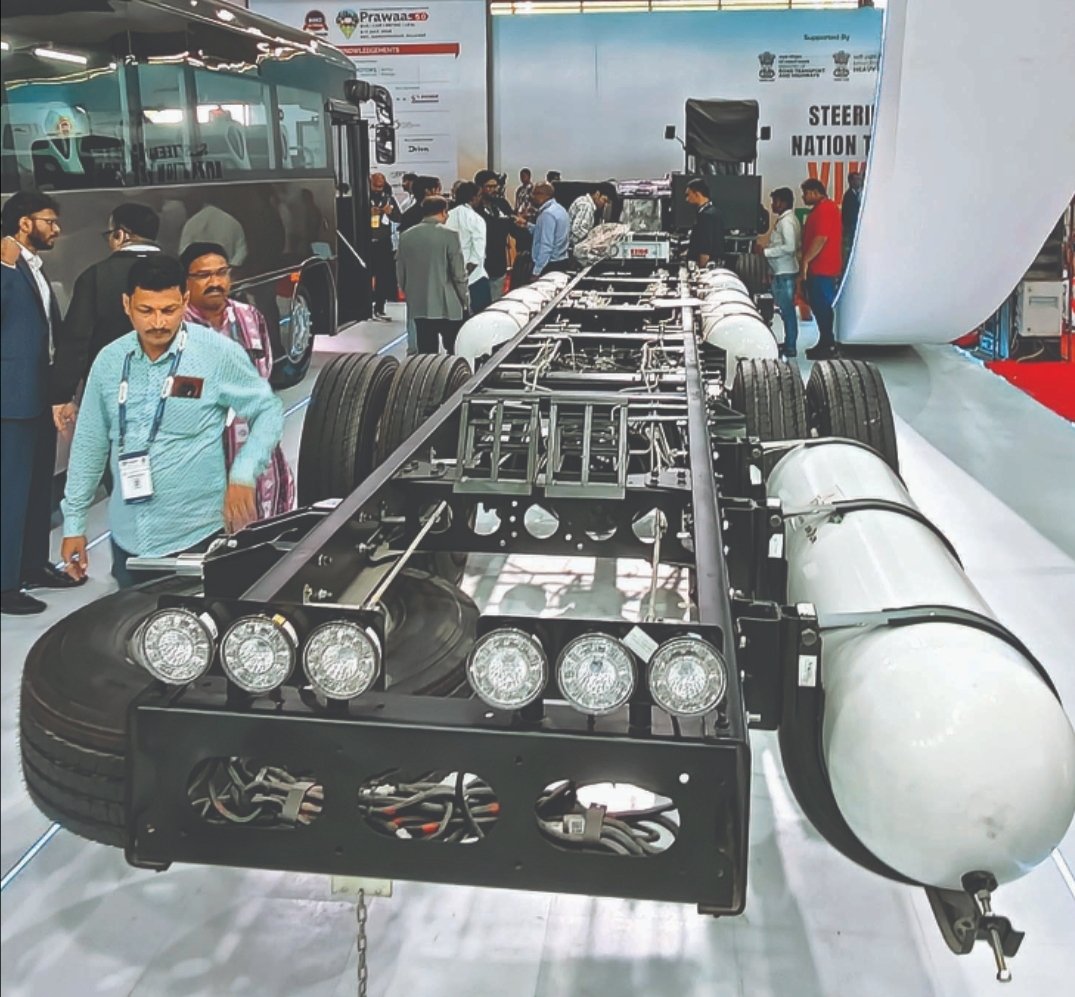
Andamuthu Ponnusamy, Head of Bus Business, Daimler India Commercial Vehicles with the BharatBenz Torqshift (AMT) 1926 Heavy duty Chassis for intercity and staff applications.
That philosophy was also evident across the exhibition floor. Tata Motors showcased its next-generation Prime range, EKA Mobility expanded its electric bus portfolio, Switch Mobility unveiled the EiV9, JBM Electric Vehicles introduced the next-generation GALAXY electric luxury coach, while companies such as Sun Mobility demonstrated how charging and battery-swapping infrastructure is becoming an integral part of future fleet operations. Coach builders, component manufacturers, digital platforms and fleet operators similarly presented innovations focused on enhancing passenger comfort, operational efficiency and lifecycle value rather than merely adding features. If earlier editions of Prawaas primarily showcased products, Prawaas 5.0 demonstrated the emergence of a truly integrated passenger mobility ecosystem. The conversations extended well beyond buses to encompass energy infrastructure, software, predictive analytics, digital ticketing, fleet intelligence, driver development and customer experience. The exhibition reflected an industry increasingly aligned around the belief that sustainable growth will not be achieved through technology alone but through collaboration across the entire value chain.
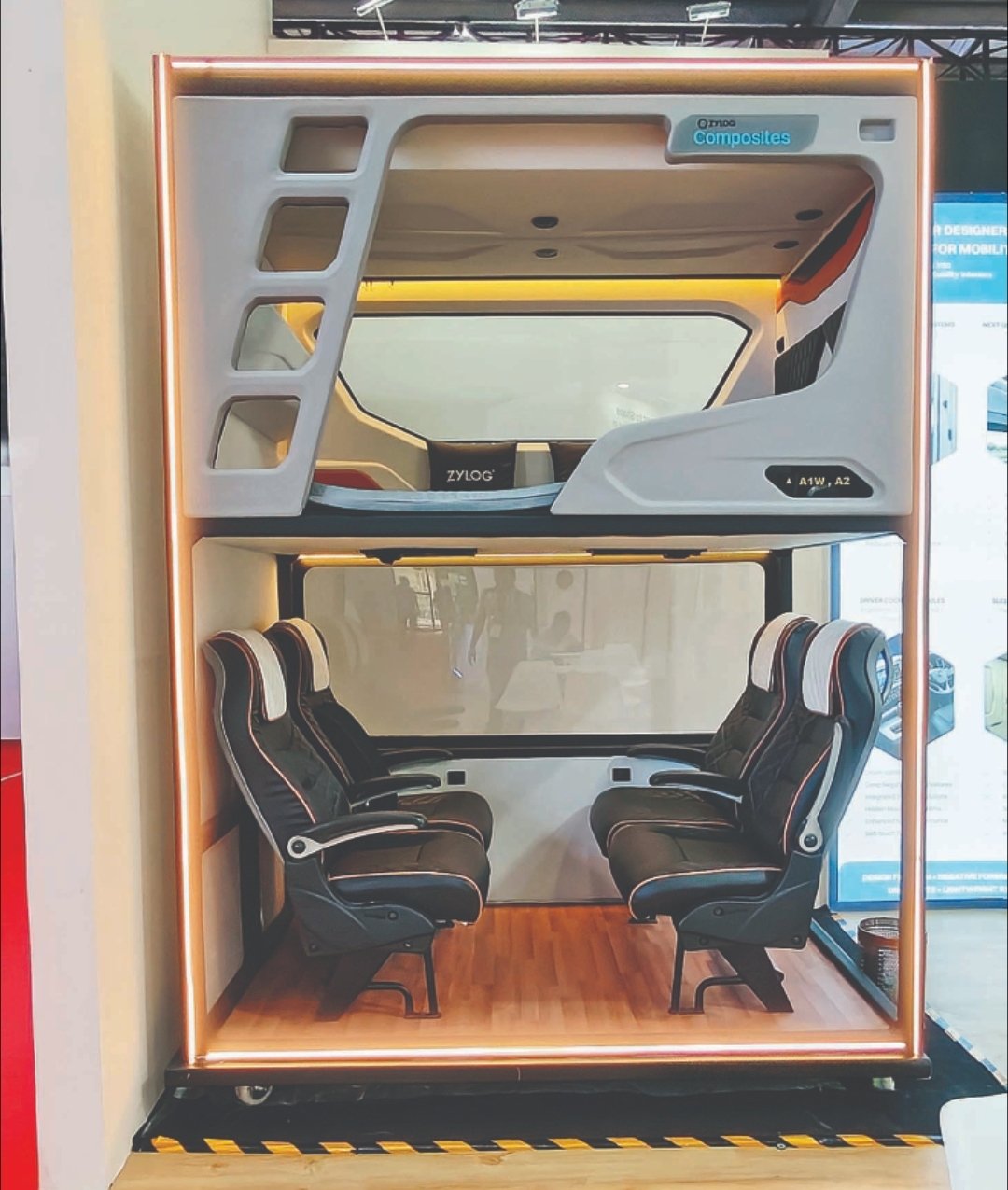
Zylog Composites showcased innovative, lightweight thermoplastic interior Solutions
As the session concluded, one thought lingered long after the applause had faded. When asked where India’s public transportation would stand by 2035, none of the panellists pointed solely towards electric buses, hydrogen, battery swapping or autonomous technologies. Instead, they collectively described a future where public transport is defined by reliability, dignity, convenience, safety and commercial sustainability. The expectations of operators have undoubtedly risen but more importantly, so too have the expectations of passengers. Meeting both may well determine the next chapter of India’s public transportation story.
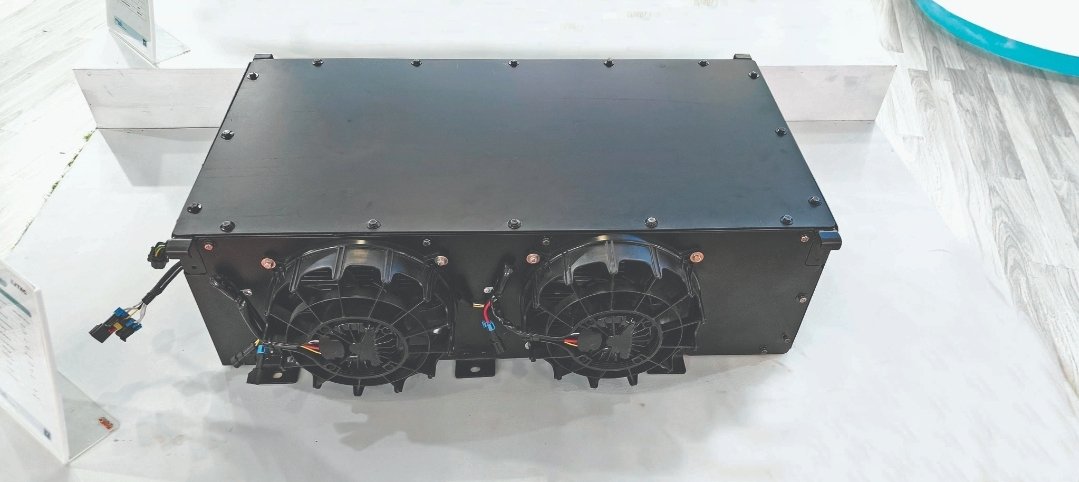
Battery Chiller for EV Roof/ Skirt Mounted.
Prime Time For Passenger Mobility
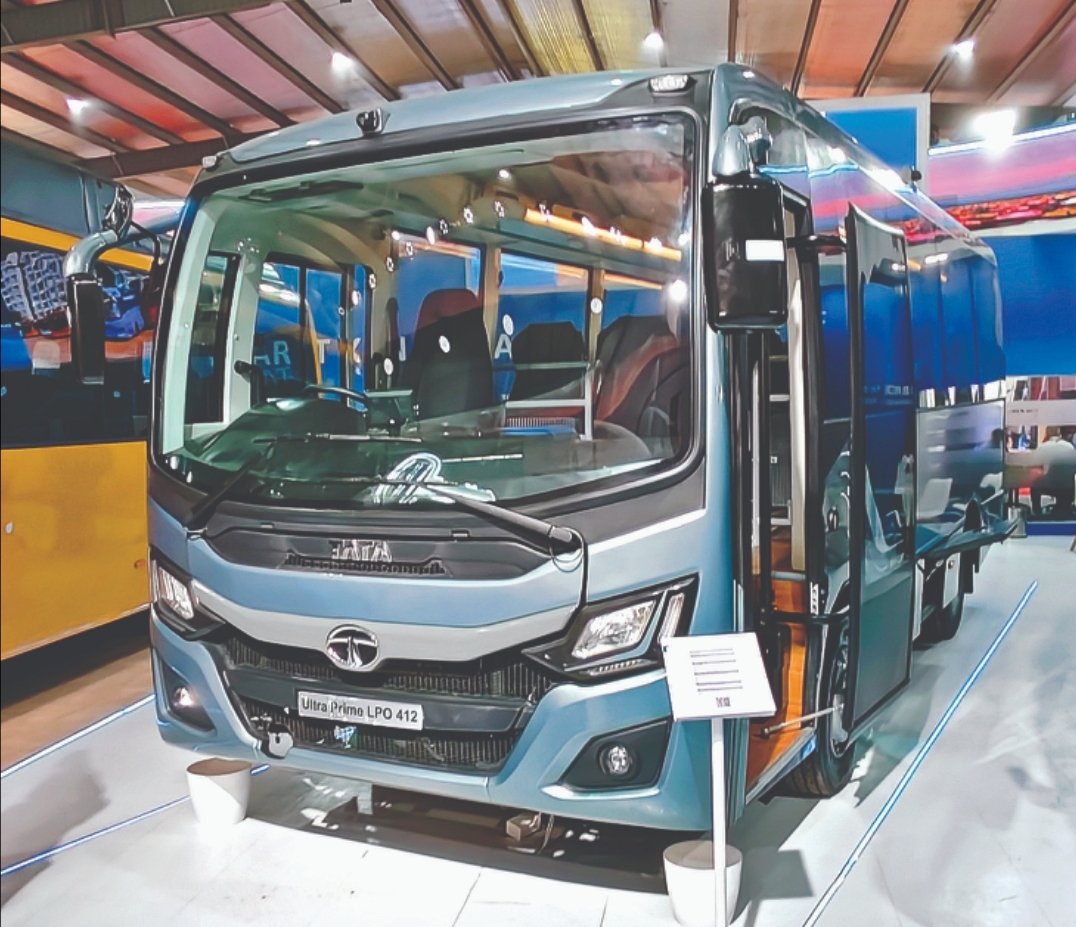
Tata Motors delivered the most comprehensive passenger mobility showcase at Prawaas 5.0, unveiling the all-new Ultra Prime and Starbus Prime bus range while displaying the LPO 1620 CNG, Ultra Prime LPO 412, Ultra Skool 9/9 EV, Magic EV, Winger Plus and the Ultra Prime RE Concept, covering applications spanning school, staff, tourism, intercity, intracity, institutional and last-mile transportation. The new Prime range introduces refreshed styling, redesigned interiors, improved ride quality, reduced Noise, Vibration and Harshness (NVH) levels and an enhanced passenger experience, while integrating 29 advanced safety features including Driver Monitoring System (DMS), 360-degree camera, Intelligent Transport System (ITS) and Reverse Parking Assistance System (RPAS). The Ultra Skool 9/9 EV, a dedicated platform built ground up to meet the needs of Neurodivergent kids of KIIT Odisha, showcased Tata Motors’ continued focus on dedicated electric school mobility, including the thoughtfully built neurodivergent-friendly interior theme. At the same time, the Ultra Prime RE Concept signalled the company’s future direction for urban bus operations. Together with the CNG-powered LPO 1620 and zero-emission Magic EV, the display underscored Tata Motors’ multi-energy strategy, complemented by Fleet Edge connectivity and Sampoorna Seva 2.0 support, reinforcing its ambition to offer an integrated passenger mobility ecosystem centred on safety, operational efficiency, uptime and lower total cost of ownership across virtually every people-mover application.
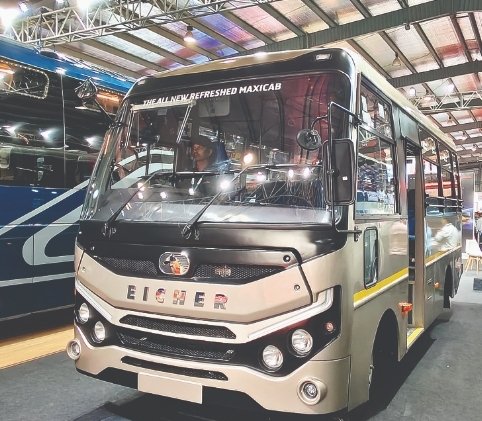
Maxicab 2055 Drives VECV’s Passenger Mobility Expansion
VE Commercial Vehicles (VECV) used Prawaas 5.0 to underline its growing passenger mobility ambitions with the Eicher Maxicab 2055 taking centre stage alongside its established Skyline bus and coach portfolio. Positioned for school, staff, institutional and feeder transport applications, the Maxicab 2055 represents Eicher’s renewed focus on the light and mid-size passenger carrier segment, combining contemporary styling, improved cabin ergonomics and enhanced passenger comfort with the reliability and low operating costs that have traditionally defined the brand. The broader display with the new Volvo 9600 coach with state-of-the-art interiors, including a loo and a refrigerator, and hybrid seating (Sleeper berths + seater) reflected VECV’s strategy of offering mobility solutions across multiple applications, supported by connected vehicle technologies, nationwide service reach and a strong emphasis on uptime and lifecycle support. The company also highlighted its collaboration with operators to develop premium intra-city mobility solutions, signalling its intent to expand beyond conventional bus operations into organised people movement. By combining purpose-built passenger products, a comprehensive aftersales ecosystem and Volvo Group engineering expertise, VECV demonstrated its commitment to strengthening its presence across India’s evolving passenger transport landscape while addressing fleet operators’ increasing focus on productivity, safety, comfort and lower total cost of ownership.
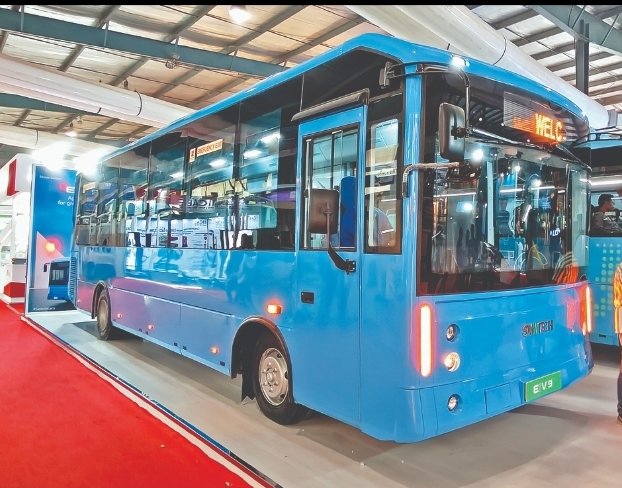
EIV9 DEBUT STRENGTHENS SWITCH MOBILITY’S ELECTRIC BUS PORTFOLIO
Switch Mobility used Prawaas 5.0 to unveil the all-new Switch EiV9, expanding its electric bus portfolio while also showcasing the updated EiV12 Intercity, reflecting the company’s strategy of addressing a wider spectrum of passenger transport applications. Developed on a new-generation nine-metre platform, the EiV9 is aimed at city operations, employee transportation and school mobility, combining lightweight construction, regenerative braking, multiple battery options and advanced safety systems to improve operating efficiency and reduce lifecycle costs. The refreshed EiV12 Intercity, meanwhile, targets longer-distance passenger services with enhancements focused on comfort, range and operator productivity. Together, the two products highlighted Switch Mobility’s intent to offer purpose-built electric buses rather than adapting a single platform across multiple applications.
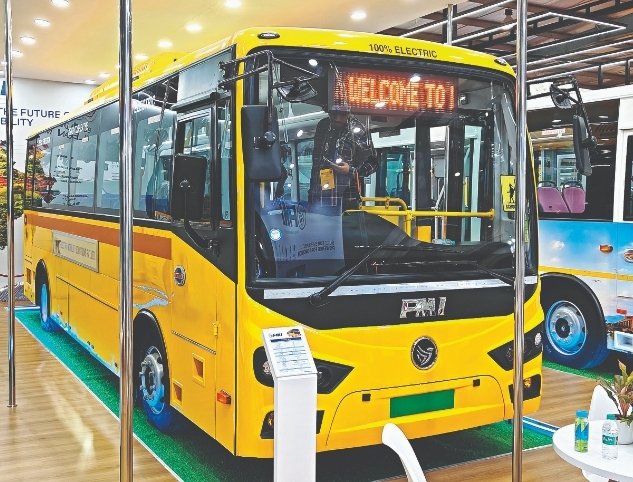
PURPOSE- BUILT ELECTRIC SCHOOL BUS HEADLINES PMI’S SHOWCASE
PMI Electro Mobility showcased its expanding electric passenger transport portfolio at Prawaas 5.0 with the debut of a purpose-built electric school bus, while reinforcing its strong presence in the employee transportation and staff mobility segment through its established range of electric buses. Designed with a dedicated body structure, wide passenger access, enhanced visibility, child-friendly interiors and integrated safety systems, the school bus reflects the company’s focus on safer, purpose-built student transportation. Alongside it, PMI highlighted its nine-metre and 12 m electric buses that are increasingly deployed for employee shuttles, corporate transport, airport connectivity and State Transport Undertaking (STU) operations, demonstrating the versatility of its platform across multiple applications.
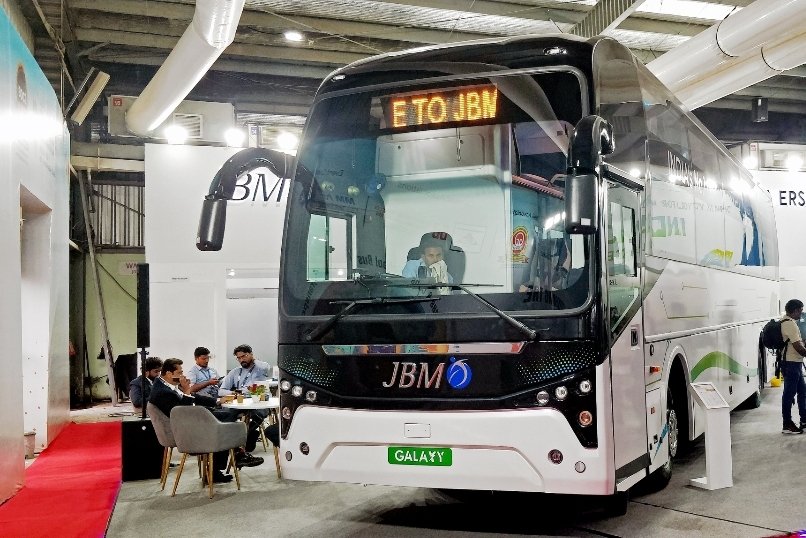
NEXT-GEN GALAXY DRIVES JBM’S PREMIUM ELECTRIC COACH VISION
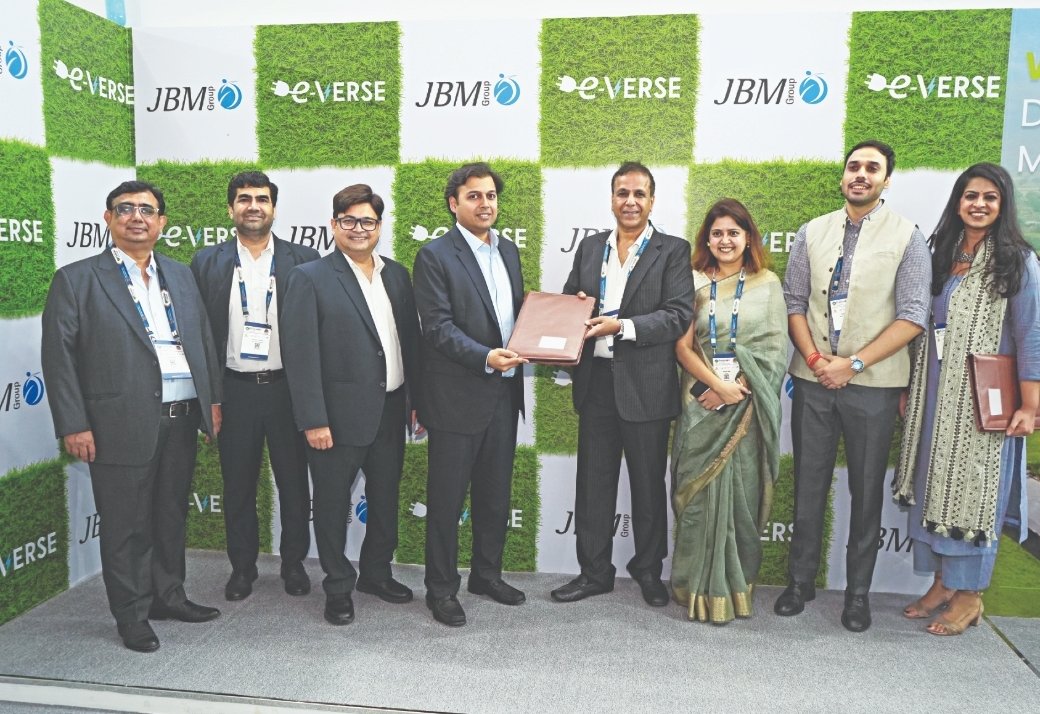
JBM Electric Vehicles (JBM EV) unveiled the next-generation Galaxy electric luxury coach at Prawaas 5.0, expanding its premium intercity mobility portfolio with a product that blends passenger comfort, operator profitability and zero-emission transportation. Available in seater, sleeper and seater-cum-sleeper configurations, the new GALAXY offers up to 22 Maharaja reclining seats with 20 sleeper berths and an onboard washroom, or 24 reclining seats with 20 sleeper berths, delivering one of the highest passenger and luggage carrying capacities in its class. Styled with a European-inspired design language, the coach features panoramic windows, individual air-conditioning vents, USB charging ports, generous head and leg room, kneeling and height adjustment functions, electronically controlled air suspension and a comprehensive safety package comprising Advanced Driver Assistance Systems (ADAS), Electronic Braking System (EBS), Anti-lock Braking System (ABS), hill-hold assist, live surveillance cameras and emergency exits.
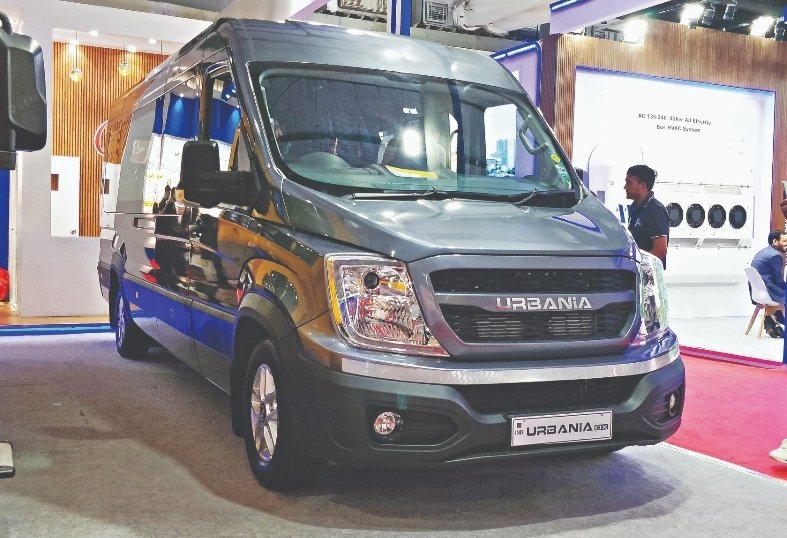
URBANIA DELUXE RAISES THE BAR
Force Motors showcased the Urbania Deluxe at Prawaas 5.0, reinforcing its premium people-mover proposition for staff transportation, luxury employee commute, airport transfers, tourism and institutional mobility. Building on the Urbania platform, the Deluxe variant introduces a series of thoughtful passenger-centric enhancements, including a retractable electric side step that significantly improves ingress and egress, particularly for elderly passengers and corporate shuttle users. The cabin has also been refined with repositioned speakers for a more immersive audio experience and an integrated dashboard design that lends the cockpit a cleaner, more contemporary appearance while improving ergonomics for the driver. Combined with its spacious monocoque construction, generous headroom, panoramic glazing and refined Noise, Vibration and Harshness (NVH) characteristics, the Urbania Deluxe offers a car-like travel experience within a commercial vehicle package.
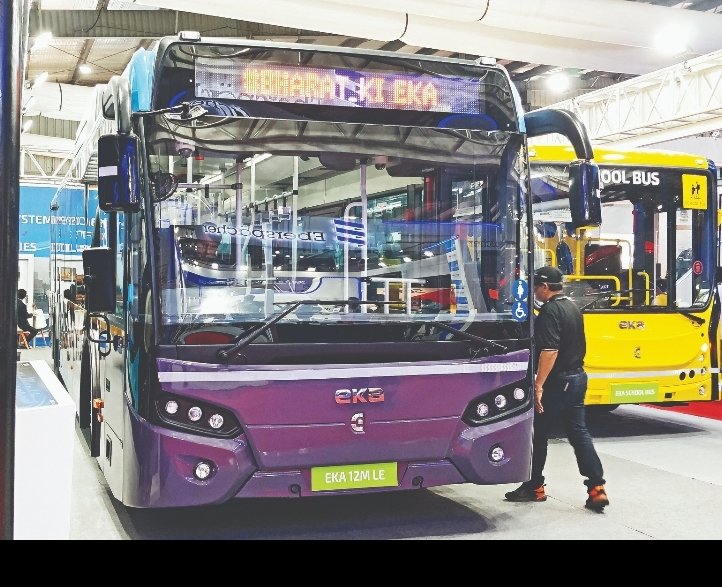
EKA MOBILITY REINFORCES ITS ELECTRIC BUS AMBITION
EKA Mobility presented one of the most diverse electric mobility displays at Prawaas 5.0, unveiling its new EKA 9M Electric School Bus alongside the EKA Coach, EKA 12M Low Entry Electric Bus, and the EKA 3S and EKA 6S electric vehicles, demonstrating solutions spanning intercity coach operations, urban public transport, institutional mobility and last-mile passenger movement. The purpose-built school bus, developed on the company’s lightweight monocoque platform, accommodates up to 43 passengers and features an Electronic Braking System (EBS), Electronic Stability Control (ESC), air suspension and 100 kWh or 200 kWh Lithium Iron Phosphate (LFP) battery options with a claimed driving range of up to 180 km. Complementing it, the EKA Coach targets premium long-distance operations, while the 12M Low Entry Electric Bus addresses accessible city transit through a low-floor architecture. The inclusion of the compact 3S and 6S vehicles further broadened the company’s electric mobility ecosystem beyond conventional buses. The company apprised of the augmented plant capacity, and in the pipeline electric coach, articulated bus, and a double-decker foray.
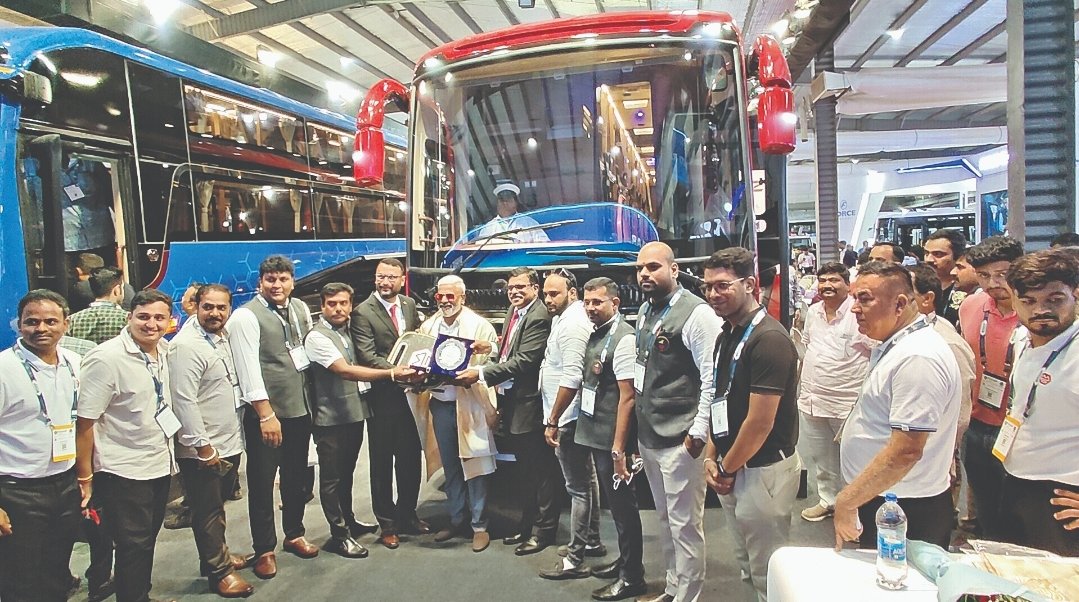
STARZ DEBUT MARKS MG GROUP’S NEW CHAPTER
MG Group used Prawaas 5.0 to unveil the all-new Starz premium coach platform, signalling its evolution from an established contract bus body builder to a front-facing coach brand. Developed for intercity travel, staff transportation and tourism, the Starz combines contemporary styling with an emphasis on passenger comfort, safety and operational efficiency, while being engineered to support both conventional diesel and alternate-fuel powertrains. Built on decades of coach-building expertise, the platform reflects MG Group’s vertically integrated capabilities spanning design, prototyping, composites, interiors, electrical integration and manufacturing. The company highlighted its focus on delivering compliant, premium fit and finish, structural integrity and lower lifecycle costs for fleet operators, while leveraging its manufacturing facilities at Belagavi and Zaheerabad to cater to diverse passenger mobility applications. The unveiling also received an encouraging market response, with the company announcing initial orders during the exhibition, underlining customer confidence in the new platform.
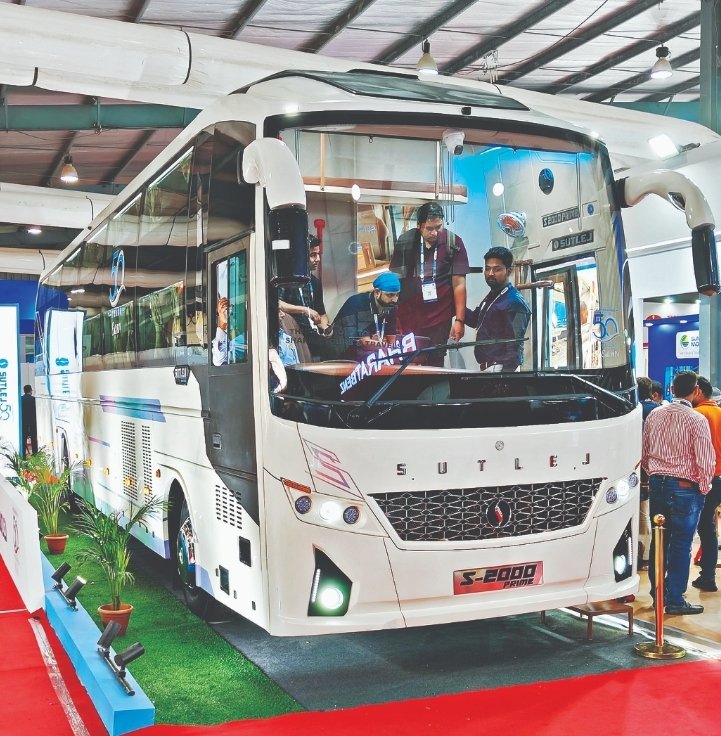
S- 2000 PRIME HIGHLIGHTS SUTLEJ’S PRIMIUM COACH EXPERTISE
Sutlej Coach Builders showcased the S-2000 Prime at Prawaas 5.0, reinforcing its position in India’s premium coach segment with a product designed for intercity, staff transportation and tourism applications. Built on the BharatBenz 1824 chassis equipped with an Automated Manual Transmission (AMT), the coach combines contemporary styling with an emphasis on passenger comfort, safety and operational efficiency. The S-2000 Prime features a lightweight yet robust body structure, ergonomic reclining seats, premium interior trims, optimised luggage capacity and integrated air-conditioning, complemented by enhanced Noise, Vibration and Harshness (NVH) characteristics for a refined travel experience. Sutlej also highlighted its focus on engineering precision, digital manufacturing processes and stringent quality control, enabling faster production cycles without compromising build standards.
LAVIE + DEMONSTRATES SYNATY’S MODULAR APPROACH
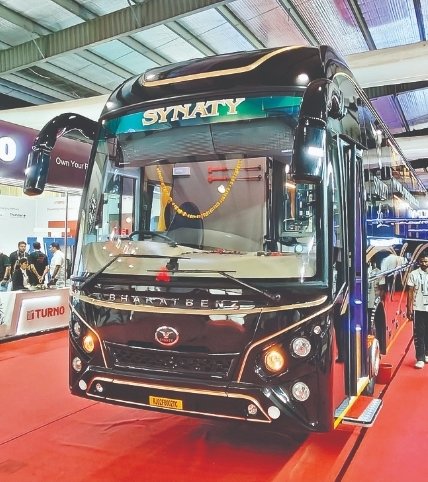
Synaty Automotive showcased its Lavie+ modular passenger vehicle platform at Prawaas 5.0, highlighting a flexible approach to serving the evolving needs of urban, institutional and shared mobility. Designed to support multiple passenger applications from staff transportation and shuttle services to feeder and last-mile operations, the platform reflects the company’s emphasis on lightweight engineering, modular construction and application-specific customisation. Synaty also used the exhibition to demonstrate its in-house capabilities across design, body engineering, assembly and quality assurance, enabling quicker development cycles (an assured 45-day delivery timeline) and tailored solutions for fleet operators. The company highlighted its scalable manufacturing model, which allows customers to configure vehicles to suit varying operational requirements while maintaining consistent build quality and reduced lifecycle costs.
PURPLE DRIVE N SHOWCASES PREMIUM E- MOBILITY SERVICES
Purple Drive N used Prawaas 5.0 to highlight its growing role as an integrated electric mobility operator, showcasing its capabilities across employee transportation, airport transfers, corporate mobility and premium passenger services. Rather than focusing on vehicle manufacturing, the company demonstrated how electric mobility can be successfully deployed through a technology-enabled operating model that combines electric buses and premium passenger vehicles with intelligent fleet management, real-time monitoring and customer-centric service delivery. Its presence reflected the increasing shift among corporates and institutions towards sustainable mobility solutions that deliver lower emissions without compromising on reliability, passenger comfort or operational efficiency. Purple Drive N also emphasised the importance of charging infrastructure, predictive maintenance and data-driven fleet optimisation in ensuring high vehicle utilisation and consistent service quality.
NEOLITE ZKW LIGHTINGS LTD
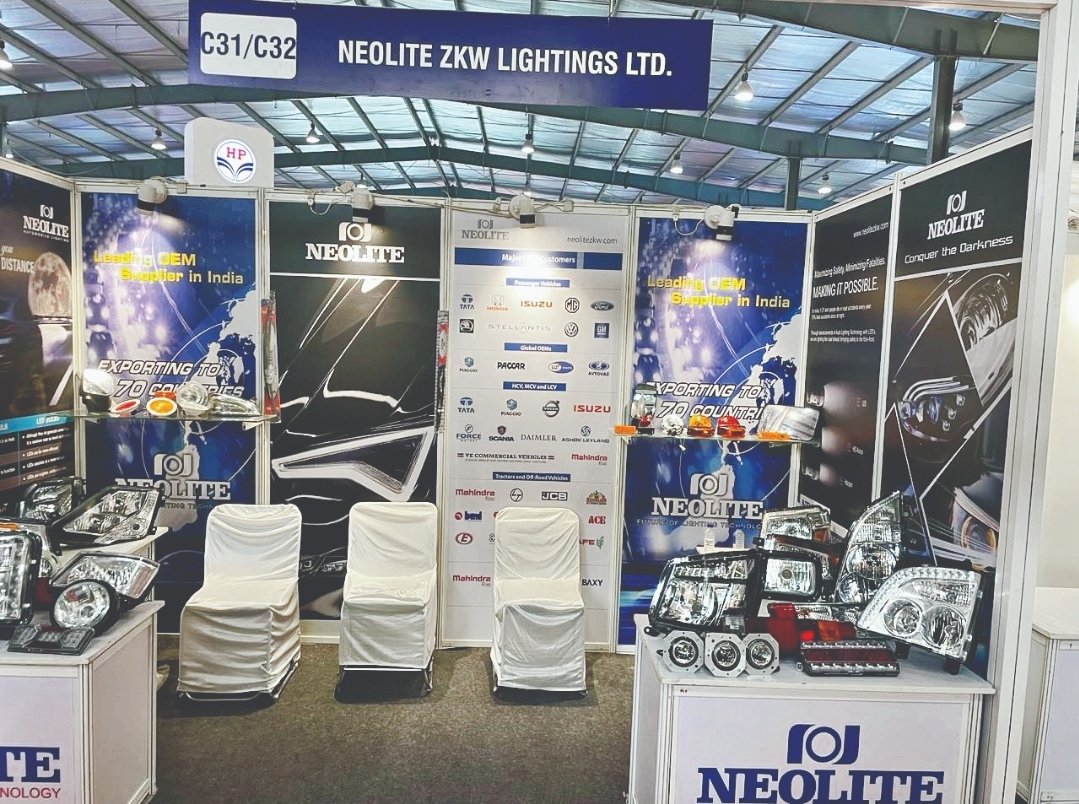
Neolite ZKW showcased its 90 mm LED headlamp with projector lens, developed to improve visibility, safety and styling for commercial vehicles. Designed for bus applications, the compact lighting system combines LED technology with a projector lens to deliver a more focused and uniform beam pattern, enhancing driver visibility during night operations and adverse weather conditions while minimising glare for oncoming traffic. Compared with conventional halogen lighting, the LED-based solution offers lower power consumption, longer service life and reduced maintenance requirements, making it well-suited for high-utilisation fleet operations. The compact 90 mm architecture also provides greater flexibility for modern front-end vehicle designs, allowing OEMs to integrate premium lighting without compromising styling. As fleet operators increasingly prioritise safety, uptime and life cycle costs, advanced LED projector headlamps are emerging as an important component in improving both operational efficiency and overall road safety.
EBERSPACHER SUTRAK BUS CLIMATE CONTROL SYSTEMS INDIA PVT. LTD.
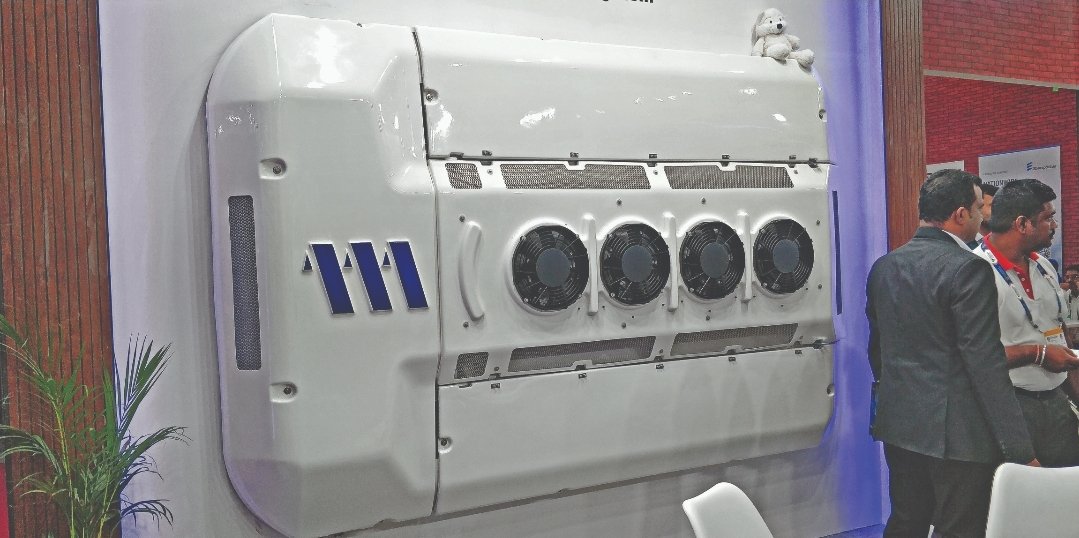
Eberspächer showcased a comprehensive thermal management portfolio addressing both conventional and electric bus applications. Leading the display was the AC135-246, a 46 kW all-electric HVAC system designed for electric city buses, coaches and midi-buses, offering climate control without compromising battery efficiency. Complementing it was the AC135 high-performance HVAC platform, available in 40, 45 and 50 kW configurations for demanding passenger transport operations. For diesel-powered buses and coaches up to 15m, the company displayed the AC135 conventional HVAC system in 30 kW and 35 kW variants, designed to deliver reliable cabin cooling across varying operating conditions. The portfolio also included battery and traction cooling systems for EVs, demister/front box units for improved windshield visibility, and 12V/24V axial fans and double radial blowers supporting efficient airflow and thermal management. Together, the solutions underline the growing importance of integrated thermal management in improving passenger comfort, component reliability and energy efficiency across modern bus fleets.
KRN HVAC PRODUCTS PRIVATE LTD
KRN SPH showcased its latest advancements in bus HVAC technology, highlighting flagship air conditioning solutions designed for next-generation mobility. The spotlight was on the XPE 55, engineered to deliver exceptional cooling performance with an advanced configuration of six condenser fans and eight high-performance blowers, ensuring rapid and uniform air distribution even under the most demanding operating conditions. Also drawing significant attention was the XEL7A, a compact, energy-efficient HVAC system developed specifically for seven-metre electric buses. Delivering an impressive 22 kW cooling capacity through five fans and six blowers, the XEL7A is designed to maximise passenger comfort while supporting the efficiency and range requirements of electric buses. With these innovations, KRN SPH reaffirmed its commitment to delivering high-performance, reliable, and future-ready climate control solutions that are shaping the future of India’s commercial vehicle and electric mobility ecosystem.
SPEHEROS MOTHERSON THERMAL SYSTEM LTD.
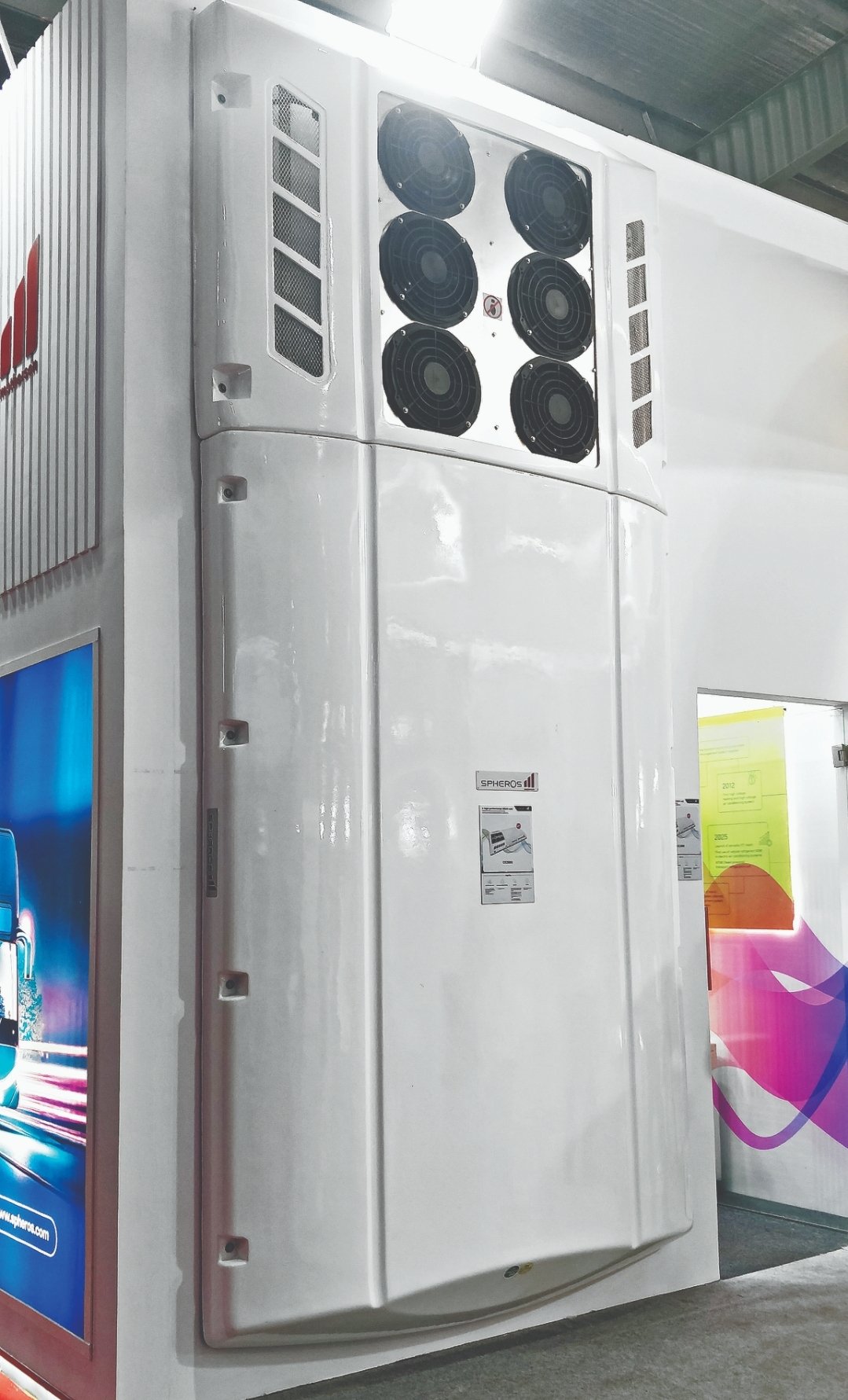
Spheros Motherson showcased a comprehensive thermal management portfolio spanning passenger comfort, battery cooling and safety systems for both conventional and electric buses. The company highlighted its CC500 rooftop HVAC system, engineered for 12-15 m buses operating in high-ambient markets such as India and the Middle East. Designed to deliver high cooling performance even at lower engine speeds, the system features a new mounting architecture and reduced refrigerant requirements to improve total cost of ownership. For electric buses, the CC400-E offers up to 40 kW cooling capacity, with intelligent control of the compressor, condenser fan and blower to optimise energy consumption and extend vehicle range. The display also included Battery Cooling Systems (BCS) ranging from five kilowatts to 10 kW, alongside the newly introduced 18 kW BCS, while the E-Cooler 100 demonstrated active battery cooling under high ambient conditions. Complementing the HVAC portfolio were the Eleon electric emergency roof hatch and Modus Cool integrated exhaust ventilation system, designed to improve passenger safety, air circulation and cabin cooling efficiency. The company also announced a new 100,000 sq. ft. manufacturing facility in Dharwad, strengthening local production and faster support for OEMs and the aftermarket.
TRANS ACNR
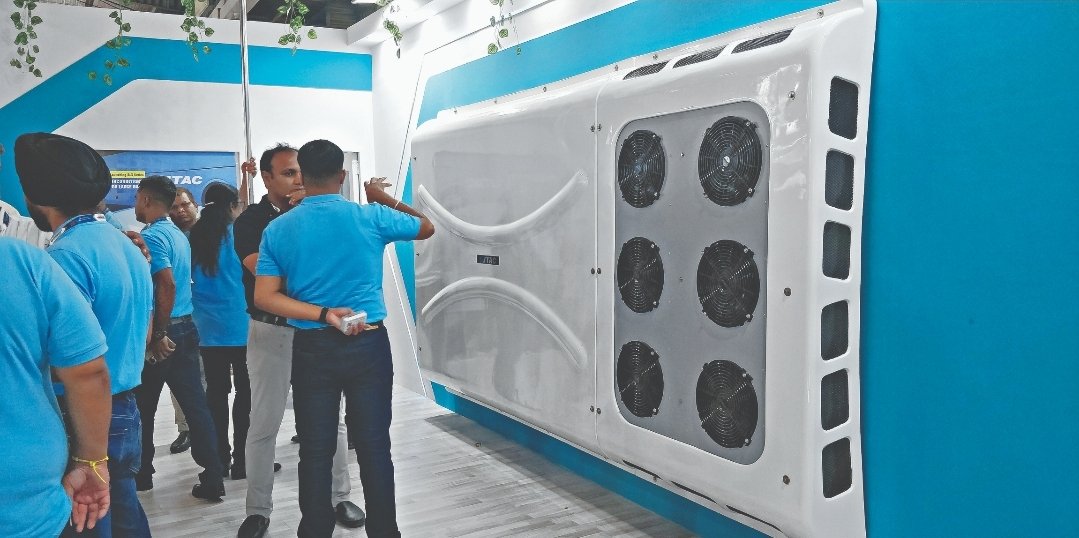
Trans ACNR showcased a diversified thermal management portfolio spanning buses, trucks and electric vehicle battery cooling systems. Leading the display was the Astro 220, a 20 kW rooftop HVAC system designed for minibuses up to eight metres, featuring a 313 cc compressor and tube-and-fin evaporator for efficient cabin cooling. For the growing electric and ICE truck market, the company presented a 2 kW battery-operated truck cabin air conditioner, operating on a 24V architecture, aimed at delivering driver comfort without engine idling. Addressing EV thermal management, the BC210 and BC207 battery chillers provide 10 kW and 7 kW cooling capacities, respectively, for roof-skirt-mounted battery applications. The compact NG-05, delivering 12 kW cooling, targets five-metre buses, while the SLE-250 offers 28 kW cooling capacity with three BLDC condenser fans for electric buses.
UNO MINDA LTD.
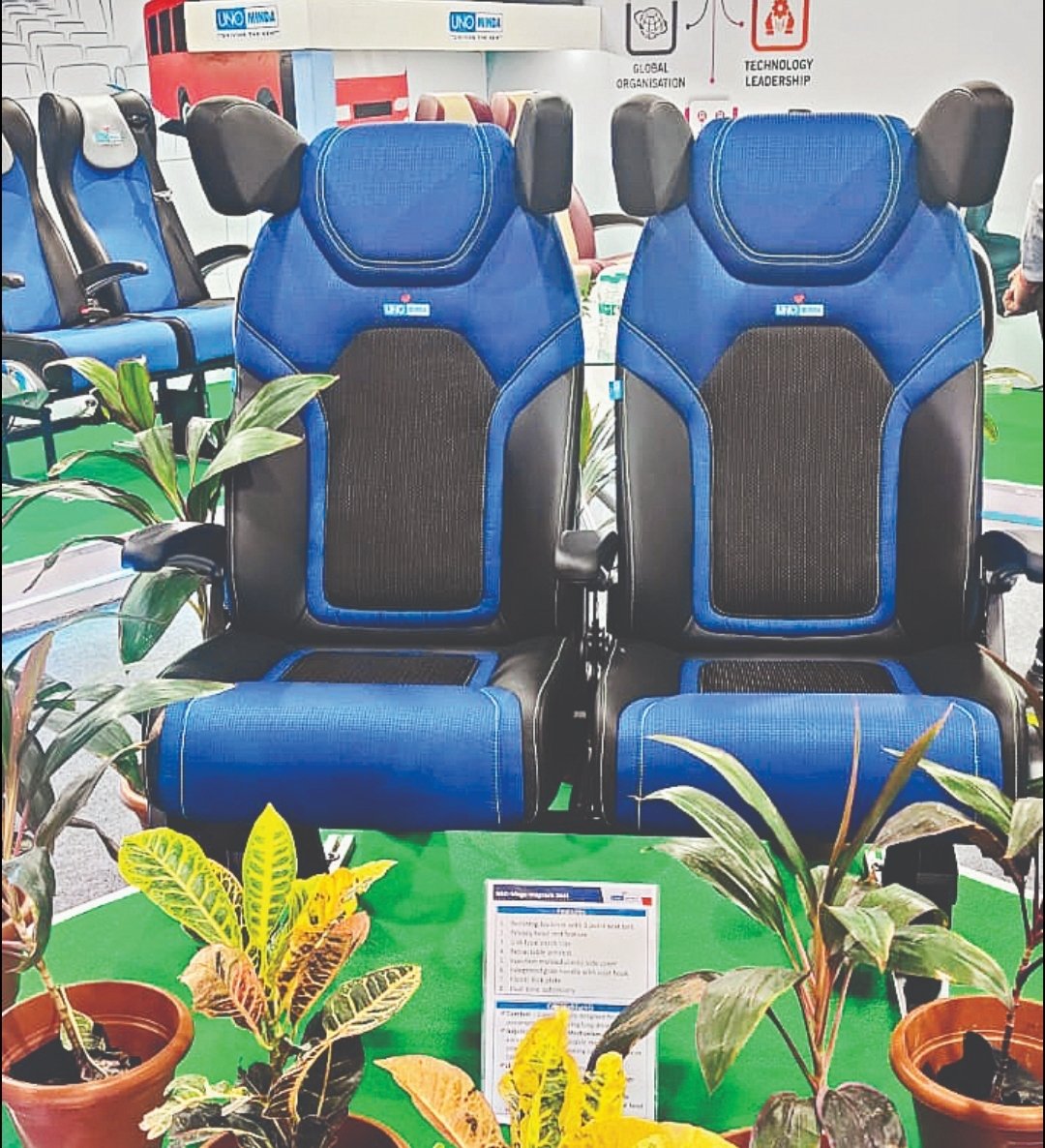
UNO Minda Seating Division showcased premium intercity and coach seats including the Futura Deluxe, Crystal Deluxe, Mega Magnum, Executive 910 and the New Deluxe platform, alongside seating solutions for city buses. Designed for long-distance travel, the premium range combines reclining backrests, integrated cheek support, retractable armrests and ergonomic cushioning to improve passenger comfort. Safety features such as optional two-point and dual-sensitive three-point seat belts are complemented by convenience elements including USB and Type-C charging ports, mobile holders, snack trays, adjustable calf support, ambient lighting and magazine pouches. The Mega Magnum further integrates a dual-sensitive three-point restraint system, while the Futura Deluxe and New Deluxe target premium coach applications with enhanced head support and modular configurations.