

A landmark 150 Volvo 9600 coach order points to a bold strategy at Vijayanand Travels, writes Niharika Singh.
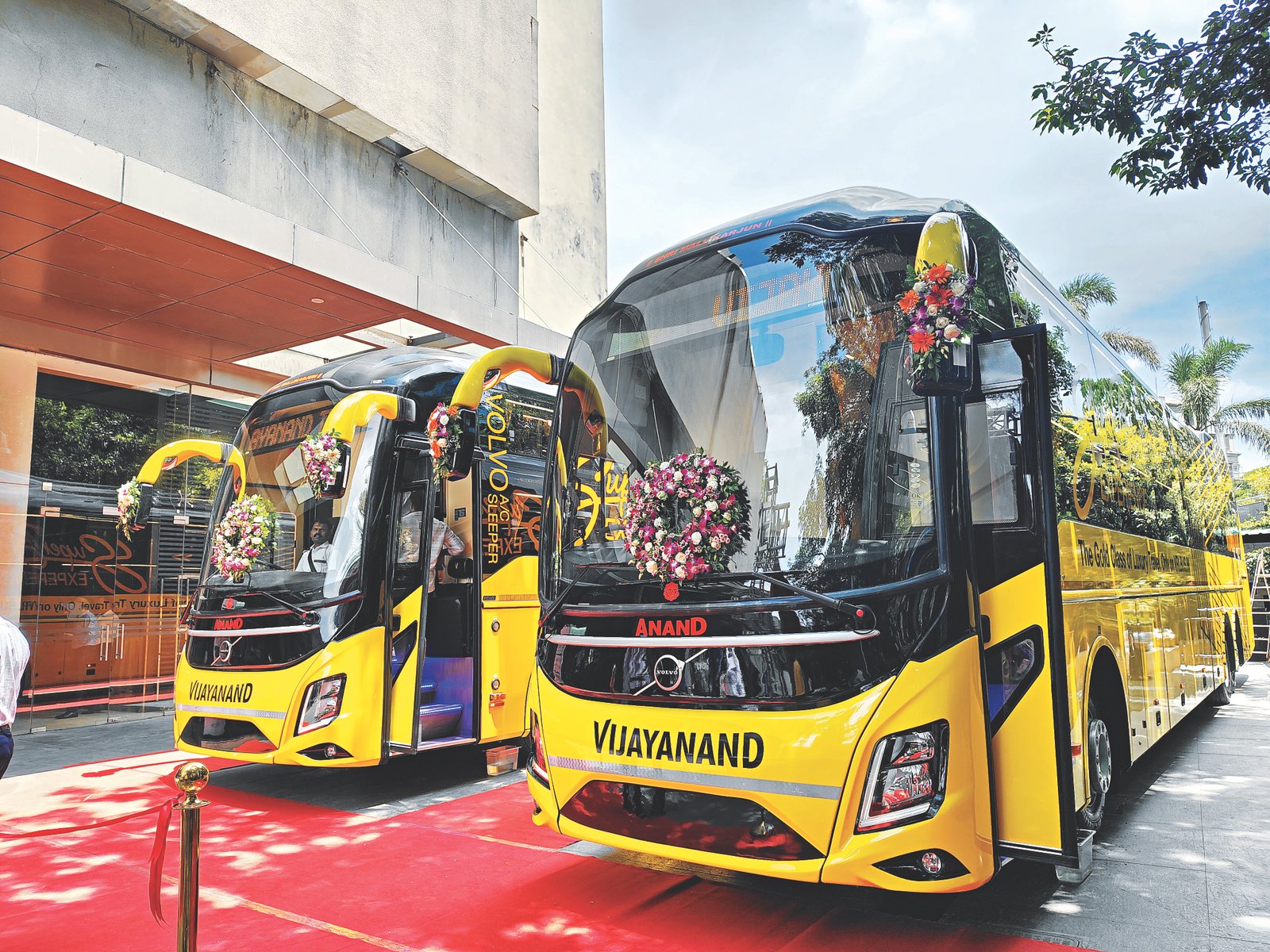
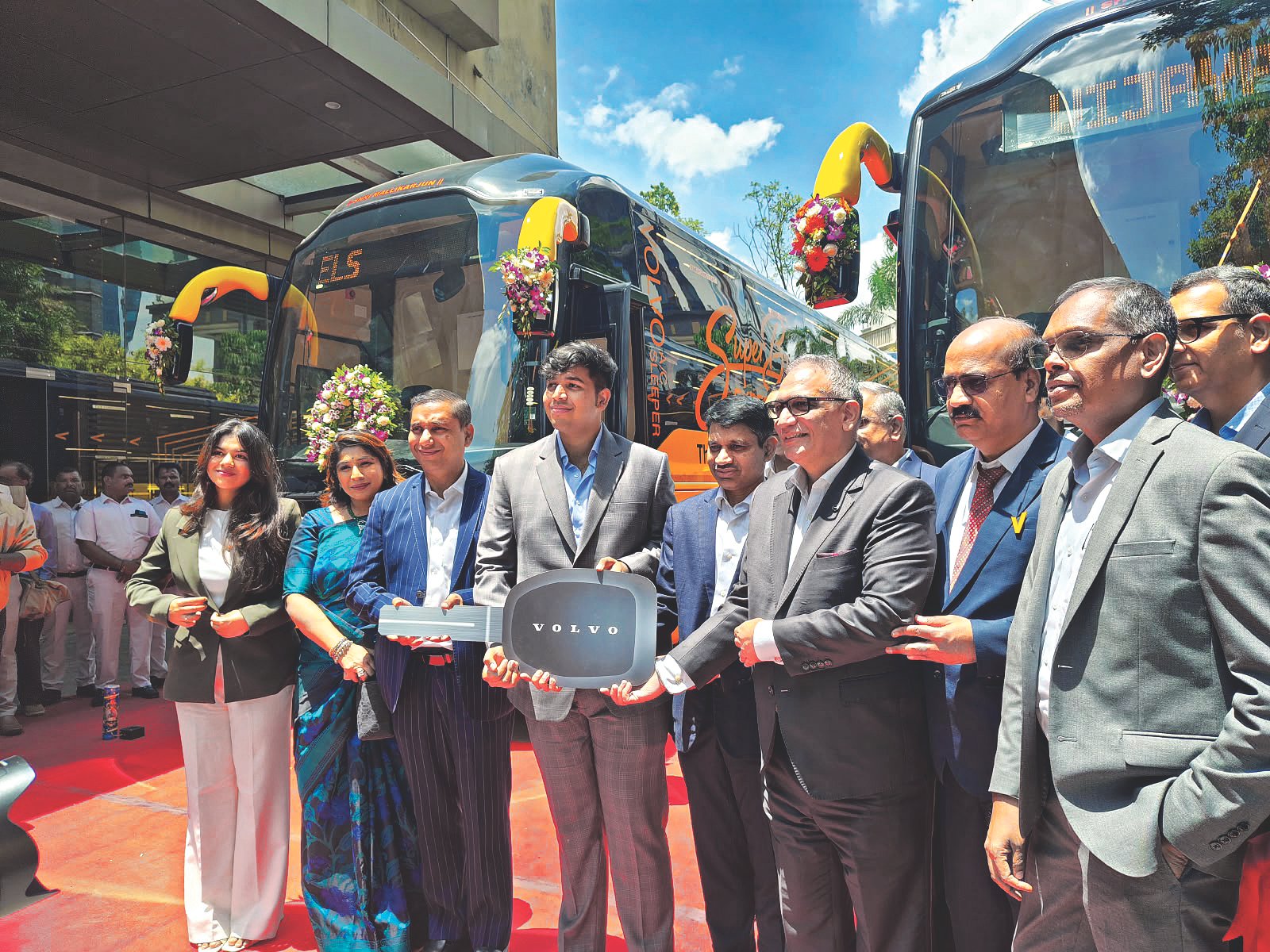
India’s private intercity bus segment is entering a phase where fleet scale is increasingly being accompanied by greater attention to vehicle technology, operating economics and passenger oriented design. Against this backdrop, Vijayanand Travels Pvt.Ltd. (VTPL) has placed an order for 150 Volvo 9600 luxury sleeper coaches with Volvo Buses India. Shiva Sankeshwar, Director, VRL Logistics Ltd. and Managing Director, Vijayanand Travels, said the latest investment would strengthen the company’s fleet, support entry into additional states and build on its confidence in Volvo’s technology, engineering and service infrastructure. The order, formally marked in Bengaluru on September 04, 2026, is claim to be the single largest order placed by a private bus operator with Volvo Buses India. The development is significant not only in terms of fleet addition but also for what it indicates about the direction of organised bus operations in India. With VTPL expanding its footprint across South, West and Central India, the deployment of a large number of common-platform coaches provides the operator with an opportunity to strengthen network capacity while maintaining consistency in vehicle technology and operating standards. The order will also take VTPL to the highest Volvo bus count among private bus operators in India. Its association with Volvo Buses stretches back several decades, making the latest transaction an extension of an established vehicle and technology partnership rather than a standalone fleet acquisition.
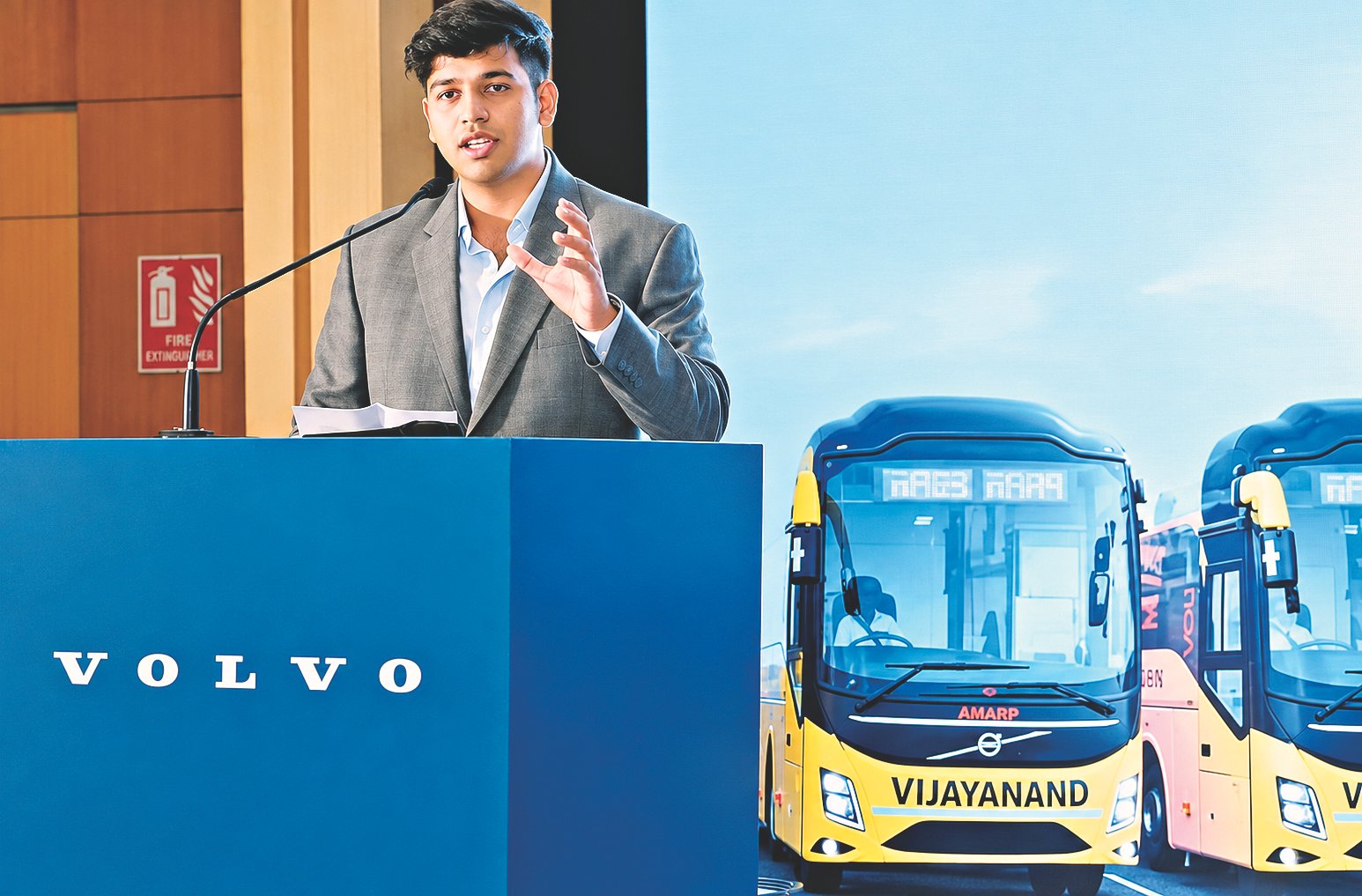
Shiva Sankeshwar, Director, VRL Logistics Ltd. and Managing Director, Vijayanand Travels
Beyond Fleet Expansion
VTPL has progressively developed its operating model around long-distance passenger transport. Over the years, the company has introduced dedicated seating for women, in-house maintenance and repair facilities and double-driver deployment on extended routes. These measures reflect the operational requirements associated with sustained intercity services, where vehicle availability, driver management and turnaround time directly influence fleet productivity. The company’s network extends across multiple regions, while its digital booking platform has crossed two million downloads. VTPL states that approximately 20,000 passengers travel through its services each day. Its route strategy has also included high-distance operations, notably the Bengaluru-Jodhpur service, which the company has identified as Asia’s longest bus route. The latest order brings another operational consideration into focus. Around 70-80 coaches from the new batch are expected to receive onboard washrooms. For operators running extended overnight services, such facilities can address a practical limitation of conventional coach travel while reducing the need for frequent service interruptions. This approach forms part of VTPL’s Gold Class proposition, which seeks to position sleeper-coach travel as a higher-value alternative for passengers travelling between cities over extended distances.
A Long-standing Association
The transaction further consolidates the relationship between VTPL, and Volvo Buses, which has developed over several decades. For VE Commercial Vehicles, the order reinforces Volvo Buses’ position within the organised private-operator segment. B Srinivas, MD & CEO, VE Commercial Vehicles, described VTPL as one of Volvo Buses’ longest-standing private operator partners in India and highlighted the role of the 9600 platform in supporting the operator’s expansion plans. Such long-term relationships are particularly relevant in the coach segment, where the purchase decision extends beyond vehicle specifications. Service infrastructure, parts availability, technical support and lifecycle performance are integral to the economics of a fleet operating intensively across multiple routes.
Engineering the 9600
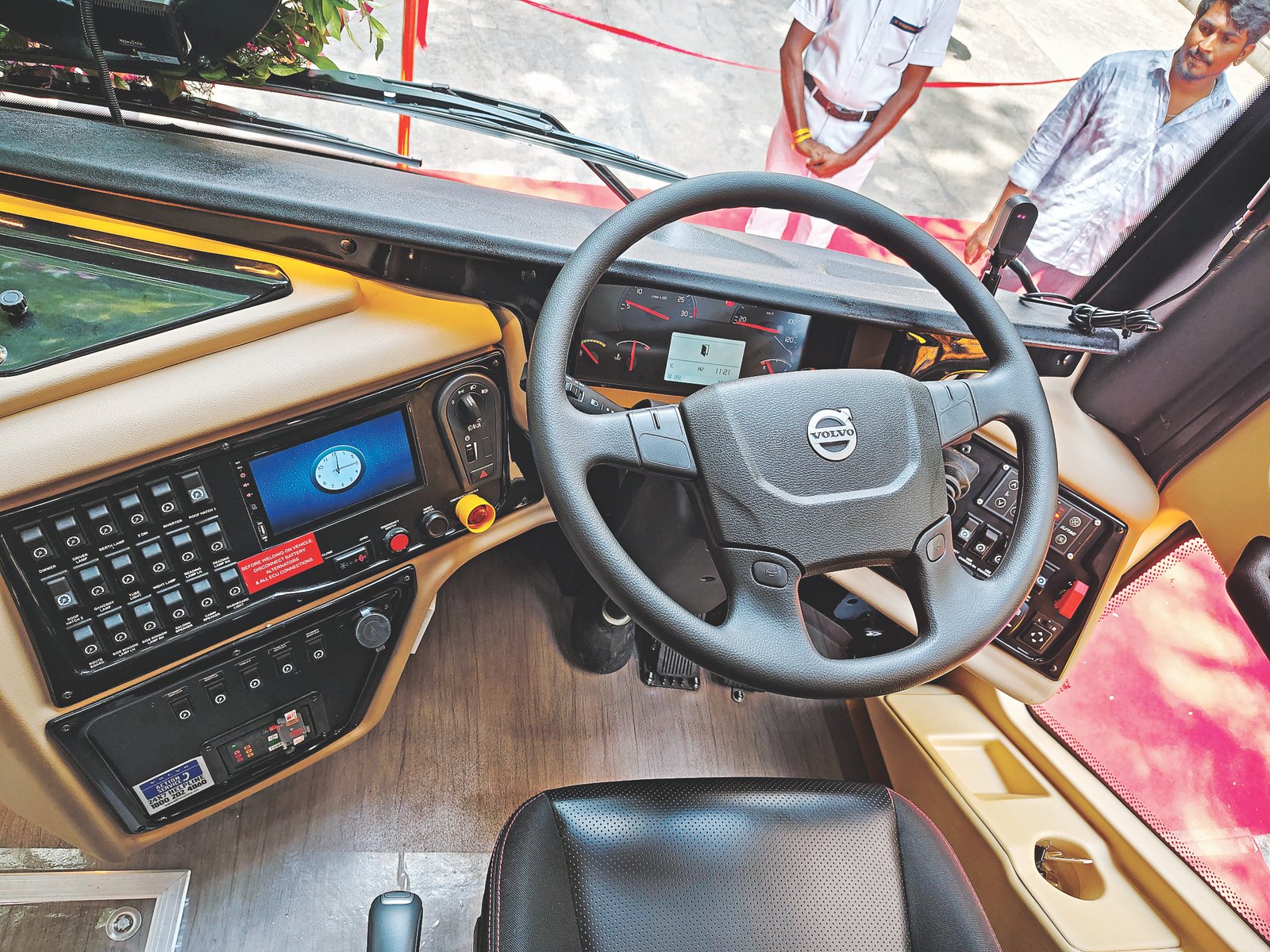
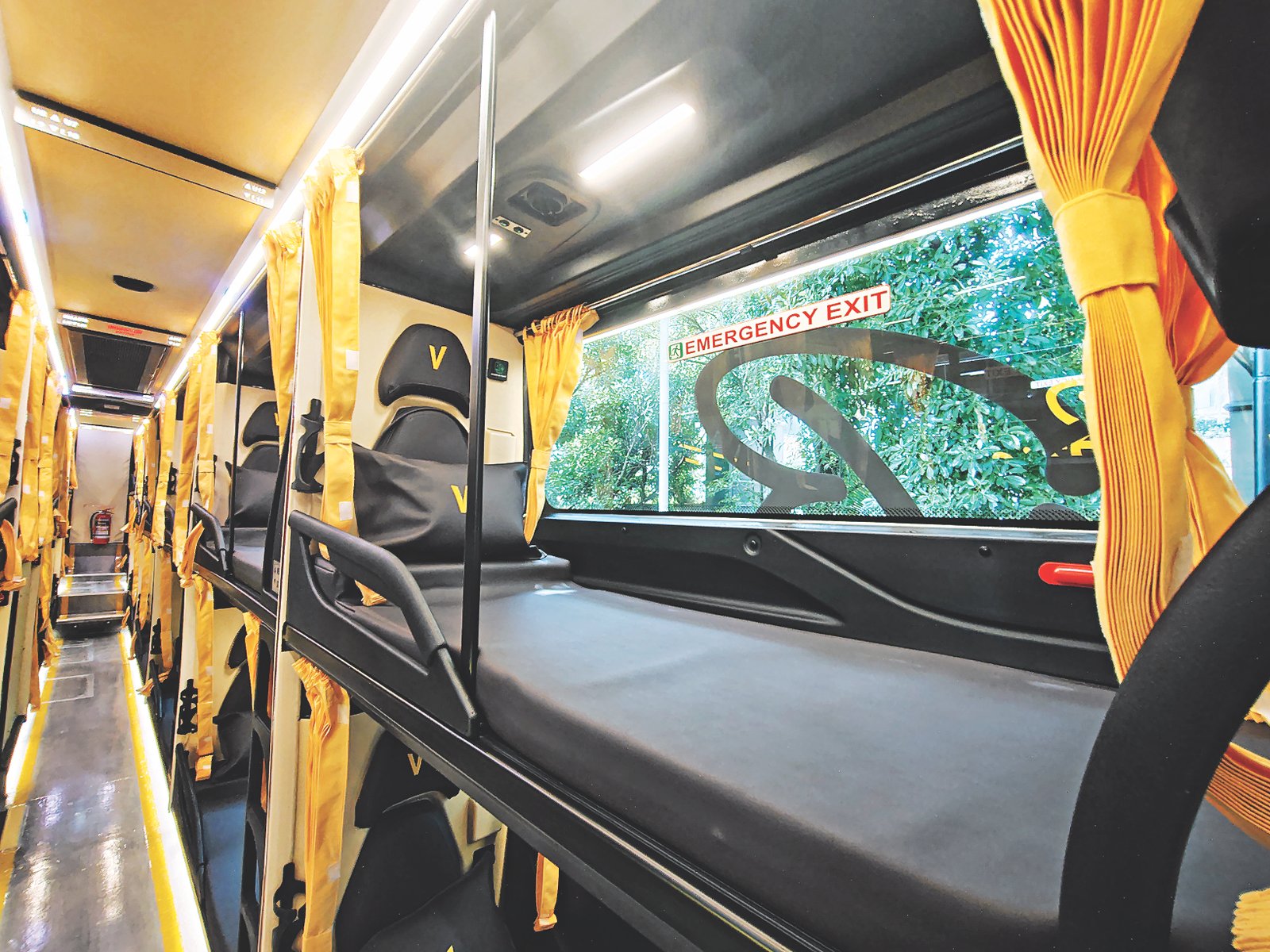
The Volvo 9600 forms the technical core of the latest acquisition. Based on European design architecture and adapted for Indian operating conditions, the platform has been developed for high-capacity intercity applications where passenger accommodation and vehicle performance have. to work within a demanding operating cycle. The Tall Boy architecture provides additional interior volume while accommodating up to 40 sleeper berths. The coach also offers 8.5 cubic metres of luggage capacity, an important consideration for overnight and extended-distance services where passenger luggage requirements can be higher than on shorter routes.
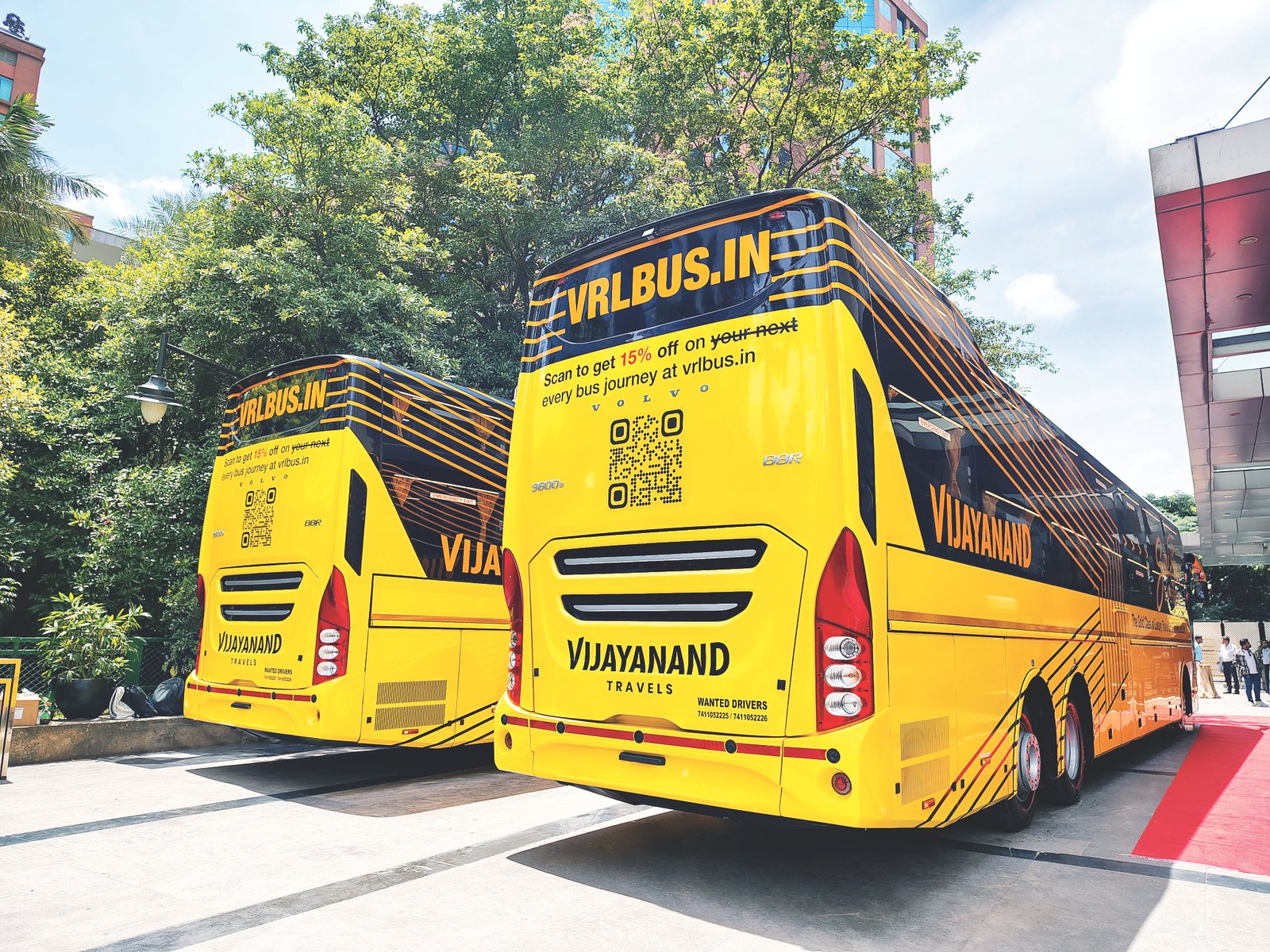
The coaches are powered by Volvo’s D8K eight litre engine, which develops 350 hp (260 kW) at 2,200 rpm and peak torque and a peak rated of 1,350 Nm between 1,200 and 1,600 rpm. The engine is mated to the Volvo 12-speed I-Shift automated manual gear box paired with an integrated hydrodynamic retarder (15m multiaxle configuration) The chassis and electronic architecture incorporate an Electronic Braking System (EBS), Electronic Vehicle Stability Control (EVSC) and pneumatic disc break. Hill Start Aid and Electronic Stability Program. Together, these systems are intended to provide controlled vehicle behaviour across varied road and operating conditions. The safety package also extends to fire protection. A Fire Detection and Suppression System (FDSS) is provided for the engine compartment, while a fire protection system is incorporated within the passenger area. For a sleeper coach operating overnight and across extended distances, these systems form an important part of the vehicle’s overall safety architecture. The bold Expansion with partner Volvo Busses India sets a new benchmark for modernisation.
Distinct Identities For Modernisation
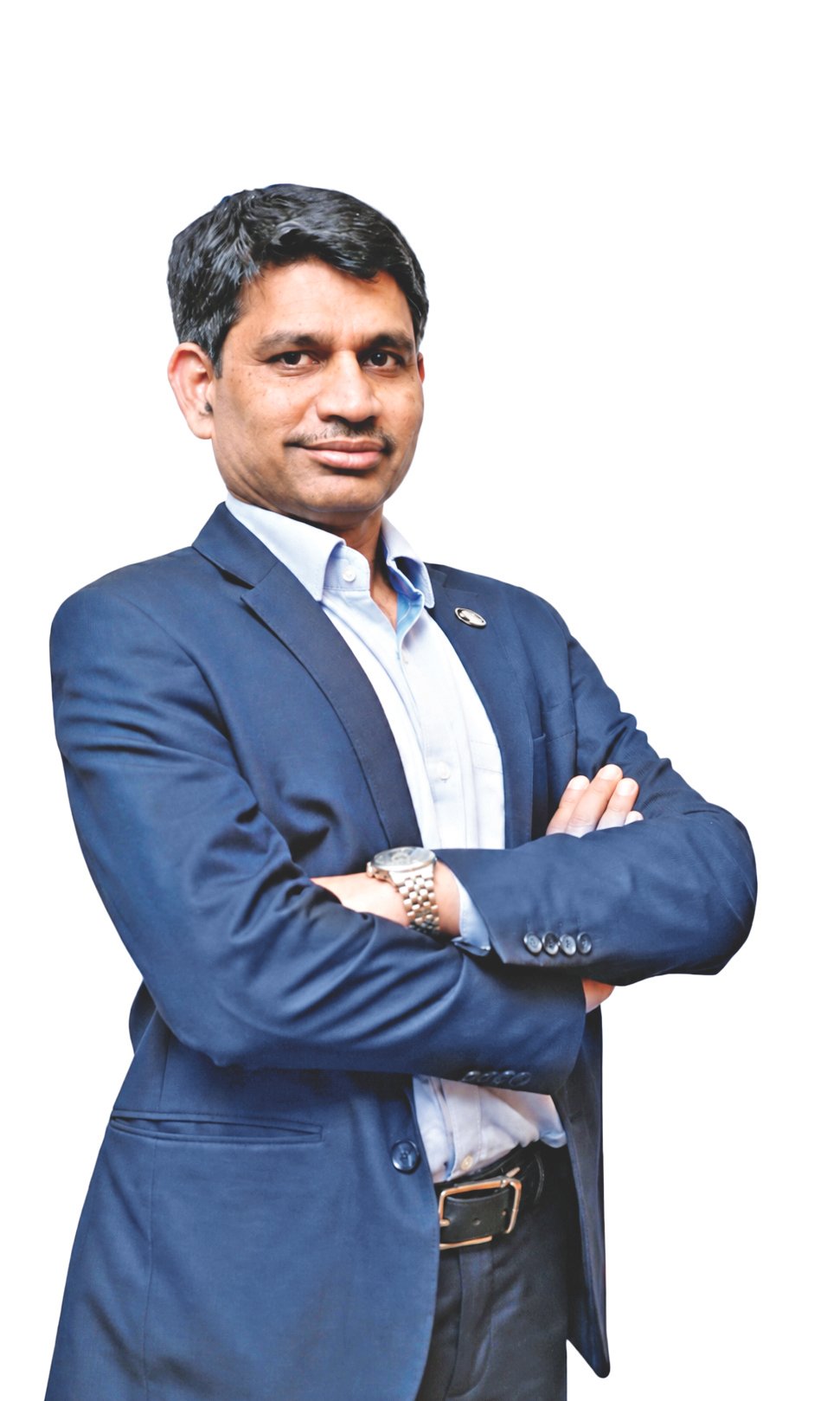
B.Srinivas, MD & CEO, VECV, speaks with Niharika Singh on the landmark Volvo 9600 order placed by Vijayanand Travels and the two-pronged strategy.
Q. Today marks an important occasion with the delivery of 150 Volvo buses to VRL. Could you tell us about the significance of this order for VECV and what this milestone represents for the company’s relationship with VRL?
A. It is a significant order for VECV, particularly because of its scale. More importantly, our long-standing relationship with VRL enables us to jointly bring solutions centred on safety, comfort and reliability to customers. There is strong synergy between what Volvo is developing and what VRL wants to offer its passengers. This order is therefore an important milestone in a partnership built over several years.
Q. VRL has been a long-standing player in India’s passenger transport industry. What does this order tell you about the evolving demand for premium and intercity bus solutions in India?
A. Indian customers are increasingly looking for global standards in safety and comfort. These 150 buses will give passengers an opportunity to experience such standards at scale. All 150 buses are Volvo 9600 models. Features such as the Volvo-built onboard restroom, charging solutions and other passenger-focused technologies demonstrate how the platform is addressing evolving requirements.
Q. How has the transition from being an important industry stakeholder to taking on the role of MD & CEO changed your perspective and priorities?
A. Having worked across product strategy, industry and sales over the last 32 years, this role gives me an opportunity to bring those experiences together towards one objective-driving what we call “relevant modernisation”. My priority is to strengthen both Volvo and Eicher as distinct brands that contribute to the modernisation of Indian commercial mobility.
Q. How is VECV participating in the government’s Parivartan scheme, and what role do you see the company playing in supporting the transition towards safer, more sustainable and technologically advanced mobility?
A. We have signed the MoU and are committed to supporting the programme. Parivartan provides an opportunity to replace older vehicles with cleaner, safer and newer-generation products. Our BS6 vehicles offer improved performance, fuel efficiency, features and connectivity, while our portfolio also includes electric, CNG, diesel and LNG options. It is beneficial for society, customers and manufacturers alike.
Q. Looking at the industry on a year-to-date basis and considering the performance in Q1 FY27, how would you assess the current state of India’s commercial vehicle market? What are the key factors influencing demand at present?
A. The commercial vehicle industry is seeing strong momentum, particularly following GST 2.0, which has triggered demand and improved the economics of vehicle acquisition. We are also seeing replacement demand returning after a prolonged period of subdued activity. Month-on-month performance has been stronger than anticipated, and we expect the industry to reach a historic high by the end of the year. The current environment is also helping the market absorb some of the challenges arising from.the wider geopolitical situation.