

Olectra has spent almost a decade proving that electric buses can work in India. Under Mahesh Babu, the next challenge is to sustain that momentum, industrialise the learning and prepare the ground for the next tipping point, writes Ashish Bhatia.
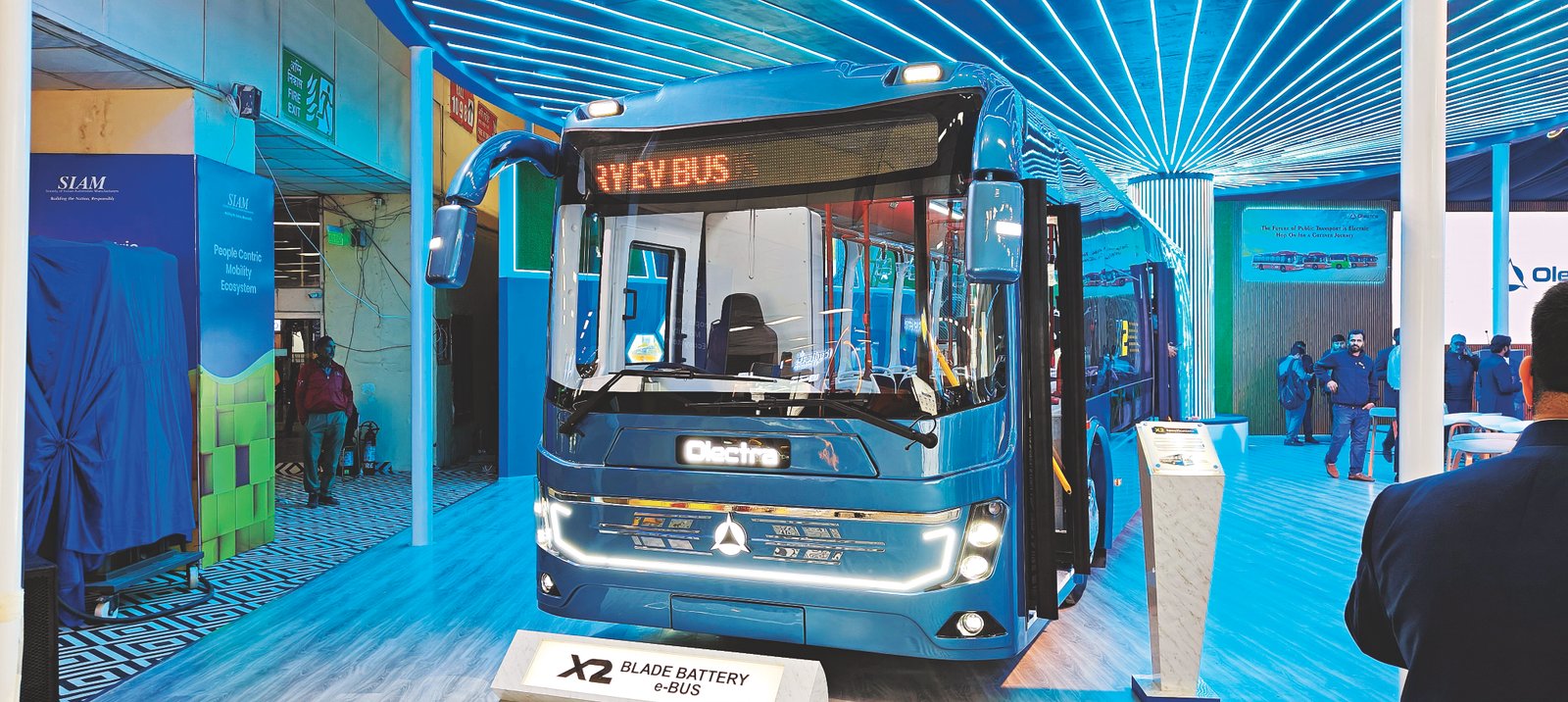
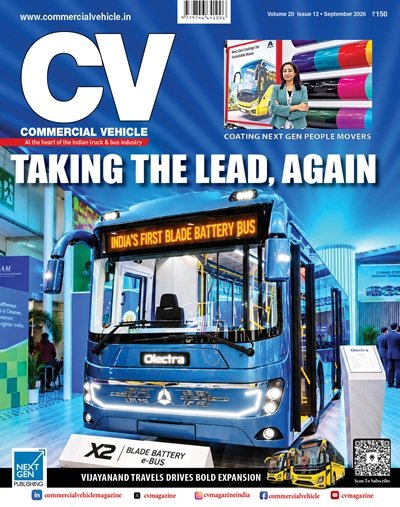
India’s electric bus story and the intense competition are being discussed on the global stage. The most visible evidence is on the road. In July 2026, Olectra Greentech announced that it had become the first company in India to deploy 4,000 electric buses on Indian roads. It is a milestone that belongs to Olectra, but it also says something about how far the country’s electric bus ecosystem has travelled. The company says its electric vehicles have now clocked more than 750 million green kilometres across 55-plus cities. For Olectra, however, 4,000 is not a finish line.
The company began putting electric buses on Indian roads as early as 2017 with an evolving brand identity. Almost a decade later, the industry’s central question is no longer whether an electric bus can operate in India. It is how quickly the technology can scale, how sustainably it can be financed, how reliably it can be manufactured and maintained, and how much of that accumulated operating experience can be transferred into the next generation of commercial vehicles.
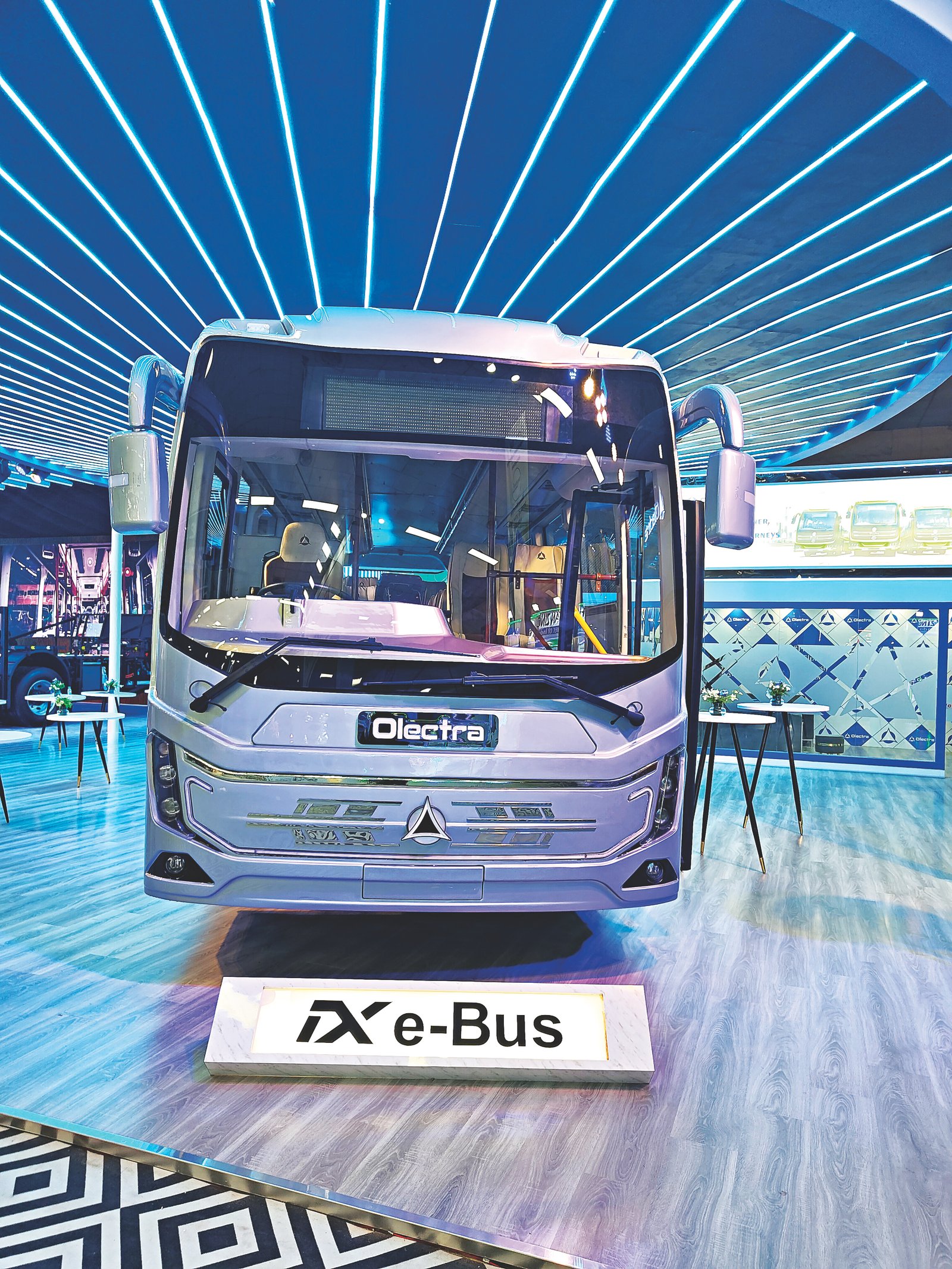
That is the context in which Mahesh Babu has taken charge as Managing Director. His task is therefore somewhat different from that of an executive entering a conventional growth phase. The market has already provided the proof of concept. The challenge now is to sustain the momentum and make electrification repeatable at scale. From proving the product to industrialising the system.
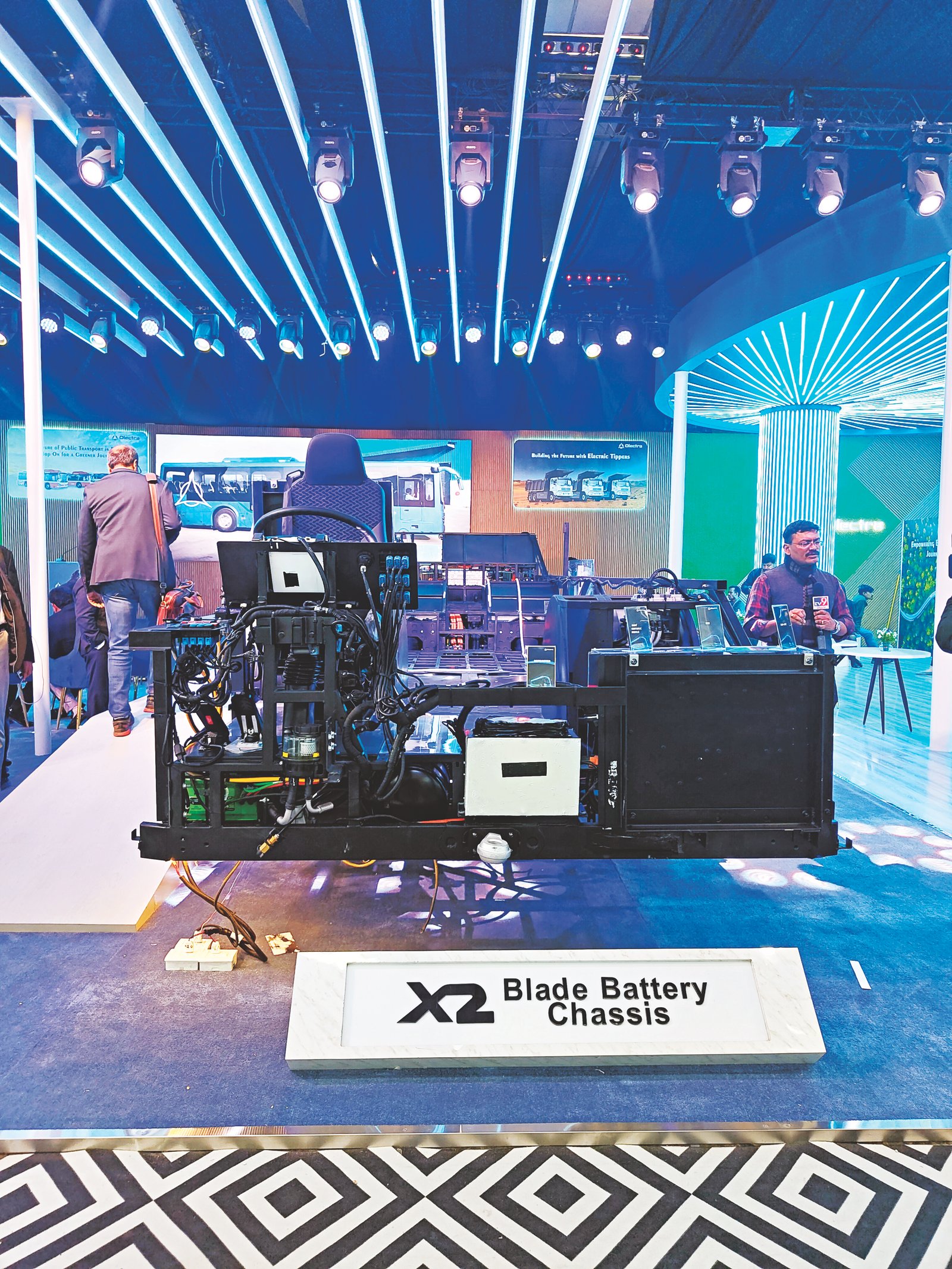
The first few months at Olectra have been less about headline-grabbing product announcements and more about fixing the machinery behind growth. He points to predictable supply as one of the most important changes. Over the three quarters preceding the interview, Olectra consistently crossed 350 buses a month. That consistency, he says, came from process improvements aimed at embedding quality, build consistency and reliability into the production system, alongside a re-evaluation of the cost structure and supplier base. New vendors and technology partners have also been brought into the ecosystem. It is an important distinction.
Electric mobility at scale is not simply about putting an electric powertrain into a vehicle. It is about making the entire system, including the vehicle, battery, charging, financing, service, uptime and supply chain, work repeatedly and economically. Olectra’s FY26 numbers provide some context. Consolidated revenue rose to Rs. 2,312.17 crore from Rs. 1,801.90 crore, while profit attributable to equity holders increased to Rs. 177.49 crore from Rs. 138.89 crore. The Mobility business accounted for Rs. 1,986.72 crore of consolidated revenue.
Babu’s own interpretation is telling. Olectra delivered around 32 per cent more vehicles during FY26, with revenue growing 28 per cent and PAT around 29 per cent. His emphasis is not simply on growth, but “profitable growth”. With an order book of around 10,000 vehicles, he says Olectra does not need to chase every available order. The company will continue taking orders, but not orders that do not make economic sense. That discipline could become increasingly important as competition intensifies. It is easy to look at thousands of electric buses on Indian roads and assume that the first chapter of electrification is already complete. Babu sees it differently. In his assessment, around 150,000 buses could need replacement with electric vehicles over the next two to three years, while only a fraction- his estimate is around 10,000-20,000 has been addressed so far. He puts electric-bus adoption at around 4.7 per cent in the previous year and believes a substantially larger share can be captured over the next three years. The installed electric-bus base remains small relative to the potential replacement opportunity.
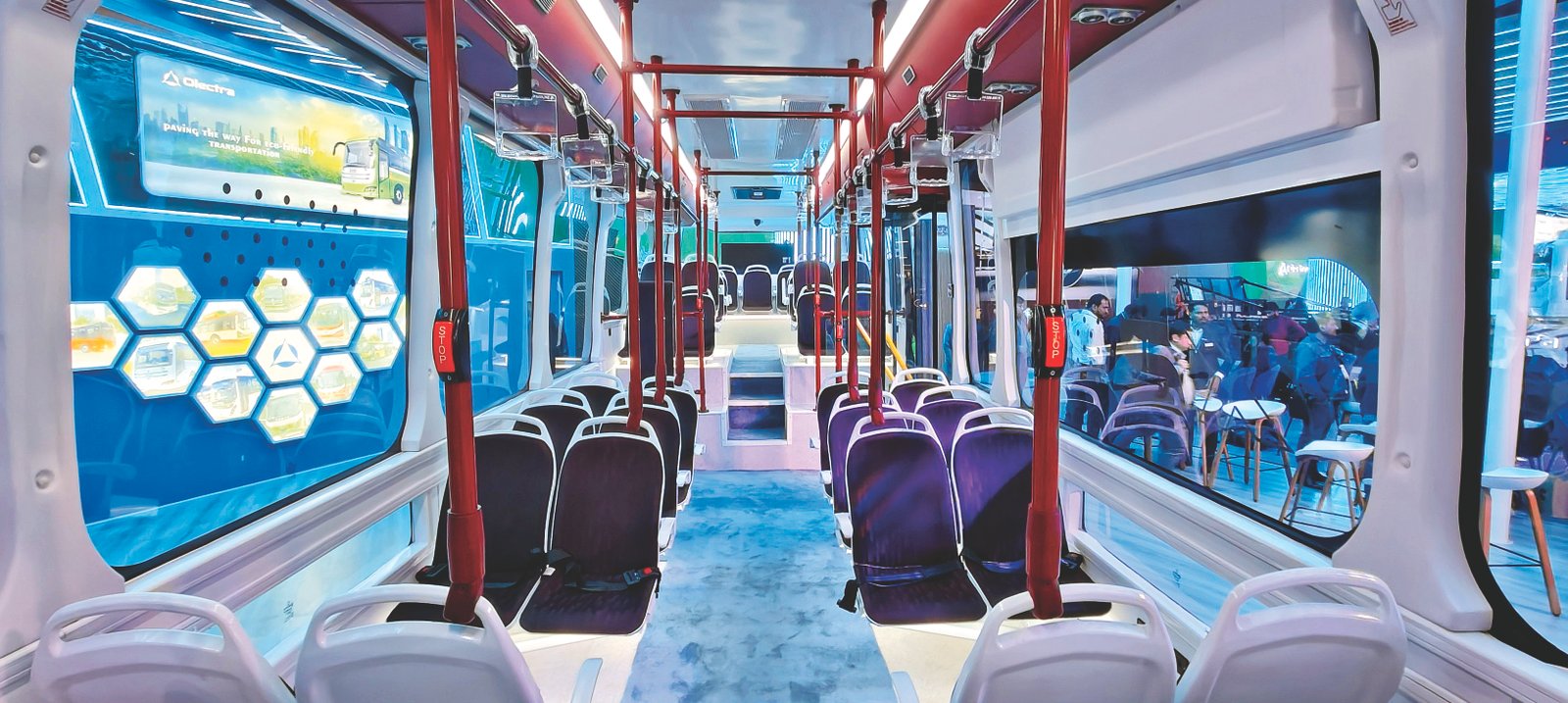
The industry is moving from isolated tenders and early deployments towards a larger replacement cycle. State Transport Undertakings (STUs) will remain important, but the financing architecture around electric buses will increasingly determine how quickly the market can absorb them. This is where India’s Gross Cost Contract (GCC) model offers an interesting lesson. GCC effectively brought private capital into public bus electrification at a time when STUs often lacked the capital to purchase electric buses outright, and financiers were reluctant to lend against their balance sheets. Babu describes the model as having matured, with private partners now participating in the ecosystem. But he does not see GCC as the universal template for what comes next. For private bus and truck operators, he argues, the bigger requirement is long-term financing. If banks and Non-Banking Financial Companies (NBFCs) can provide seven- to eight-year funding for electric buses and trucks, the industry could move towards a more conventional asset-financing model. The implication is significant. The next phase of electrification may depend as much on financing innovation as vehicle innovation.
Scaling Up
Olectra’s response is not limited to demand. Its Sitarampur facility near Hyderabad has been commissioned in phases, with Phase I designed for 2,500 electric buses a year on a single shift and up to 5,000 on two shifts. Babu says the objective for FY27 is to ramp production towards that level. More importantly, the facility is being conceived as a broader electric commercial-vehicle manufacturing base.
The 150-acre integrated facility brings together chassis, aggregates and other manufacturing operations, with provision for a battery-pack line. Olectra is also resetting its plans around electric trucks, initially targeting around 1,200 units and scaling towards 2,000 subsequently. The company’s stated ambition is to move from around 5,000 vehicles to 10,000 in FY28, including buses and trucks. The focus is therefore not just on increasing volumes. It is about building the products, manufacturing system, supply chain and technology capability for the next phase.
The Next Phase Is About Making Electrification Predictable
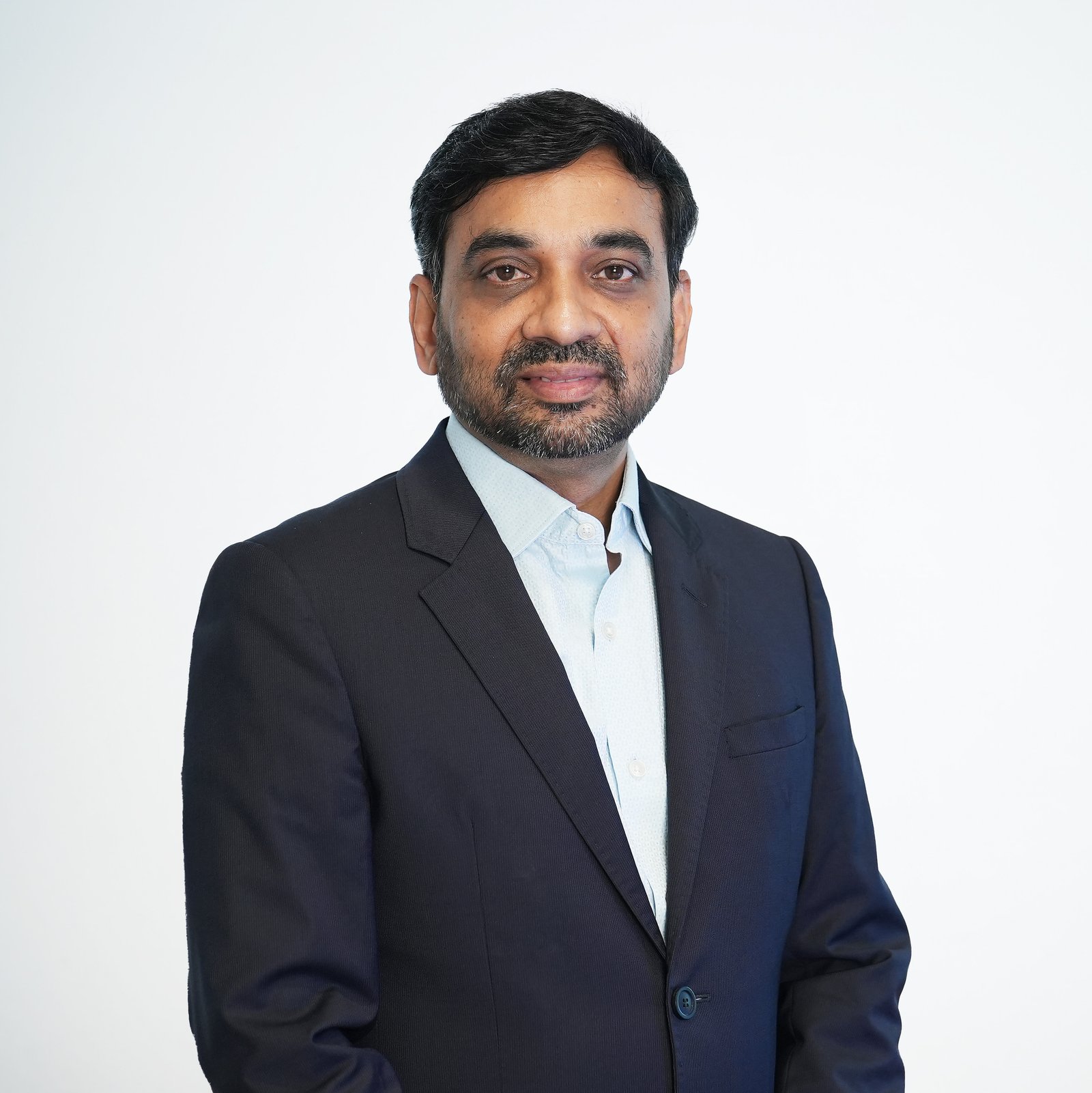
Mahesh Babu, Managing Director, Olectra Greentech, speaks to Ashish Bhatia on sustaining the company’s electric-bus momentum, building a more predictable supply chain, localising technology and why electric trucks could become the next big inflexion point.
Q. Olectra has now crossed the 4,000 electric-bus deployment milestone in India. How do you see the significance of that number for the company and for the segment?
A. Olectra is a pioneer in electric mobility. Our buses have been on the road since as early as 2017, and many of them have been running for eight to 10 years. So we have almost a decade of experience in electric mobility. The 4,000-bus milestone is an important achievement, but for us the bigger opportunity is what we learn from those vehicles. We are running more than 4,500 buses in electric vehicle operations, and many have seven, eight or nine years of operating experience. That gives us a lot of learning in terms of safety, performance, reliability, lifecycle and operating conditions. All of that learning is now going into our next-generation products.
Q. You have spoken about the need for predictable and consistent supply. What has changed within Olectra over the past year?
A. One of the important things we have done in the last eight months is to create a predictable and consistent supply chain. For the last three quarters, we have consistently been doing more than 350 buses month on month. We have made several process improvements so that quality, build consistency and reliability are embedded into the system. We have also re-evaluated the complete cost structure and the type of technical suppliers we need to partner with. We have brought in new vendors and innovative partners who can create value for the business. The objective is to embed all of this into the system for the next phase of growth.
Q. Does that also explain the emphasis you place on profitable growth rather than simply chasing volumes?
A. Absolutely. We have around 10,000 orders, and if we deliver them over the next two years, that gives us a good base. We will continue to take orders, but we are not in a desperate mood to take orders that are not profitable. If you look at our last financial results, we delivered about 32 per cent higher volumes, revenue growth was around 28 per cent, and PAT growth was around 29 per cent. It is not only the top line that we are growing; we are growing profitably. That is very important because it will help us scale up, get into new products and enter trucks.
Q. Where does the electric-bus market stand today? Has India already moved beyond the early-adoption phase?
A. I strongly believe we have not even scratched the surface. We have around 150,000 buses that need to be replaced with electric buses over the next two to three years. We have done only around 10,000-20,000 buses so far. Electric-bus adoption was around 4.7 per cent last year, so there is still a lot of opportunity. I believe we can capture 30-40 per cent over the next three years. There is plenty of business available.
Q. The GCC model played a major role in bringing electric buses into public transport. What needs to evolve for the next phase?
A. The GCC model has matured. Its purpose was to bring private capital into the segment because state transport undertakings did not have the money to fund the projects, while financial institutions were not willing to fund them based on the balance sheets of the STUs. It has brought private investment into the segment and opened the window for electric mobility to scale faster.For trucks and private bus operations, however, I don’t think GCC is needed in the same way. If banks and NBFCs start funding private players with seven- or eight-year financing for buses and trucks, then scalability will happen. Financing is the best way to fund truck and private-bus operations.
Q. Olectra is now expanding into trucks. What have the bus operations taught you that can be transferred to this segment?
A. Our big advantage is the experience we have from running electric buses. Many of them have been operating for seven, eight or nine years. We learn a lot from them. That learning goes directly into product development. We can define and specify the vehicle in such a way that it meets requirements in terms of safety, performance and life. For example, we have decided to use cathodic electro-deposition coating for our bus chassis. We are targeting a life of more than 15 years. We will introduce this on our next-generation buses. These are the kinds of learnings that come from operations. We are also able to correlate failure rates and expenses, and that makes us more prudent when we quote for new tenders.
Q. What is the architecture strategy for the next-generation bus?
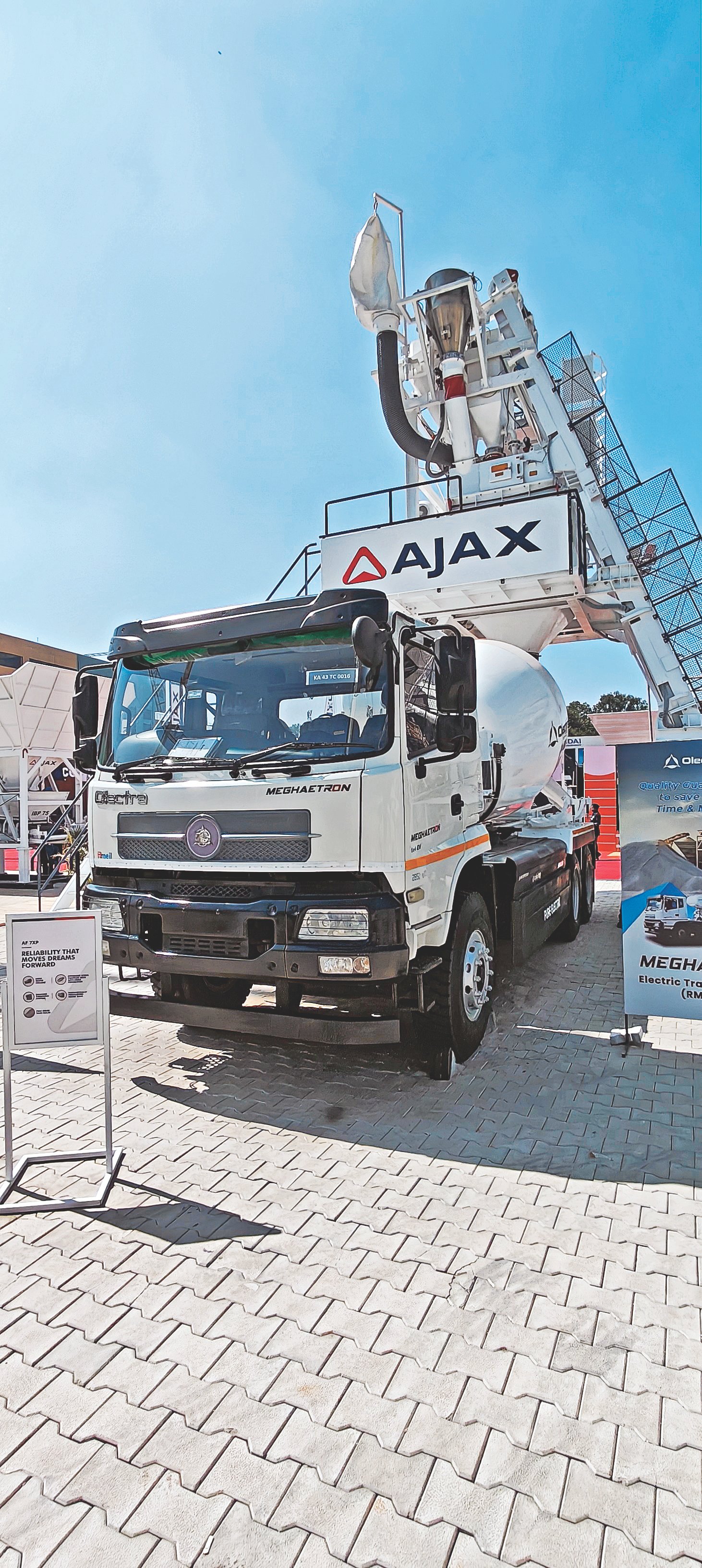
A. Our priority will be the next generation of nine-metre and 12-metre buses. We are strong in coaches and will continue to produce coaches. We are also looking at a long-distance coach with more than 500 kWh of battery capacity. We want to build the portfolio step by step before getting into smaller formats.
Q. On trucks, you are initially looking at the 28-55-tonne range. Why start there?
A. We are looking at around six different truck applications between 28 and 55 tonnes. We have already taken around 100 trucks and piloted them within the group across mining, construction, road building and other applications. We have learnt a lot from those trials over the last six months. Based on that learning, we are configuring and developing the truck platforms. We will initially be around the 28-tonne category for the next two to three years before moving that category below.
Q. You have spoken about fast charging as a potential enabler for electric trucks. How important could that become?
A. We are working on flash charging. There is a one-megawatt charging technology from BYD that we are asking them to develop for commercial vehicles as well. Our objective is to reduce charging time to less than 20 minutes. We are looking at around 18 minutes for a 20-80 per cent charge. If you have that kind of charging capability, the equation changes. Even if you run 250-300 km and stop for 20 minutes for an 80 per cent charge, you can potentially run across the country without a major charging-time issue.
Q. You have said electric trucks could surprise the market. What gives you that confidence?
A. When I launched the Mahindra Treo, everybody said the three-wheeler segment would not adopt high technology because the economics and customer profile would make it difficult. But economics played a role, and today electric three-wheelers have achieved very high penetration. I strongly believe trucks are going to surprise. My recent visit to China and what I am studying from the data there reinforce that belief. With flash charging, 20-minute charging and fast-charging stations, trucks can become absolutely viable. I strongly believe that in the three-to-five-year band, trucks are going to surprise.
Q. What happens to localisation as Olectra moves into the next generation?
A. We are actively discussing with BYD and others to set up battery-pack manufacturing and assembly in India. The intention is that cells will continue to be imported, while the remaining components are made in India. We will set up our own battery-pack assembly line, and the blade battery pack will be made in India. BYD will provide the technology and know-how, while we manufacture the pack here. At the same time, we are looking at new technologies coming from China and trying to bring them to India. We intend to get the technology from the technology provider but manufacture in India.
Q. How do you see the next phase of Olectra’s growth?
A. We have kicked off next-generation platforms for both buses and trucks. We are investing around Rs. 400 crore in the product development of these platforms. At Sitarampur, Phase I has a capacity of 2,500 electric buses per annum on a single shift and 5,000 on two shifts. We are scaling towards that capacity in FY27. We are also resetting the plan for around 1,200 electric trucks and scaling towards 2,000 next year. The plant is a 150-acre integrated facility, with provision for battery-pack manufacturing. We plan to move from around 5,000 vehicles to 10,000 in FY28, including buses and trucks. The focus is therefore not just on increasing volumes. It is about building the products, manufacturing system, supply chain and technology capability for the next phase of electric commercial mobility.