

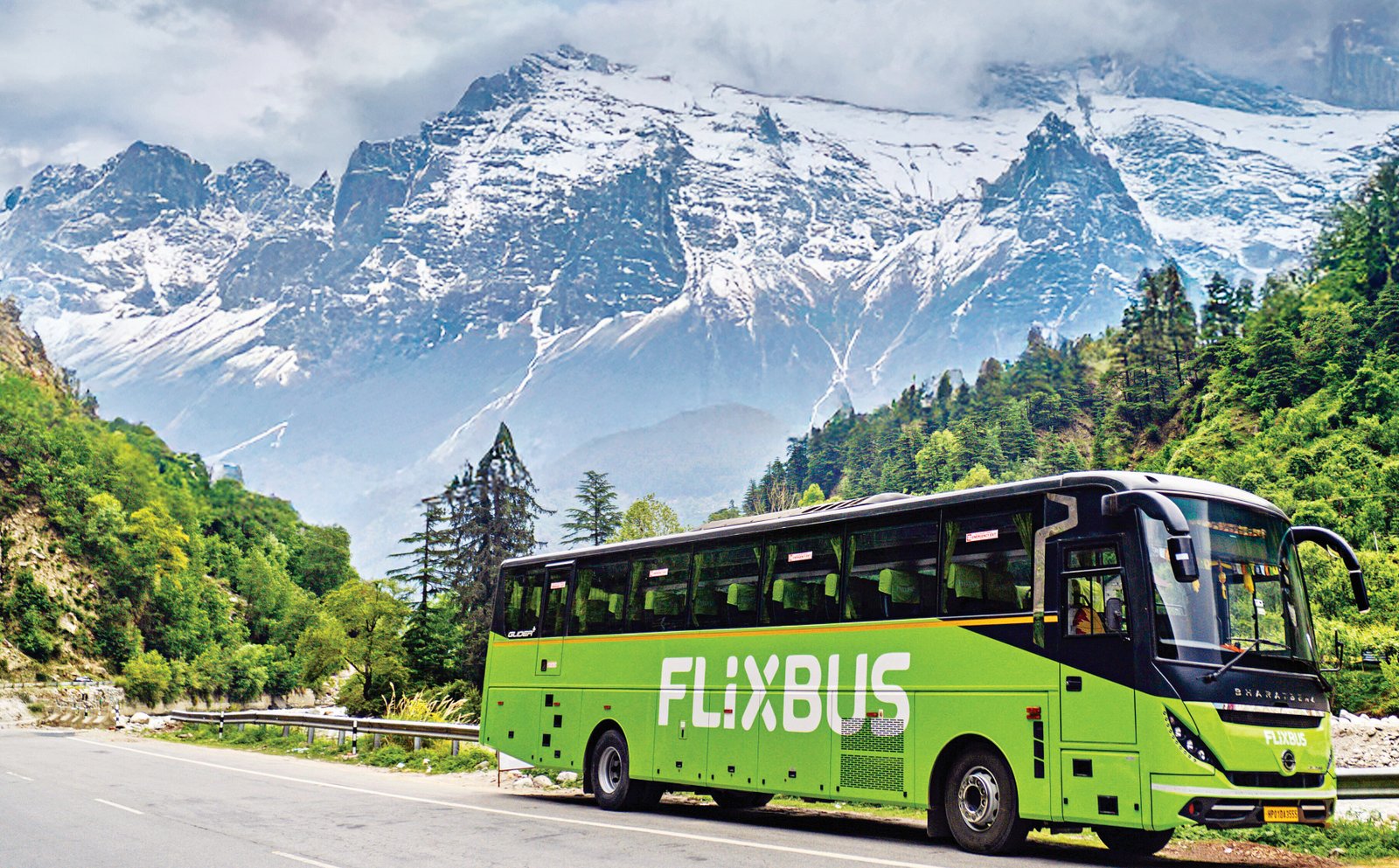
FlixBus India is reimagining intercity mobility through technology, data, and localisation, writes Ashish Bhatia.
Look in the past, and you’ll agree that intercity bus travel in India has occupied an unusual position in the country’s mobility hierarchy. It has remained indispensable, carrying millions of passengers every day across cities, towns and mofussil regions, yet it has rarely enjoyed the aspirational appeal associated with aviation or the emotional connect that railways command. For many travellers, particularly the younger generation, the bus has traditionally been viewed as the option chosen only after flights became expensive or confirmed train tickets proved elusive.
That perception, however, is beginning to change. Digital ticketing, premium coaches, connected technologies, intelligent route planning and improved passenger experiences are steadily transforming organised bus transport into one of India’s most dynamic mobility segments. As highway infrastructure improves and consumer expectations evolve, operators are increasingly competing not merely on fares but on reliability, transparency and service quality.

Few companies embody this transition better than FlixBus India. Having established itself as one of the world’s largest technology-enabled mobility platforms across more than 40 countries, the German brand entered India with a clear understanding that replicating a successful global model would not be enough. India’s operating conditions, passenger behaviour and transport ecosystem demanded something fundamentally different. A localisation strategy built around technology, partnerships and continuous learning. Surya Khurana, Managing Director, FlixBus India, explained why the company’s ambition extends far beyond selling bus tickets. “Our objective isn’t simply to operate buses. It’s to make shared mobility the preferred choice for more people. If we can encourage travellers to shift from individual vehicles towards organised public transport, our cities become less congested and, hopefully, less polluted as well,” he expressed. That philosophy underpins FlixBus’ broader mission of “Making Bus Travel Cool Again.” More importantly, it challenges a perception that has persisted for decades. Khurana believes India’s bus industry has long suffered from an image problem rather than a capability problem. For years, buses have largely been viewed as the transport option passengers choose only when alternatives become unavailable. A cancelled flight. An expensive airfare. A waitlisted railway ticket. Only then does the bus enter the conversation. “Bus travel shouldn’t be Plan C or something you choose only because you couldn’t get a confirmed train ticket or couldn’t afford a flight. It should become a preferred mode of travel in its own right,” he stressed. Changing that perception requires much more than introducing premium coaches. It demands consistency. Passengers need confidence that buses will arrive on time, boarding points will be easy to locate, journeys will be transparent, and service quality will remain predictable. In other words, the passenger experience must begin long before boarding the coach.
One of the biggest misconceptions surrounding multinational mobility companies is that successful international models can simply be replicated across markets. Khurana rejects that notion outright. Although FlixBus entered India with experience accumulated across dozens of countries, the company quickly realised that local realities required significant adaptation. “We travelled ourselves extensively, spent time at bus terminals like Kashmere Gate, spoke directly with passengers and tried to understand every stage of their journey. Several aspects simply couldn’t be solved using our global playbook,” he explained. That discovery shaped the company’s localisation strategy. Instead of forcing global technology onto Indian operations, FlixBus began redesigning customer journeys around India’s unique travel patterns. The learning process extended from booking behaviour and payment preferences to boarding infrastructure and passenger communication. It was, in many ways, an exercise in listening before scaling.
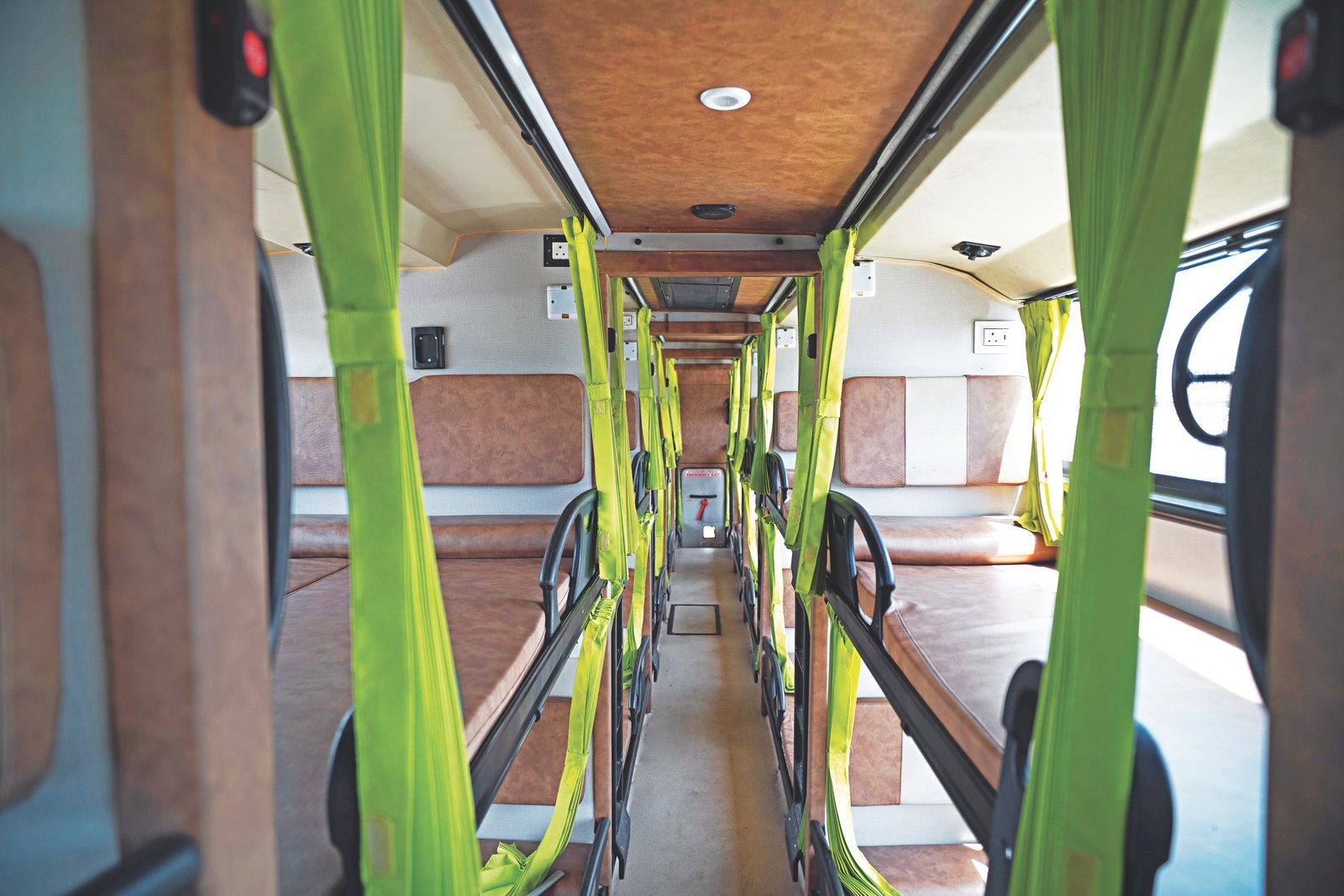
Most travellers associate mobility technology with online reservations. FlixBus sees technology very differently. For the company, digital intervention begins from the moment a customer considers travelling and continues until the passenger reaches the destination. One of the earliest challenges identified was reducing passenger anxiety before departure. Where exactly is the pickup point? Will the bus arrive on time? Which side of the road should passengers wait? How can first-time users identify the correct vehicle? Rather than relying solely on conventional SMS notifications, the company gradually introduced richer digital communication, including interactive pickup-point information, photographs, GPS-based tracking and real-time bus location updates. “We realised there was considerable anxiety before boarding. Customers wanted transparency about pricing, seating, pickup locations and arrival times. We started with simple digital solutions and gradually built real-time communication around the entire journey,” he mentioned. The result has been a more predictable travel experience, one that mirrors the digital confidence passengers now expect from airlines and app-based mobility services.
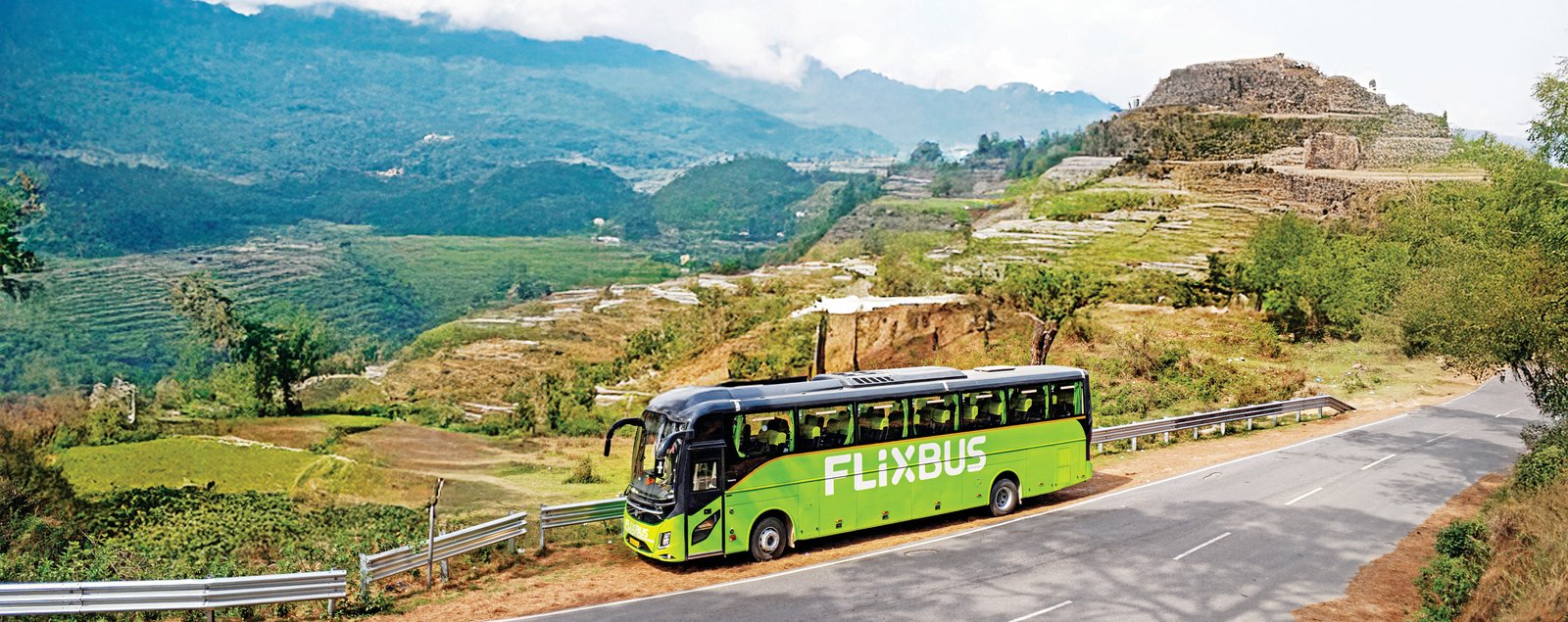
Perhaps the most interesting takeaway from the interaction was Khurana’s emphasis on localisation. Global best practices provide a foundation. They do not provide the finished solution. Take passenger communication as an example. In Europe, customers predominantly rely on web-based interactions and email communication. India presents a completely different behavioural pattern. It is a mobile-first market. Increasingly, it is also a WhatsApp-first market. Recognising this, FlixBus redesigned significant parts of its customer engagement ecosystem around mobile communication. “Many of the solutions we’ve developed in India around WhatsApp, mobile engagement and customer communication are now being adopted in other markets as well. India has actually become a source of innovation for the wider organisation,” he claimed. This reverse flow of innovation is particularly noteworthy. Rather than simply importing technology, India’s mobility ecosystem is beginning to export operational ideas to mature international markets. That reflects not only the country’s digital maturity but also its ability to innovate under complex operating conditions.
Technology, however, is valuable only when combined with feedback. One principle repeatedly surfaced throughout the conversation, that every passenger journey represents a learning opportunity. FlixBus actively captures customer feedback and integrates it into subsequent operational improvements. Passengers are encouraged to report shortcomings. Equally important, they are shown that their observations result in tangible changes. “Customers appreciate knowing that somebody is listening. When they provide feedback and notice improvements during their next journey, they feel they have contributed to making the service better,” Khurana opined. That continuous feedback loop has become central to FlixBus’ operating philosophy. Rather than assuming technology has solved every challenge, the company treats every trip as another data point in an ongoing process of refinement. In a country as diverse as India, where passenger expectations vary dramatically across regions, routes and demographics, that mindset may prove to be one of its greatest competitive advantages.
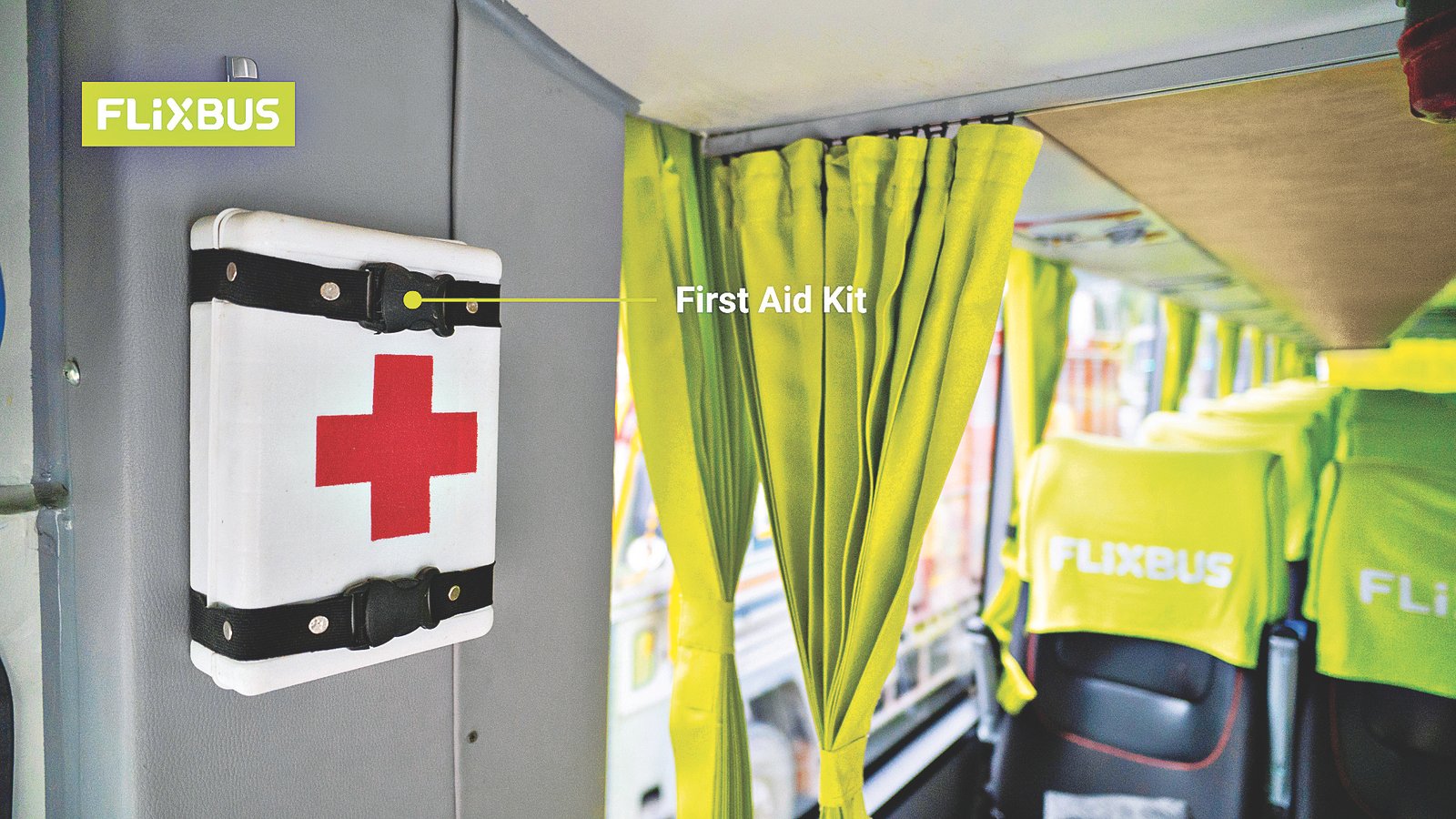
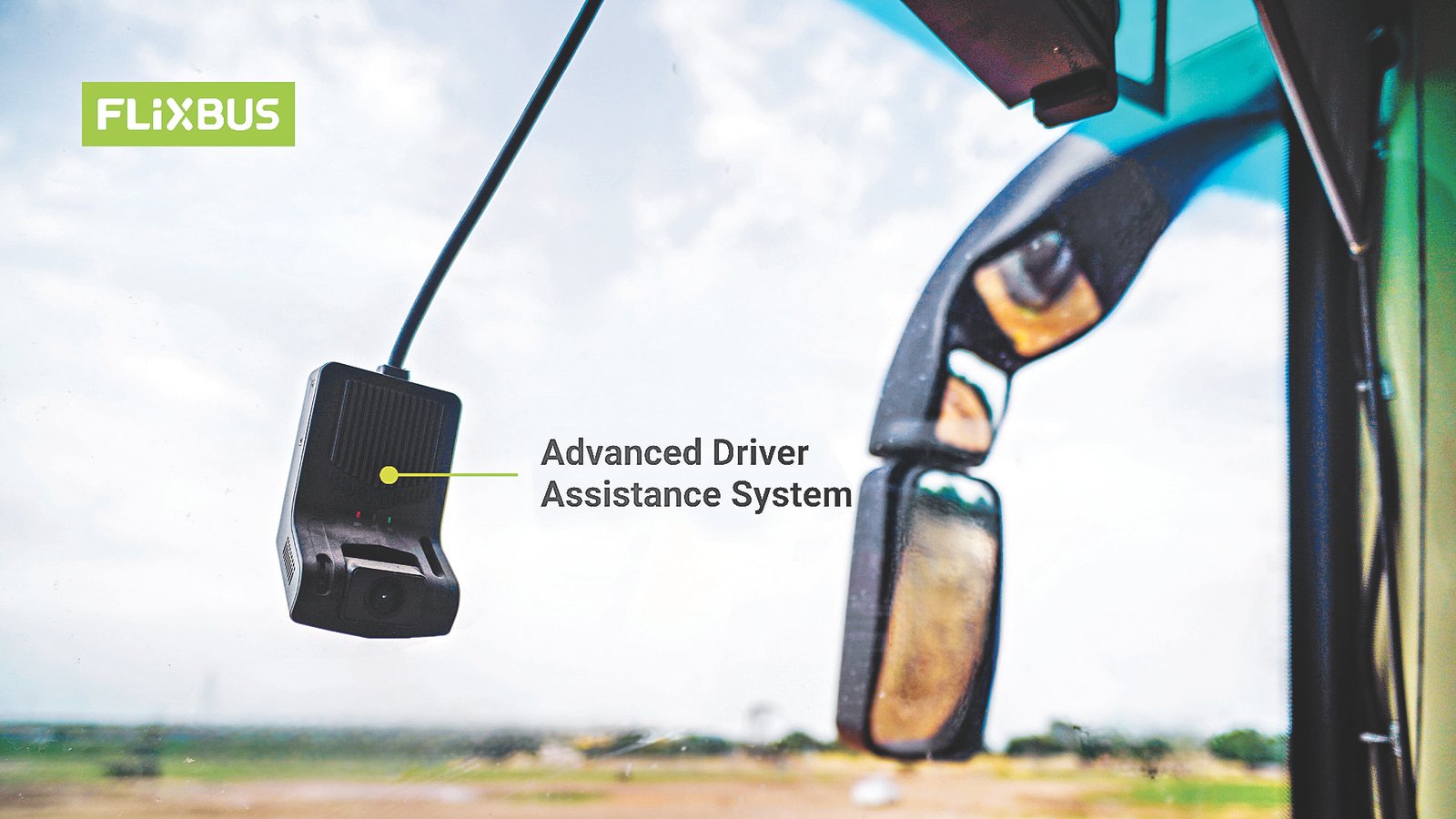
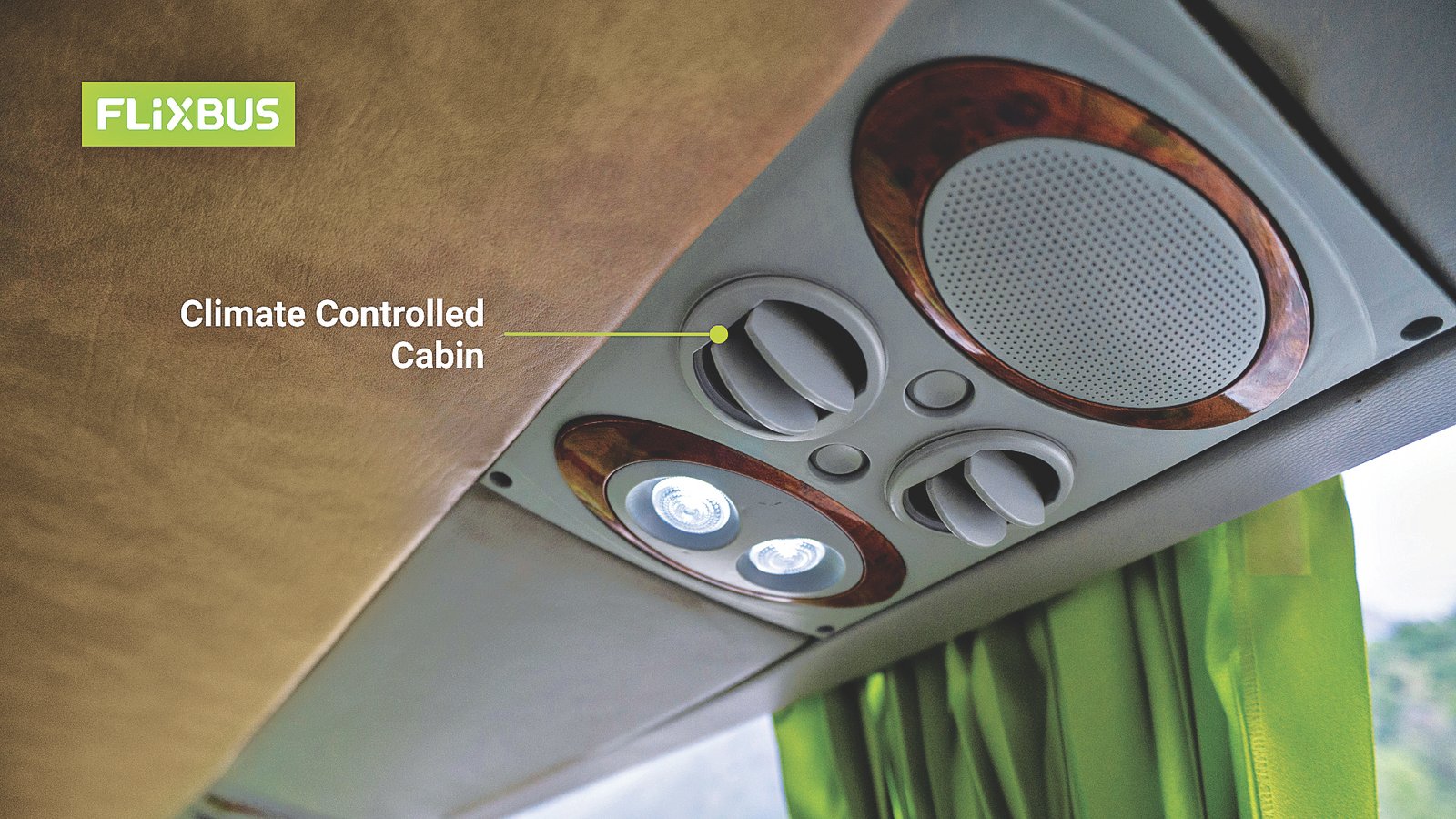
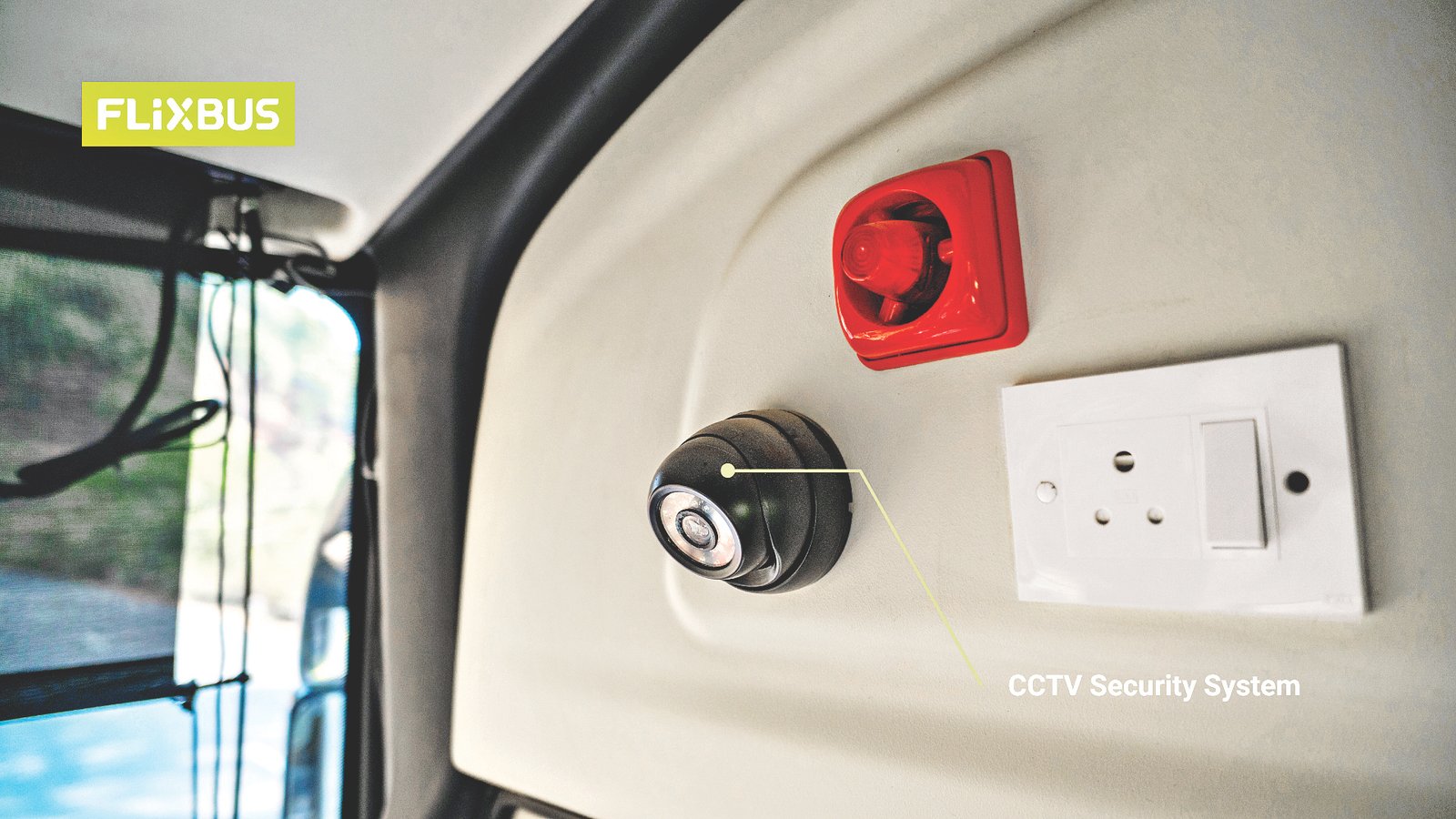
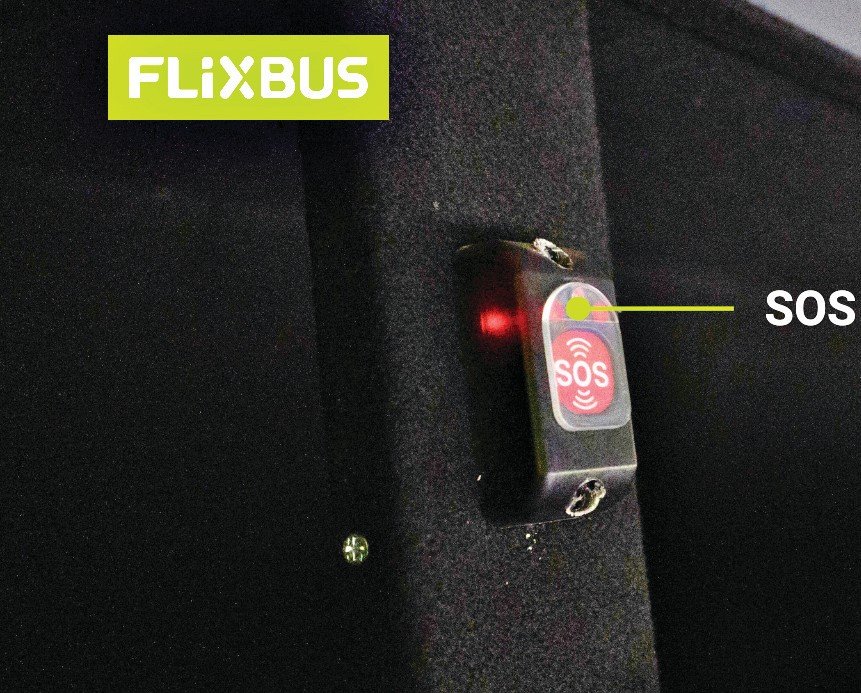
While digital customer engagement has become one of FlixBus India’s defining strengths, Surya Khurana is quick to point out that technology alone does not transform mobility. Behind every seamless booking, live bus tracker or WhatsApp notification lies a far more complex operational ecosystem that must function with airline-like precision on roads that are anything but predictable. Unlike aviation, where infrastructure is standardised and tightly controlled, India’s intercity bus industry operates in a fragmented environment characterised by varying road conditions, inconsistent boarding infrastructure and thousands of privately owned fleets. Bringing consistency to such an ecosystem, says Khurana, requires technology that extends well beyond the customer-facing application.
At the heart of FlixBus’ model lies the belief that technology should orchestrate every stage of the passenger journey rather than merely facilitate ticket sales. From allocating the right vehicle to assigning verified drivers and hosts, monitoring schedules, responding to delays and communicating disruptions, the platform functions much like an airline’s operations control centre. “We have a 24×7 traffic control team that constantly monitors operations. It isn’t only about tracking buses. It’s about ensuring the right vehicle, the right crew, verified personnel and immediate communication whenever there is a disruption. In many ways, it functions like air traffic control for buses,” he stated. That comparison is significant. While passengers often notice only the booking interface, the real competitive advantage increasingly lies in the invisible technology that coordinates thousands of operational decisions simultaneously. As organised mobility scales, this digital command centre becomes indispensable for maintaining consistency across geographically dispersed operations.
Despite rapid progress in digital mobility, Khurana believes India’s physical bus infrastructure continues to lag behind market expectations. The country’s highways have improved dramatically. Coach technology has advanced considerably. Passengers have embraced digital booking. Yet boarding infrastructure often remains inadequate. Private operators continue to face limited access to organised public bus terminals in many cities, forcing passengers to board from roadside locations or temporary parking areas. Khurana recalled witnessing situations where passengers waited in poorly lit parking lots that turned into muddy pools during the monsoon. “That first impression shapes how people perceive bus travel. Families travelling with luggage, senior citizens or women travelling alone deserve safe, clean and organised boarding environments. If the experience begins in an unstructured location, it undermines everything else we’ve invested in,” he opined.
The conversation naturally shifted towards infrastructure policy. Khurana believes one of the simplest interventions governments could make would be greater access for organised private operators to existing public bus terminals. Unlike airports or modern railway stations, bus terminals have rarely benefited from systematic investment in passenger experience. “Why should a bus station automatically imply poor lighting, congestion or inadequate facilities? If we can build world-class airports and modern railway stations, there is no reason organised intercity bus travel should not receive similar infrastructure attention,” he asserted. His observation highlights an often-overlooked contradiction. Intercity buses collectively carry more passengers than several competing transport modes, yet public investment in passenger-facing infrastructure remains disproportionately low. As India pushes towards integrated multimodal mobility, that imbalance may increasingly come under scrutiny.
One of the more interesting perspectives offered during the discussion concerns the relationship between buses and railways. Rather than viewing high-speed rail or premium trains as competition, FlixBus sees them as complementary components of the mobility ecosystem. “Coach services and railways work extremely well together. Around the world, we have seen buses acting as feeders and connectors rather than substitutes. Better rail connectivity often creates opportunities for organised bus networks as well,” he pointed out. This multimodal perspective reflects how mobility planning has evolved globally. Instead of competing mode against mode, successful transport ecosystems increasingly integrate different forms of mobility into seamless passenger journeys. For India, where transport demand continues to outpace infrastructure expansion, such integration may prove more valuable than isolated investments.
Unlike traditional fleet operators, FlixBus does not own buses. Its business model is built around partnerships with local operators, supported by technology, branding, pricing intelligence and operational systems. That model naturally raises an interesting question. As partner operators upgrade their own capabilities, does competition become inevitable? Khurana sees the relationship differently. “Our objective is to keep raising the industry’s standards. As operators improve, the entire ecosystem benefits. There will always be value in a platform that provides consistent branding, smarter pricing, network planning, marketing and technology,” he reiterated. In other words, success for FlixBus is measured not only by its own expansion but also by the capability enhancement of its operating partners. It is an ecosystem play rather than a fleet ownership strategy.
That philosophy also extends to relationships with vehicle manufacturers. Khurana was unequivocal that India’s diverse operating conditions demand multiple vehicle configurations rather than a one-size-fits-all solution. Different routes. Different passenger expectations. Different fare structures. Different operating economics. All require different products. “There isn’t one vehicle or one configuration that fits every route. Premium services, sleepers, seaters and hybrid layouts all have their place. That’s why continued research and development from OEMs is so important,” he added. The growing collaboration between technology platforms, fleet operators, body builders and chassis manufacturers is consequently reshaping how buses are designed. Rather than simply purchasing vehicles, mobility platforms increasingly influence specifications based on passenger data, route characteristics and operational analytics. That feedback loop is gradually pushing OEMs towards more application-specific product development. A trend likely to accelerate as organised intercity mobility matures, he averred.
If technology has become the backbone of FlixBus’ operating model, artificial intelligence (AI) is rapidly emerging as its nervous system. While much of the public discourse around AI in mobility focuses on autonomous driving or conversational chatbots, FlixBus is applying it in a far more immediate and practical manner. Improving safety, standardising operations and creating a data-driven quality culture across its partner network. For Surya Khurana, technology is valuable only when it delivers measurable improvements on the road.
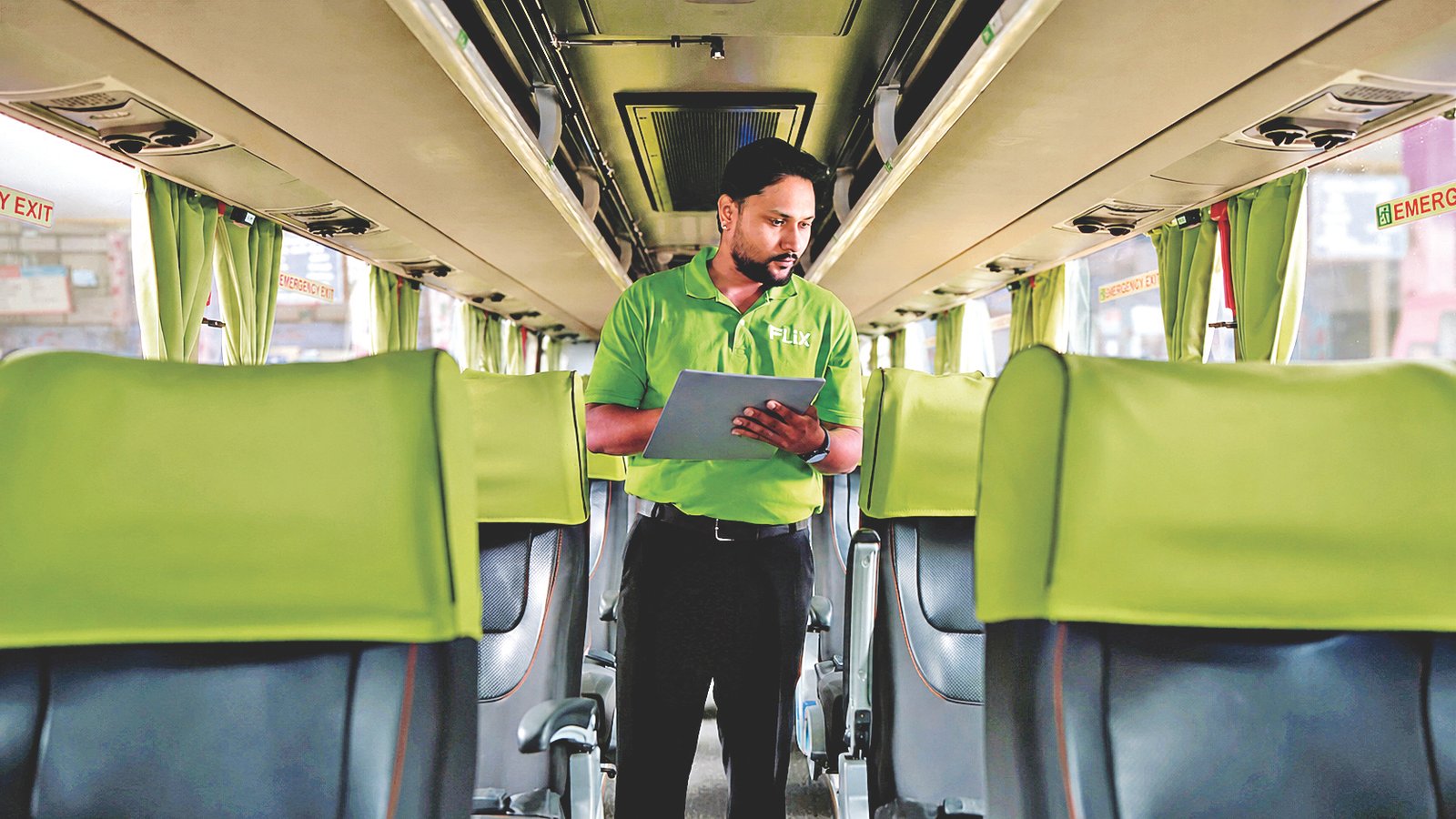
“Every few months new layers are being added to our operating model. Today, AI is helping us monitor driver behaviour, digitise inspections and build processes that simply weren’t scalable earlier,” he affirmed. The company’s emphasis on data extends well beyond vehicle operations. Pre-departure inspections, long considered one of the industry’s most routine yet critical activities, have undergone a digital transformation. Historically, inspection checklists covering essentials such as emergency exits, fire extinguishers, air-conditioning systems and vehicle cleanliness were completed manually on paper. As the network expanded, managing these records became increasingly cumbersome. Today, those inspections are digitised and cloud-enabled. “What earlier happened through physical sheets is now being captured digitally. That allows us to analyse quality data at scale and share structured reports with our operating partners,” he mentioned.
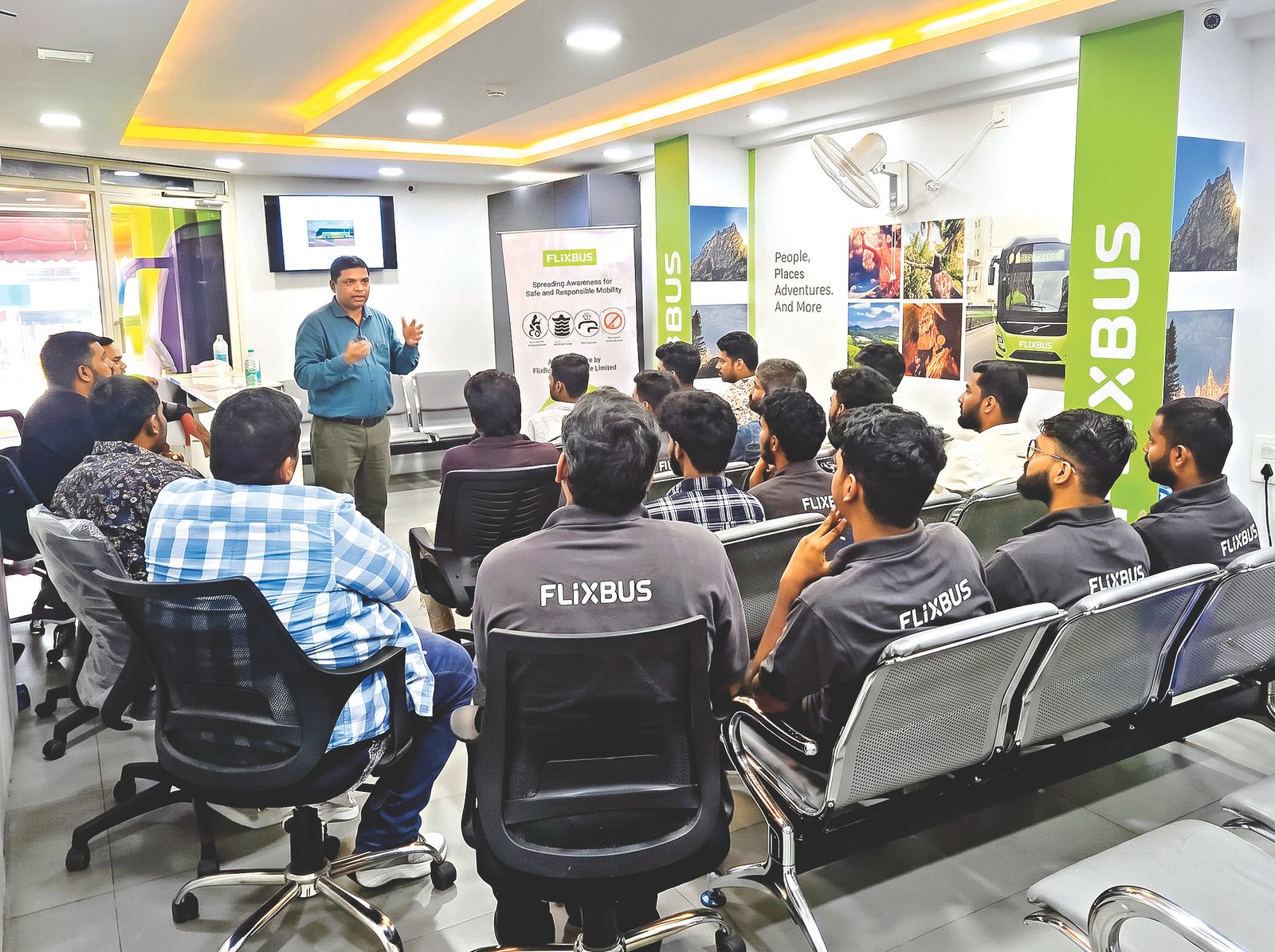
Despite the company’s technology-first identity, Khurana remains clear that sustainable growth depends equally on people. Drivers, hosts, coordinators, ground teams, all require continuous capability enhancement. FlixBus has consequently expanded training beyond routine operational procedures to include emergency response, safety awareness and service delivery. Certified trainers now work across the network to ensure that technology is supported by human capability. The emphasis reflects a broader understanding that digital platforms cannot replace operational discipline. They can only amplify it.
While FlixBus has rapidly established a presence across northern, western and southern India, Khurana believes the company is still at the beginning of its growth journey. The first phase, he explains, has focused on building density across existing corridors, adding frequencies, introducing differentiated products and strengthening operations across Tier-I and Tier-II cities. The second phase involves expanding deeper into underserved regional markets, where organised intercity mobility remains limited despite strong demand. The third phase is perhaps the most ambitious. It envisions an integrated national network in which passengers can seamlessly book multi-leg journeys across the country through a single digital platform. “Our long-term vision is that somebody should be able to open the app, type Srinagar to Kanyakumari and receive a connected itinerary. We already do this successfully in Europe. As the Indian network matures, we believe that vision becomes achievable here as well,” he expressed hope. The comparison with Europe is deliberate. Although India’s regulatory environment and cultural diversity are considerably more complex, both regions comprise multiple jurisdictions with distinct transport ecosystems. Successfully integrating those networks requires sophisticated route planning, scheduling algorithms and technology capable of optimising thousands of interconnections.
An equally important pillar of FlixBus’ strategy lies in its collaboration with bus manufacturers and body builders. Unlike traditional fleet owners, the company evaluates vehicles not merely on specifications but on route-specific performance. Different operating environments require different solutions. Premium overnight corridors. Business travel routes. Long-distance sleepers. Short-haul seaters. Each demands a unique product configuration. “We don’t believe one vehicle can satisfy every requirement. Different routes require different products, and that’s where OEMs have made significant progress through focused research and development,” he emphasised.
Khurana also highlighted improvements in vehicle engineering, from better materials and new powertrain options to enhanced passenger comfort as evidence of the industry’s increasing maturity. Yet one area remains particularly important. Fuel efficiency. With operating costs continuing to exert pressure on fleet economics, incremental improvements in kilometres per litre have the potential to reshape business viability across organised bus operations. For Surya Khurana, that transformation is ultimately the company’s defining mission. Not simply to move more people. But to fundamentally change how India thinks about travelling by bus.