

India’s automotive and mobility ecosystem is racing to decouple from rare earth import dependence, writes Ashish Bhatia.
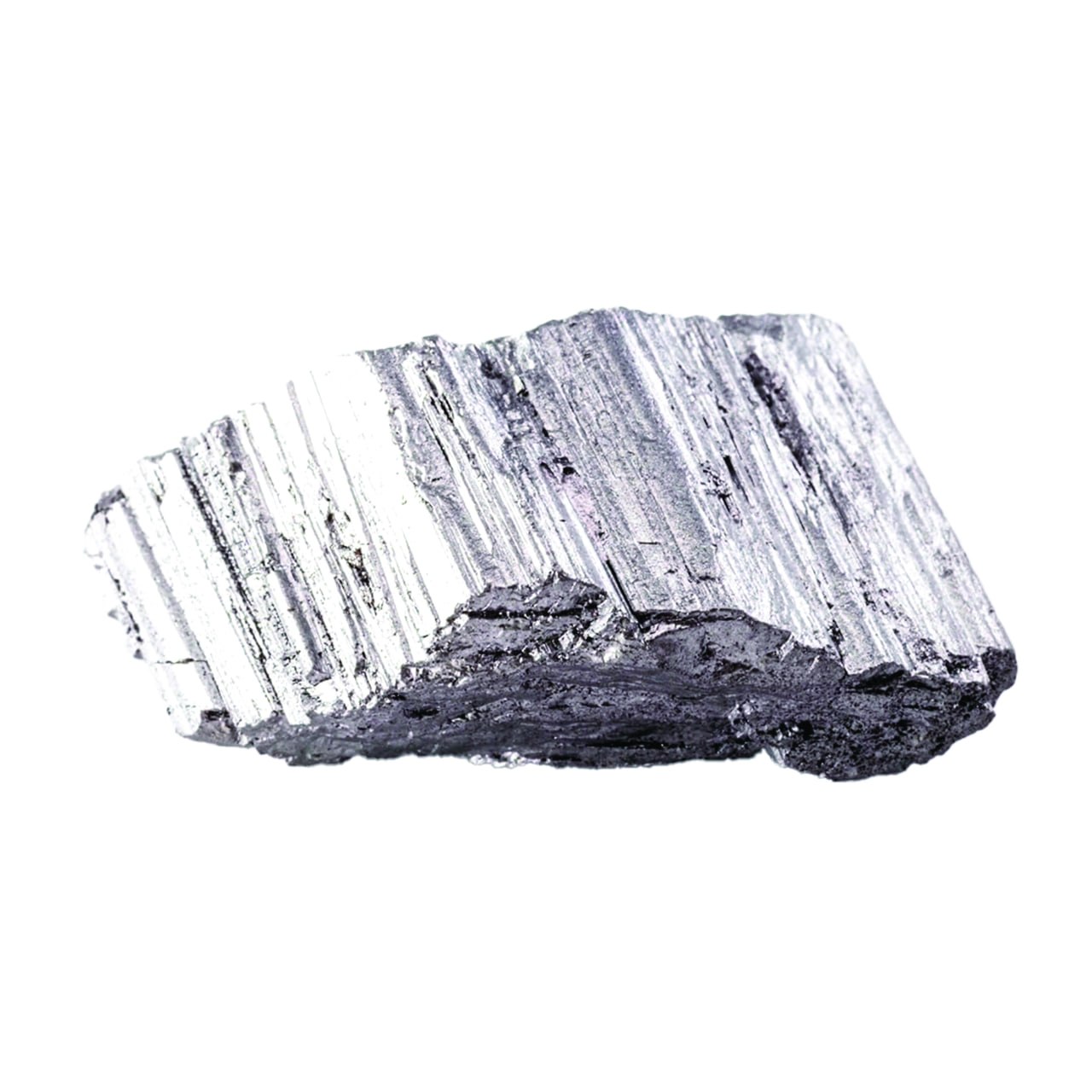
Rare Earth Elements (REEs) have quietly become one of the most decisive inputs shaping the future of the global automotive and mobility industry. Once viewed as niche materials relevant primarily to defence and electronics, rare earths today sit at the heart of electric motors, sensors, actuators, power electronics and precision systems that define modern vehicles. For India, the urgency around rare earth independence intensified sharply in 2024–25, when China tightened export controls on select rare earth elements and permanent magnet technologies. While framed as regulatory oversight, the move sent an unmistakable signal across global supply chains. Dependence on a single geography for critical materials is no longer sustainable. What followed was not panic, but recalibration. The Government of India, industry bodies, auto component suppliers and OEMs began aligning around a shared objective of decoupling India’s automotive growth from rare earth import vulnerability. This moment has become a structural inflexion point, not just for electric vehicles, but for the entire construction, commercial vehicle and industrial mobility ecosystem.By imposing export licensing and end-user certification requirements, China effectively reminded the world that control over processing is more powerful than control over reserves. Indian auto suppliers and OEMs, many of whom source finished magnets or magnet-integrated subassemblies, found themselves navigating uncertainty around lead times, approvals and availability. Senior industry leaders described the situation on professional platforms as a “strategic stress test” for India’s manufacturing ambitions
India’s Policy Response
India’s policy response marked a clear shift from awareness to execution. At the centre is the National Critical Mineral Mission, which recognises rare earths as strategic resources essential to economic security, clean energy and advanced manufacturing. The mission focuses on domestic exploration and processing, as well as downstream manufacturing, recycling and circular supply chains, besides International partnerships for upstream access. A defining moment came with the Cabinet’s approval of a Rs. 7,280 crore scheme to promote domestic manufacturing of Sintered Rare Earth Permanent Magnets. The objective is to establish 6,000 tonnes per annum of integrated REPM capacity in India. Announcing the initiative, Ashwini Vaishnaw, Union Minister for Electronics & IT, stated via an official release, “Reducing import dependence in critical components is essential for India’s manufacturing competitiveness and strategic autonomy.”
Why Rare Earths Matter More Than Ever
Rare earth elements such as neodymium, praseodymium, dysprosium and terbium are essential for sintered Rare Earth Permanent Magnets (REPMs). These magnets enable:l High-efficiency traction motors in EVs and electric busesl Compact, high-torque motors in construction and mining equipmentl Electric power steering systemsl Regenerative braking and auxiliary drive systemsl Sensors, actuators and control modulesAs the industry shifts toward electrification and higher levels of automation, Permanent Magnet Synchronous Motors (PMSMs) have become the preferred solution due to their power density, efficiency and packaging advantages. However, this technological preference has created a strategic exposure. While India has made meaningful progress in localising vehicles, electronics and even motors, magnet manufacturing and rare earth processing remain overwhelmingly import-dependent.l China’s role in the rare earth value chain is not accidental. Over the decades, it has built:Dominance in rare earth miningl Near-monopoly control over separation and refiningl Over 90 per cent share in global REPM manufacturing capacity
The scheme provides capital support for integrated facilities, sales-linked incentives to ensure commercial viability and competitive bidding to attract credible technology partnersFor the automotive sector, this is the first policy framework that directly addresses the magnet bottleneck in EV and CEV localisation. The role of SIAM and ACMA has been central in translating policy into industry momentum. SIAM has consistently emphasised that rare earth security is now a production risk, not a theoretical concern. OEMleadership has highlighted the need for near-term supply continuity, medium-term localisation pathways and long-term design flexibility. ACMA, representing India’s auto component manufacturers, has framed rare earth localisation as a competitiveness lever. According to Vinnie Mehta, Director General, ACMA, shared through industry forums, “Domestic REPM manufacturing enables deeper localisation of motors and e-axles, strengthens export readiness, and reduces exposure to geopolitical disruptions.” This alignment has helped shift the narrative from crisis management to ecosystem building.For component suppliers, rare earth independence is forcing structural change. Manufacturers of motors, steering systems, braking modules and power electronics are pursuing parallel strategies. Reducing rare earth intensity through design optimisation. Exploring alternative motor technologies where feasible. Investing in magnet recycling and recovery, and building internal capabilities for magnet assembly and integration. Senior supplier leaders have noted that total elimination of rare earths is unrealistic in the short term, but design-led de-risking is achievable. As one Tier-1 executive put it on LinkedIn, “Rare earth independence will come from product intelligence, not isolation.”
Rare Earths Enter Platform Strategy
OEMs are now integrating rare earth considerations into platform and sourcing decisions. This marks a shift from transactional procurement to ecosystem orchestration, where long-term supplier partnerships matter more than spot sourcing. Motor architecture decisions account for material availability, and lifecycle risk becomes a board-level consideration. This mirrors earlier transitions seen during BS-VI and EV localisation phases, where OEMs moved upstream to stabilise supply chains. China’s strategy is vertically integrated, from mining to magnets. Export controls reinforce its leverage, ensuring domestic industry advantage while shaping global supply behaviour. The US approach, driven by the Inflation Reduction Act (IRA) and Defence Production Act, relies on heavy subsidies, strategic stockpiling and partnerships with allies like Australia. The focus is on onshoring and friend-shoring, often at a higher cost. The EU’s Critical Raw Materials Act emphasises recycling, diversification and sustainability. Europe aims to cap dependence on any single country while encouraging circular supply chains, though scale remains a Global Comparisonschallenge. India’s approach stands out with competitive manufacturing economics. Policy-backed capacity creation. Strong domestic demand base and growing engineering capability. Rather than matching China’s dominance or the US’s subsidy intensity, India is positioning itself as a credible alternative manufacturing hub for magnets and downstream systems. China’s export controls may have triggered the urgency, but India’s response reflects a deeper strategic reset.