

Premium buses, disciplined logistics, stronger branding and customer-centricity are shaping the next phase of growth for one of India’s most recognised transport groups, writes Ashish Bhatia.
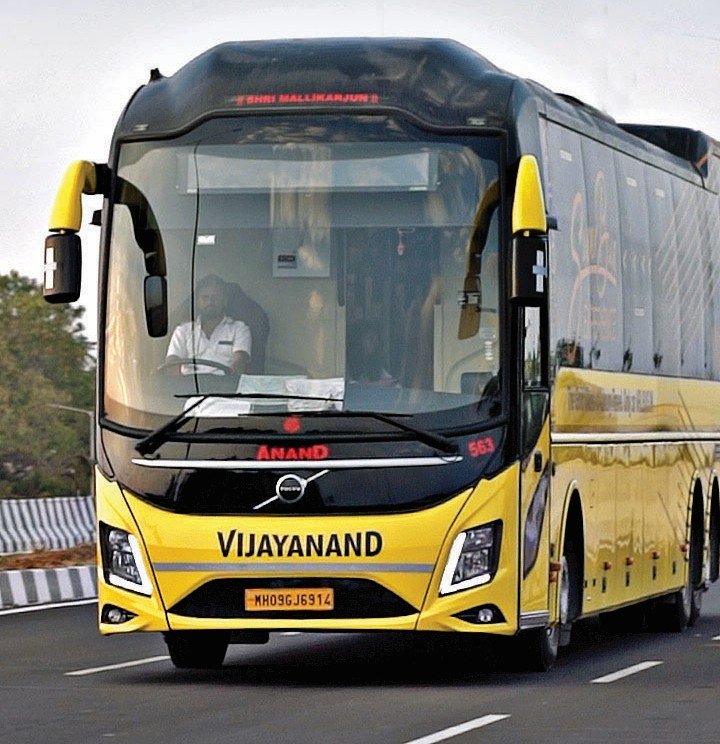
Few names command the kind of trust in Indian road transport that the VRL Group does. Having completed 50 years in logistics while Vijayanand Travels approaches its 30th anniversary, the organisation has evolved from a regional transport operator into one of India’s largest integrated logistics and passenger mobility groups. Yet, despite its scale, the group’s expansion strategy remains rooted in a philosophy of measured growth, customer satisfaction and long-term asset ownership. Shiva Sankeshwar, Director, VRL Logistics Ltd. and Managing Director, Vijayanand Travels, outlined how the group is preparing for its next phase of growth. From expanding its premium coach fleet and strengthening the logistics business to investing in workshops, digital branding and driver welfare, the organisation is building on its legacy without losing sight of operational discipline.
The biggest talking point surrounding Vijayanand Travels has been its aggressive induction of Volvo 9600 coaches, marketed under its Gold Class premium offering. While industry observers wondered whether the latest procurement marked the end of the buying cycle, Sankeshwar made it clear that the expansion is only beginning. “The spree continues,” he revealed. “This is probably the first time I am saying this publicly. There have been a lot of questions on social media from our followers asking whether more Volvo 9600s are coming. Very soon, within the next month, we have placed another very large order. I cannot reveal the numbers yet because we may have a formal announcement, but yes, something big is coming,” he said
The strategy reflects the group’s confidence in India’s rapidly expanding premium intercity travel segment, where travellers increasingly value comfort, reliability and differentiated onboard experiences over simply reaching their destination. According to Sankeshwar, the Volvo 9600 has consistently delivered on customer expectations since its induction into the fleet. “From day one, when we introduced the Volvo 9600 as our Gold Class luxury travel product, the response has been extremely encouraging. Today, we are very strong across our existing routes and states, but we plan to scale further, enter new markets, add more routes, and continue enhancing the passenger experience. We are even introducing onboard washrooms in these buses,” he informed. Despite its growing affinity for premium coaches, the company has no intention of becoming a single-brand fleet operator. “We have always believed in diversification,” Sankeshwar explained. “We cannot depend entirely on one platform. Different routes have different customer expectations and different pricing requirements. Some markets perform well with premium air-conditioned services while others continue to prefer conventional offerings. We therefore operate a mix of vehicles from multiple OEMs,” he remarked. While premium buses account for approximately 40 per cent of the company’s passenger revenue, the remaining business continues to come from a carefully balanced portfolio catering to different customer segments. That diversification, coupled with disciplined asset management, has enabled the company to remain profitable while continuing to invest aggressively.
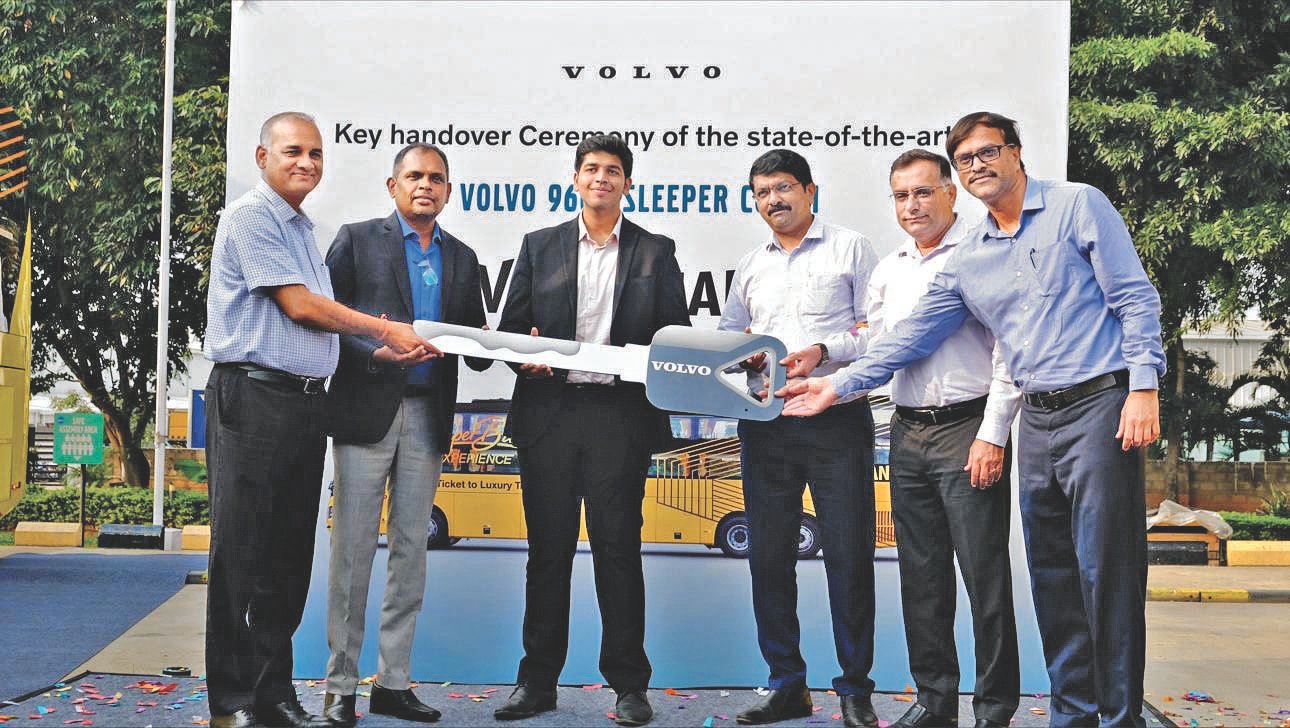
As a third-generation leader, Sankeshwar acknowledged that the values established by the group’s founders continue to influence every strategic decision. “I have been fortunate to inherit the values established by my grandfather and my father. They always believed that customer satisfaction comes before revenue and profit. That philosophy continues today,” he expressed. Many practices now considered standard within the industry, including dedicated seating options for women, ethical operating standards and emphasis on passenger safety, were introduced by the group long before they became mainstream. “Customer satisfaction is not an isolated objective. It depends on everything working together. Safety, ethics, service quality and employee satisfaction. That consistency over decades is what has compounded into customer trust,” he added.
Logistics remains equally important
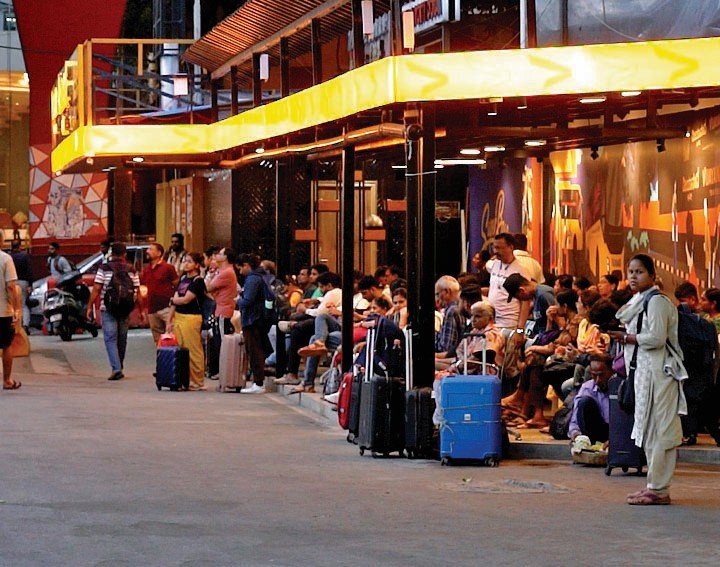
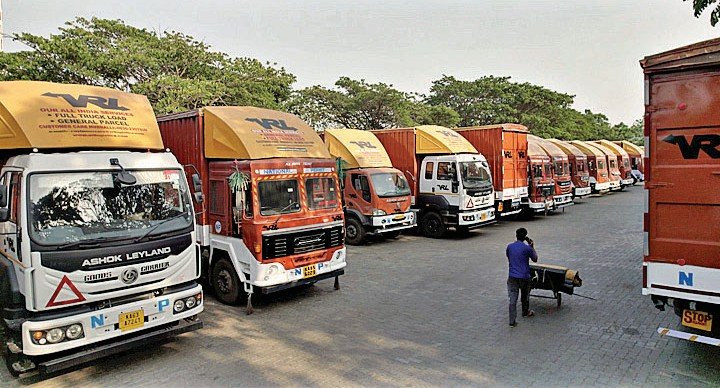
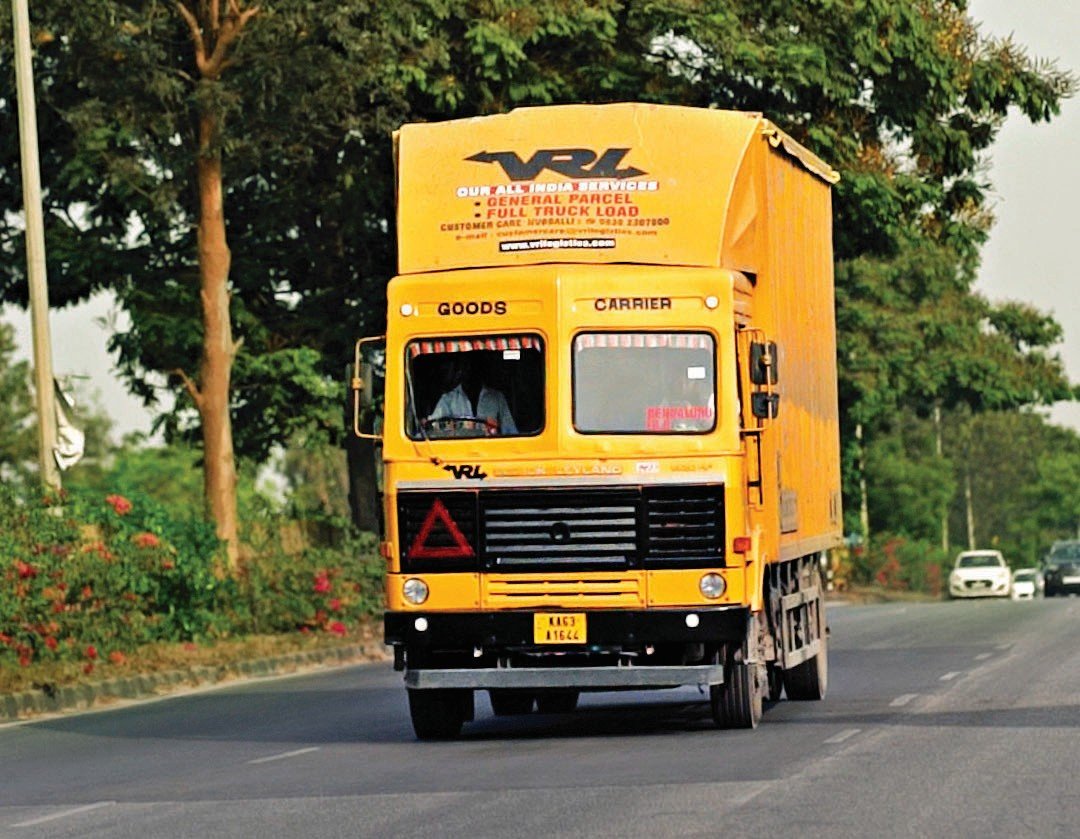
Although Vijayanand Travels has captured public attention with its premium coach expansion, Sankeshwar emphasised that the logistics business remains equally central to the group’s future. “We do not believe in prioritising one business over another. Both logistics and passenger transport are equally important to us,” he emphasised. The logistics business has undergone significant portfolio optimisation over the past two years. “We consciously exited several loss-making customers in logistics. We are adding new agents, inducting fresh trucks and expanding the network. Today, both businesses are performing well,” he added. Rather than chasing topline growth at any cost, the organisation continues to focus on profitability, operational stability and sustainable expansion.
Unlike many fleet operators that increasingly rely on outsourced maintenance or comprehensive annual maintenance contracts, VRL follows an asset-heavy ownership philosophy. “The day I decide to own the asset, I also become responsible for maintaining it,” Sankeshwar observed. While OEMs continue to support the business, the company believes preventive maintenance remains its own responsibility. “Preventive maintenance cannot begin after the vehicle becomes old. It starts from the day the vehicle enters service. We have structured workshop systems, preventive maintenance schedules, job card processes and fixed inspection intervals,” he stated.
This philosophy has also translated into significant investments in workshop infrastructure. A notable example is the acquisition of nearly three acres in Bengaluru for a dedicated maintenance facility capable of servicing approximately 150 buses operating in the region. “Maintaining vehicle health is similar to maintaining personal health. Visiting a doctor repeatedly is not the objective. Preventive care is,” he quipped. The approach has helped the group maximise utilisation while extending vehicle life cycles. Perhaps the most refreshing aspect of the discussion was Sankeshwar’s repeated emphasis on drivers. While much of the industry speaks about passenger experience, VRL believes that service quality begins with those behind the wheel.
“We handle nearly 12,000 drivers across our logistics business. Driver welfare is therefore fundamental to us,” he said. The company has developed mechanisms to address driver grievances while also investing in rest facilities, food, performance-linked incentives and recognition programmes. “You have to think from their perspective. You cannot only think through targets and numbers. We balance performance incentives with empathy because long-term sustainability depends on keeping drivers motivated,” he opined. The philosophy reflects a growing realisation within the industry that driver retention is becoming just as important as fleet expansion.
One of the more visible changes under Sankeshwar’s leadership has been VRL’s modern branding strategy. The company has embraced social media not merely as a promotional platform but as a storytelling medium that celebrates drivers, showcases new vehicle inductions and connects with younger audiences. “One of the first questions I asked after joining was why new buses could not be celebrated through high-quality videos and modern digital storytelling. Why should buses not look aspirational?” he recalled. Equally significant has been the company’s effort to reposition drivers as brand ambassadors. “Drivers are often overlooked in India. We wanted to give them the recognition they deserve because they represent our brand every single day,” he shared. The strategy appears to have resonated well beyond the transport sector, with Sankeshwar noting that digital campaigns from mobility and delivery platforms have drawn inspiration from VRL’s approach.
In an era where many transport companies chase rapid expansion, Sankeshwar remains firmly committed to measured growth. “This year we completed fifty years in logistics, and next year we complete thirty years in travel. Customer satisfaction, employee satisfaction and business stability remain equally important,” he emphasised. That philosophy perhaps best explains why VRL has remained one of India’s most respected transport brands despite changing market cycles. The company continues to invest, but only where it believes value can be sustained over decades rather than quarters. The Indian intercity mobility landscape is entering a new phase. Rising disposable incomes, improved highways, expanding tourism and greater customer expectations are pushing operators to rethink the travel experience. Simultaneously, the logistics sector is becoming more organised, technology-driven and quality-conscious. VRL appears determined to capitalise on both trends. The imminent induction of another large batch of premium coaches, continued investment in logistics assets, workshop infrastructure and digital engagement signal an organisation that is confident without being complacent