

India’s commercial vehicle industry is at a pivotal point of transformation, fundamentally reshaping the future of mobility and logistics, writes Mr Aniruddha Kulkarni, Vice President and Head – Engineering, Tata Motors Ltd.
Traditionally, success in this sector has been determined by factors such as payload capacity, fuel efficiency, and the Total Cost of Ownership (TCO). While these elements are still important, changes in operating conditions, the expansion of high-speed highway infrastructure, increasing average cruising speeds, and more complex logistics networks have made vehicle safety a critical priority in engineering, operations, and business.
Industry data shows that thousands of truck drivers lose their lives each year in road accidents across India. In addition, commercial vehicle accidents account for a significant number of fatalities among other road users, including two‑wheeler riders, pedestrians and passenger vehicle occupants. These realities highlight the urgent need for a comprehensive, systemic and engineering‑led approach to commercial vehicle safety.
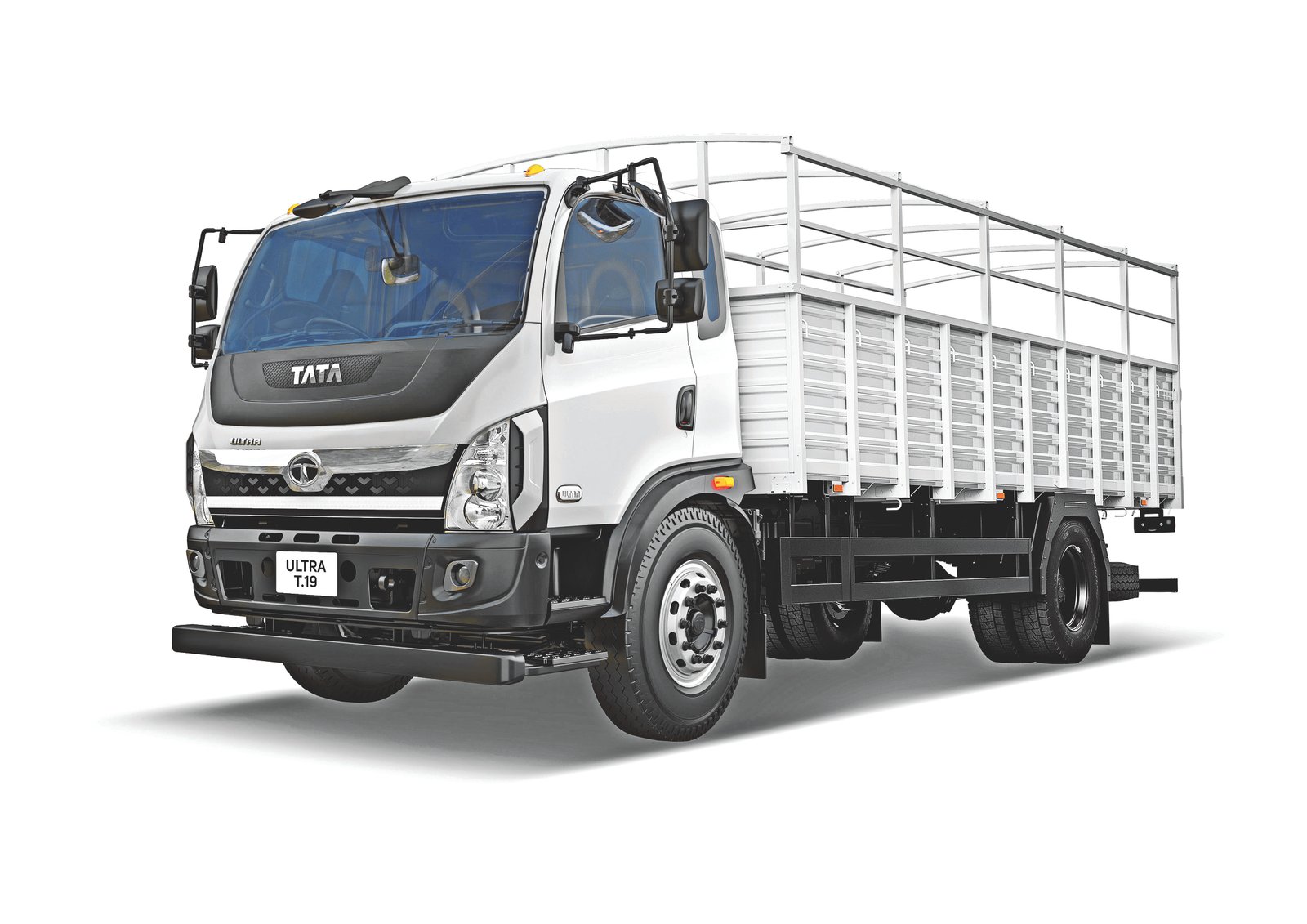
As an industry leader, Tata Motors is committed to delivering the safest, future‑ready trucks for India. Safety is a core product attribute, integrated seamlessly into vehicle concept design, engineering and rigorous validation processes. In line with this vision, the Commercial Vehicle Engineering team at Tata Motors is driving an ambitious roadmap to develop a portfolio of “Safest Trucks in India” that deliver real-world accident protection. This is enabled through an integrated safety framework that combines Advanced Driver Assistance Systems (ADAS) with robust passive safety engineering. This approach delivers holistic protection not only for commercial vehicle occupants but also for vulnerable road users, including pedestrians, two‑wheelers, passenger cars and other light vehicles.
Tata Motors’ comprehensive approach to product safety is built on four core pillars – ADAS, Structural Crashworthiness, Occupant Restraint Systems, Electric & alternative fuel vehicle safety. This establishes a strong foundation for Tata Motors to redefine safety, responsibility and trust as the company shapes the future of mobility.

Aniruddha Kulkarni, Vice President and Head Engineering, Tata Motors Ltd.
Advanced Driver Assistance System – Preventing Incidents Before They Occur
Passive safety systems protect occupants once a crash occurs, while active safety focuses on preventing accidents or mitigating the accident severity. With rising freight speeds and more challenging operating conditions, ADAS are becoming a necessity rather than an option. Today’s modern trucks integrate advanced ADAS technologies such as Autonomous Emergency Braking System (AEBS), Lane Departure Warning System (LDWS), Blind Spot Information System (BSIS), Moving‑Off Information System (MOIS) and Driver Monitoring Systems. Together, these systems help prevent accidents, reduce impact severity when collisions are unavoidable, and compensate for human limitations, making ADAS a critical safety enabler in modern trucking.
In India, the development of ADAS systems for commercial vehicles is a very challenging task, especially in the context of India’s unique traffic conditions such as dense traffic situations, a variety of vehicle types on roads, overloaded trucks, changing road infrastructure, and drivers from vastly different backgrounds and diverse demographics.
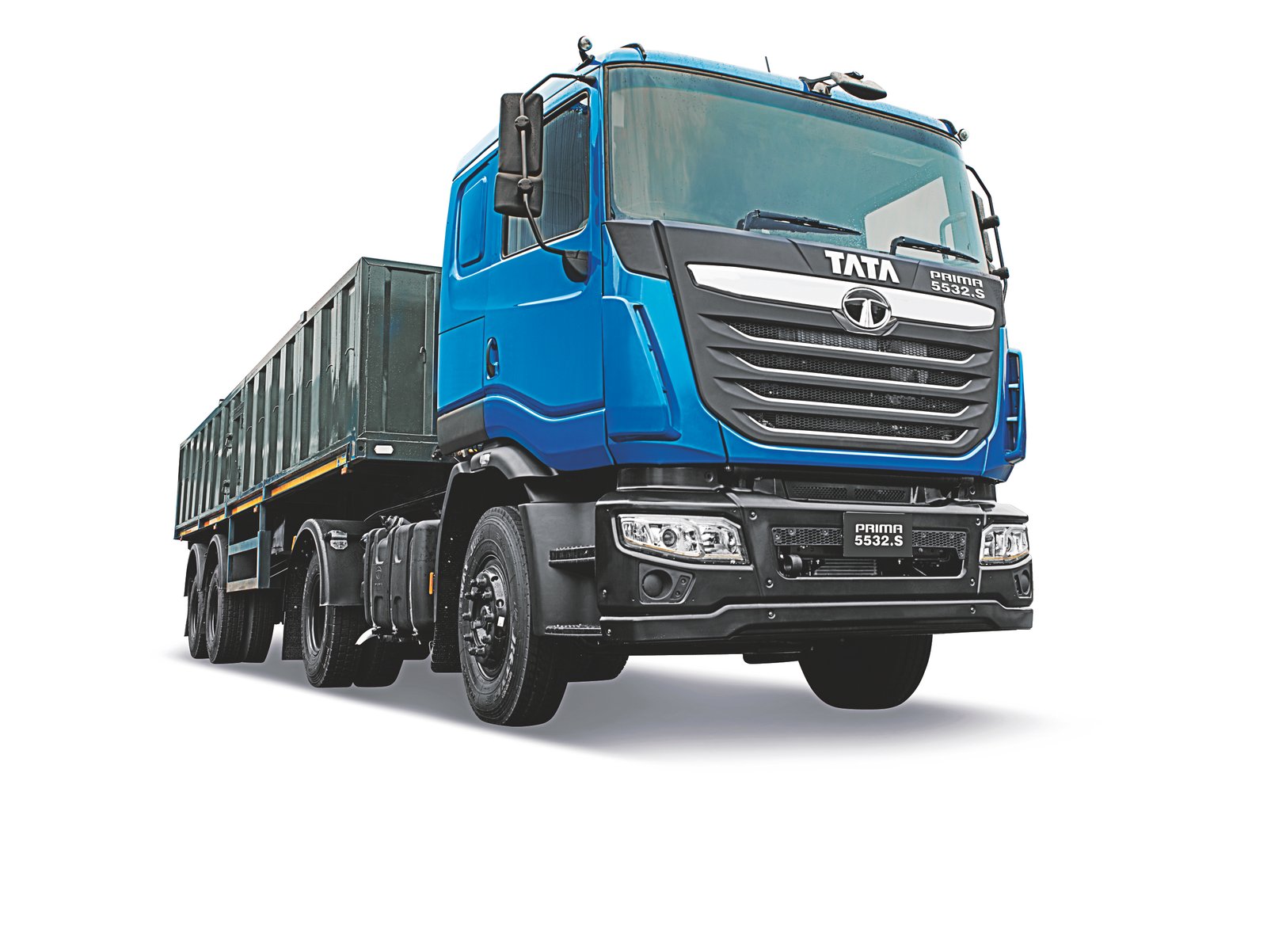
Tata Motors ADAS and ECE R29.03 certified trucks represent a strategic step forward, introducing advanced active and passive safety features specifically adapted to Indian road conditions. The new features not only address the rising demand for smarter transportation but will also play a transformative role in making roads safer, along with enhancing driver comfort and making India’s logistics sector more efficient.
Structural Crashworthiness – The Cornerstone Of Passive Safety
Structural crashworthiness for trucks is the ability of the vehicle structure to absorb impact energy and manage crash forces in a controlled manner, preserving occupant survival space and minimising injury to vehicle occupants during an accident. In India, the basic requirements for truck structural crashworthiness are defined by the AIS‑029 standard. However, Tata Motors went well beyond minimum passive safety regulations by aligning its entire truck portfolio with the highly stringent European ECE R29.03 cabin safety standards, setting a new benchmark for structural safety in Indian commercial vehicles. Insights from Indian road accident data have further shaped rigorous, full‑vehicle “due care” crash tests, now embedded in the company’s internal validation standards.
Occupant Restraint Systems – Protecting The Driver When It Matters The Most
During an accident, the Occupant Restraint System enhances the passive safety of vehicle occupants by intelligently controlling occupant kinematics and impact forces, ensuring effective occupant protection across a wide range of frontal and side collision scenarios. This includes seat belts engineered for commercial vehicle duty cycles, seat structures that manage energy transfer during impacts, and restraint system geometries optimised for diverse driver physiques. During an accident, the occupant restraint system adds significant value for occupant protection, ensuring the occupant remains protected within the vehicle’s survival space.
Integrating The Safety Layers: The Holistic Development Approach
Truck safety is never the outcome of a single feature. The highest levels of protection are achieved when robust vehicle structures, effective occupant restraint systems and ADAS work together as an integrated safety system. This philosophy shapes our engineering roadmap, guiding decisions such as adopting global safety standards, applying India‑specific accident insights, scaling active safety and ADAS across the portfolio, and embedding driver‑centric, connected solutions. Connected vehicle platforms such as Tata Motors Fleet Edge deliver actionable insights into driving behaviour, vehicle health, and route‑specific risks, enabling fleets to proactively intervene before issues escalate. Product safety therefore evolves into a proactive data‑driven function that continually improves over time.
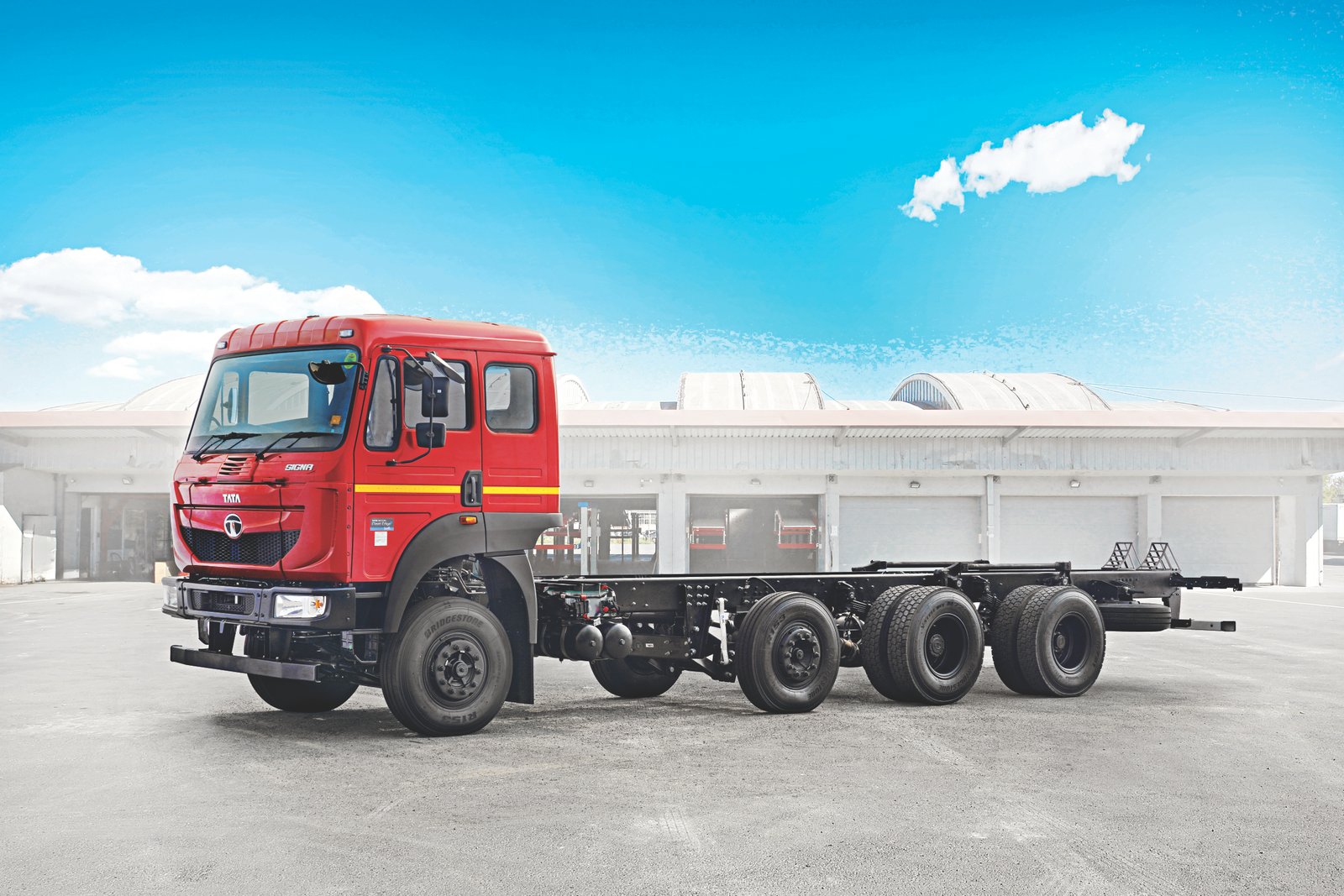
Driving India’s Logistics Future, Safely
As India builds faster transport corridors and integrated logistics networks, expectations from commercial vehicles are increasing. Reliability, higher uptime, and lower risk are therefore becoming key factors driving customer preference for safer and more dependable trucks.
Reducing road accidents and the resulting fatalities requires shared responsibility across the entire road‑safety ecosystem. Automotive OEMs must engineer safer vehicles; policymakers and governments need to enforce robust regulations and invest in safer road infrastructure. Drivers must be well trained and safety-conscious; emergency medical systems need to provide rapid and effective post‑crash care in the golden hour. Meaningful and sustained progress in road safety is possible only when all stakeholders act together. At Tata Motors, the commitment is unwavering to engineer trucks that safeguard the people who keep India moving. Safety stands as a foundational pillar of India’s mobility transformation.