

Evolving regulations and growing economic pressures brought Maharashtra’s app-based transport system to a critical point in 2025, writes Sahil Kesari.
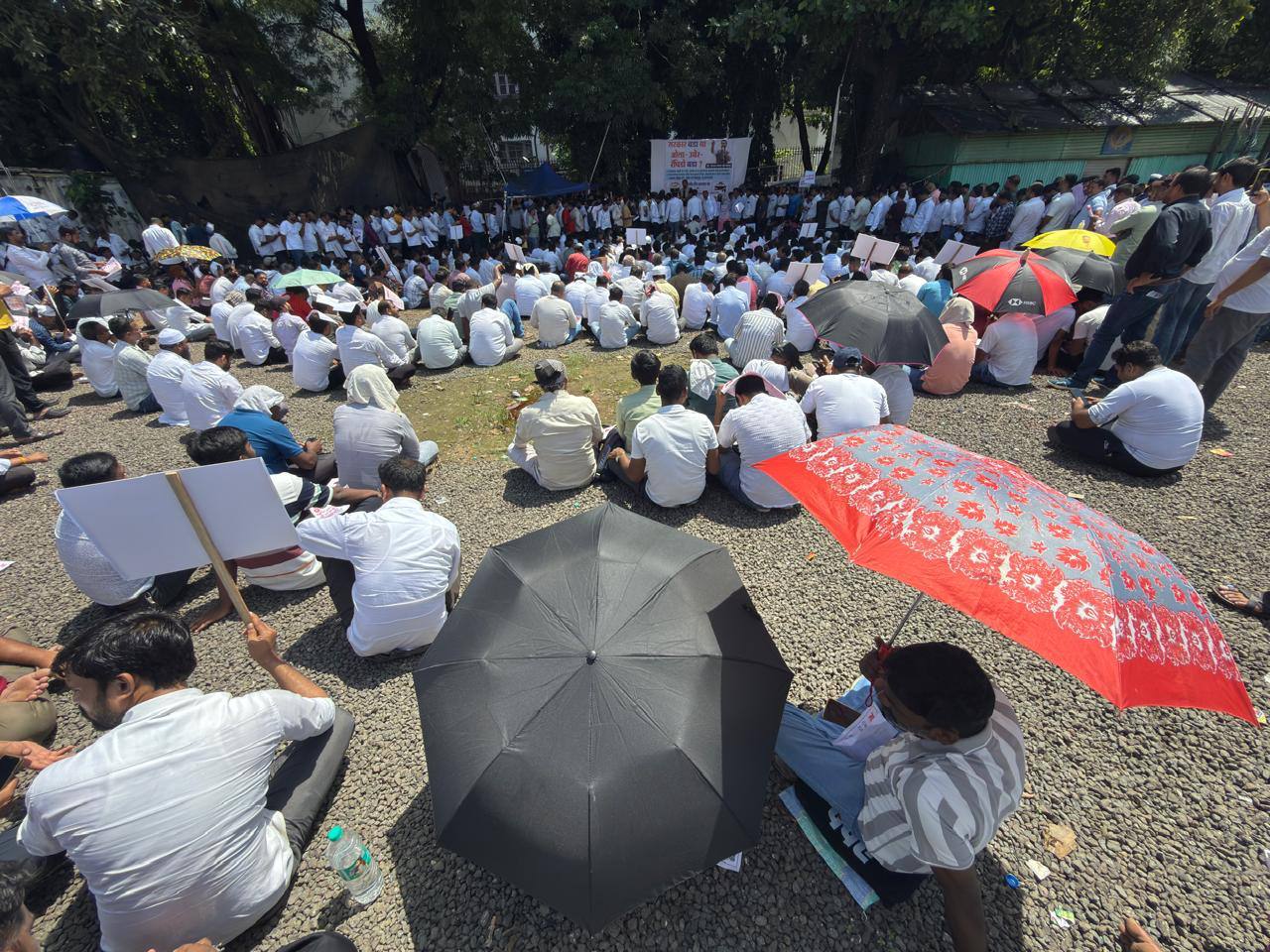
Maharashtra’s app-based aggregator cabs would hope that the worst is behind them as 2025 draws to a close. The cabbies are hoping to enter a period of decisive change. Drivers operating on platforms such as Ola Cabs and Uber have been raising concerns for months about falling earnings, rising operations costs, and growing competition from mobility formats that do not follow the same regulatory requirements. These pressures culminated in a major mobilisation on more than one occassion through the year. A significant gathering took place recently on October 13, 2025, at Azad Maidan, where drivers assembled to demand fair pay, uniform enforcement and clarity over how new mobility models will be governed. Their protest was not a reaction to a single issue. It was the result of a longer cycle of imbalance between platform pricing, regulatory oversight, and the realities of operating a commercial vehicle in the state. Driver Ramashre Yadav has been driving for 25 years now. Hailing his earnings from the previous years, he is now part of the protests. He explained, “Impact of dynamic pricing on his daily earnings, which often fluctuate unpredictably.
As drivers like Ramashre Yadav continue to voice their concerns, several new developments have added urgency to the debate, particularly around safety, compliance, and the role of new two-wheeler taxi services.
Motor Vehicles Act context
Cab and two-wheeler taxi services in Maharashtra have largely operated under the general provisions of the Motor Vehicles Act, with limited state-specific guidance for aggregator platforms. Matters such as driver working hours, rest periods, and platform accountability have mostly been governed by internal company policies rather than formal regulation. This position began to change toward the end of twenty twenty-five, when the Maharashtra Transport Department introduced draft aggregator regulations under powers granted by the amended Motor Vehicles Act. The draft moves toward defined responsibilities, setting expectations on driver duty hours, mandatory rest intervals, onboarding requirements and safety compliance. It also places greater responsibility on platforms to monitor driver activity and ensure proper vehicle and identity verification. While these provisions remain under consultation and implementation is still evolving, their introduction signals a shift toward a more structured regulatory framework.
The framework proposes limits on surge pricing, caps on commissions, strengthened safety obligations and licensing supported by security deposits. While the draft is a step toward structure, it does not fully address private-vehicle carpooling or the compliance gaps highlighted by recent bike-taxi incidents.
Across the state, practices vary further. Pune, for example, does not allow bike taxis and operates almost entirely on RTO-notified meter-linked fares through digital meter apps. Dynamic pricing has not taken hold there. These differences make it clear that Maharashtra’s mobility environment is not uniform, complicating policy design.
Legal and structural context behind the conflict
The Motor Vehicles Act sets the foundation for how transport is regulated. Sections sixty-six and sixty-seven outline permit requirements and empower state governments to regulate fares, service conditions and safety. Commercial vehicles such as taxis and auto-rickshaws fall directly within this framework.
Private vehicles participating in carpooling do not fall clearly within this framework. This legal grey zone has allowed white-plate shared mobility to expand without clear regulatory direction. Amendments made in twenty nineteen formally recognised aggregators and authorised states to regulate them. Maharashtra’s draft rules reflect this authority, but the Act still does not address the core question of whether repeated paid shared trips in private vehicles constitute commercial transport.
Enforcement provisions exist under sections one hundred ninety-two and two hundred seven, allowing authorities to penalise unlicensed commercial activity. But enforcement has been inconsistent across districts, reinforcing drivers’ perception that compliance obligations apply unevenly.
The state’s transport environment has been under sharper examination following two significant incidents involving app-based bike-taxi services. In late November, a 49-year-old passenger, Shubhangi Magare, lost her life in a two-wheeler accident. She is known to have booked through the Uber app and collided with a concrete mixer near Airoli Junction in Mulund. Investigators later found that the motorcycle used for the ride was not the same vehicle registered on the platform. It was a private, non-commercial two-wheeler operating outside the approved system. This raised immediate concerns about verification, documentation checks and safety protocols for bike taxis operating through aggregator platforms as a testimony to concerns mounting.
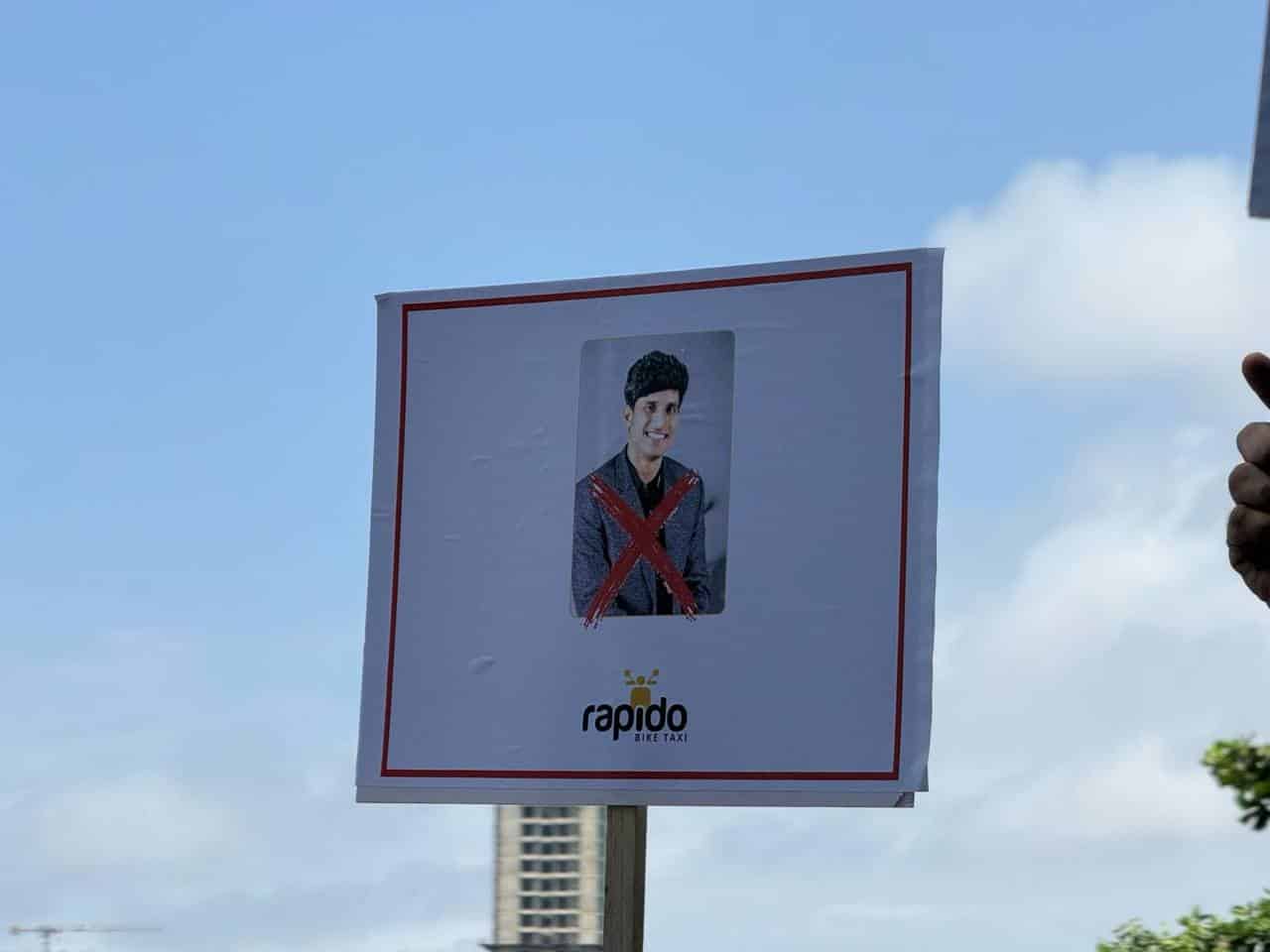
Around the same time, the Navi Mumbai Regional Transport Office registered a first information report against Roppen Transportation Private Ltd., operator of Rapido. During dummy bookings, officials encountered bikes being used for commercial taxi operations, vehicles that are not permitted under Maharashtra’s current regulatory structure. Multiple two-wheelers were seized, and officials pointed to gaps in permit authorisation, vehicle-type approval and basic compliance requirements. These incidents reinforce the frustration voiced by commercial taxi and auto-rickshaw drivers, who argue that stricter enforcement applies to them while newer mobility business models continue to operate with limited oversight. For many, the issue is not the existence of new formats but the absence of a level playing field.
A Changing Competitive Landscape
Earlier this year, Maharashtra allowed the launch of app-based bike taxis for the first time. Commuters quickly adopted the service because it is fast and affordable for short-distance travel. For drivers operating commercial vehicles, however, the launch introduced a competitor with a much lower cost structure. A yellow-plate cab must maintain a fitness certificate, commercial insurance, periodic permit renewals and higher tax obligations. A bike taxi, even when legally registered, operates with significantly lower costs.
Adding to this is the rise of white-plate carpooling networks that allow private vehicles to offer shared paid trips without meeting the compliance obligations commercial operators face. These services have expanded rapidly across Mumbai, Navi Mumbai, Thane and suburban corridors, intensifying concerns around regulatory imbalance.
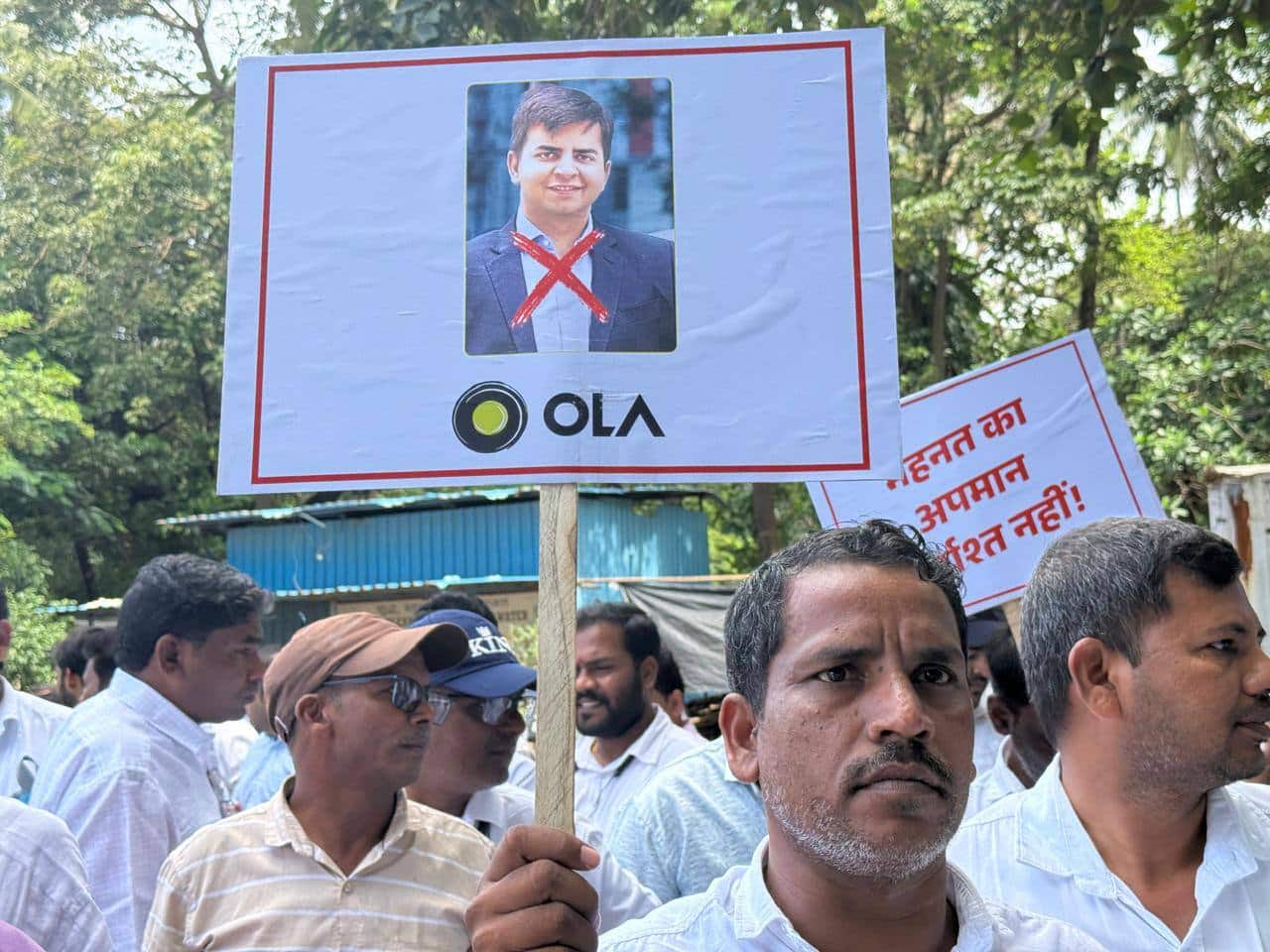
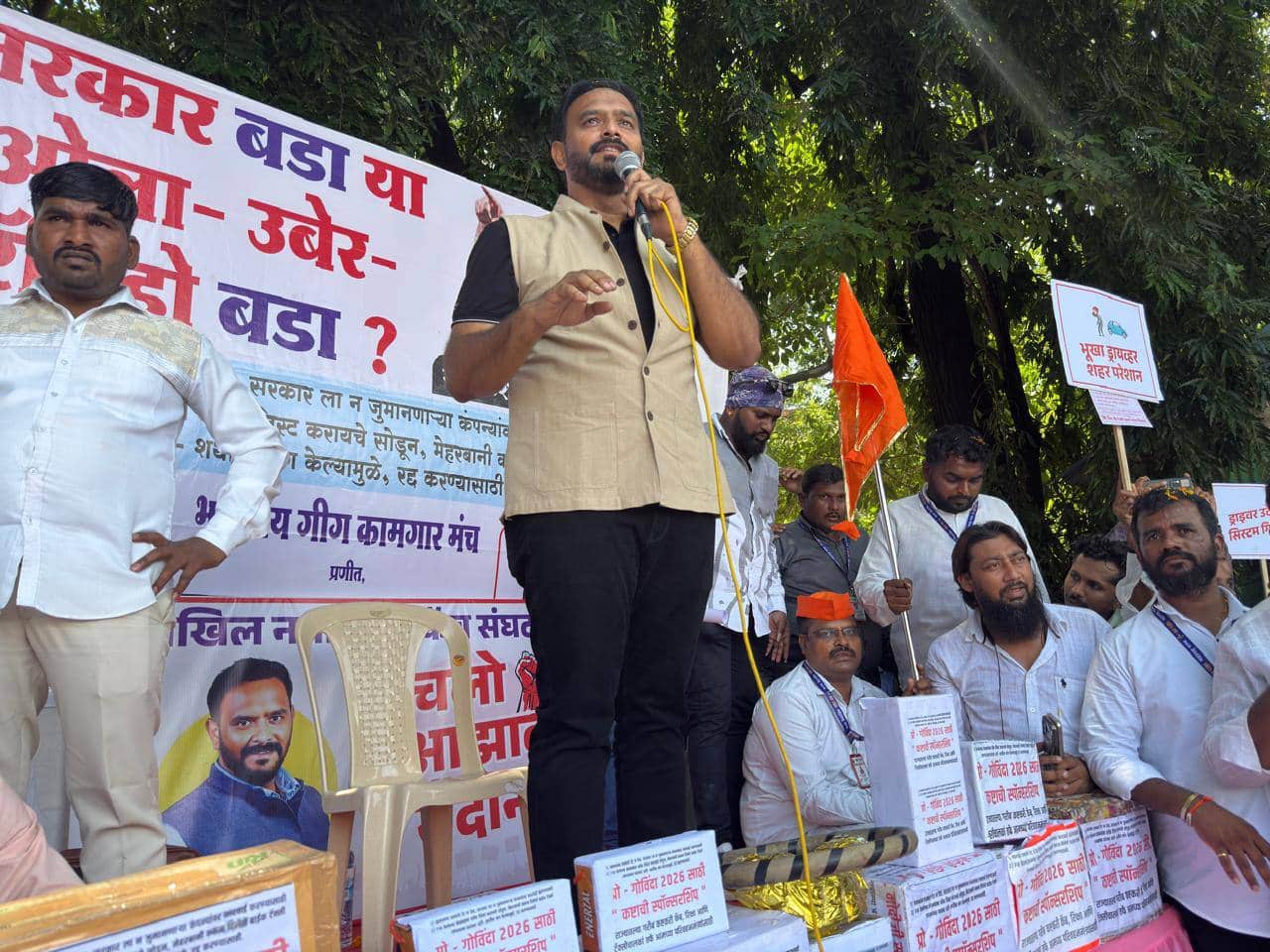
In this environment of uncertainty, economic pressure and uneven enforcement, drivers operating on Ola and Uber organised a large protest at Azad Maidan on the October 13, led by Dr Keshav Khirsagar. Many drivers described long hours, high fuel costs and platform fares that often did not match the distance travelled or the cost of operating a commercial vehicle. Some cited examples where trips of over ten kilometres earned them less than what was required to break even.
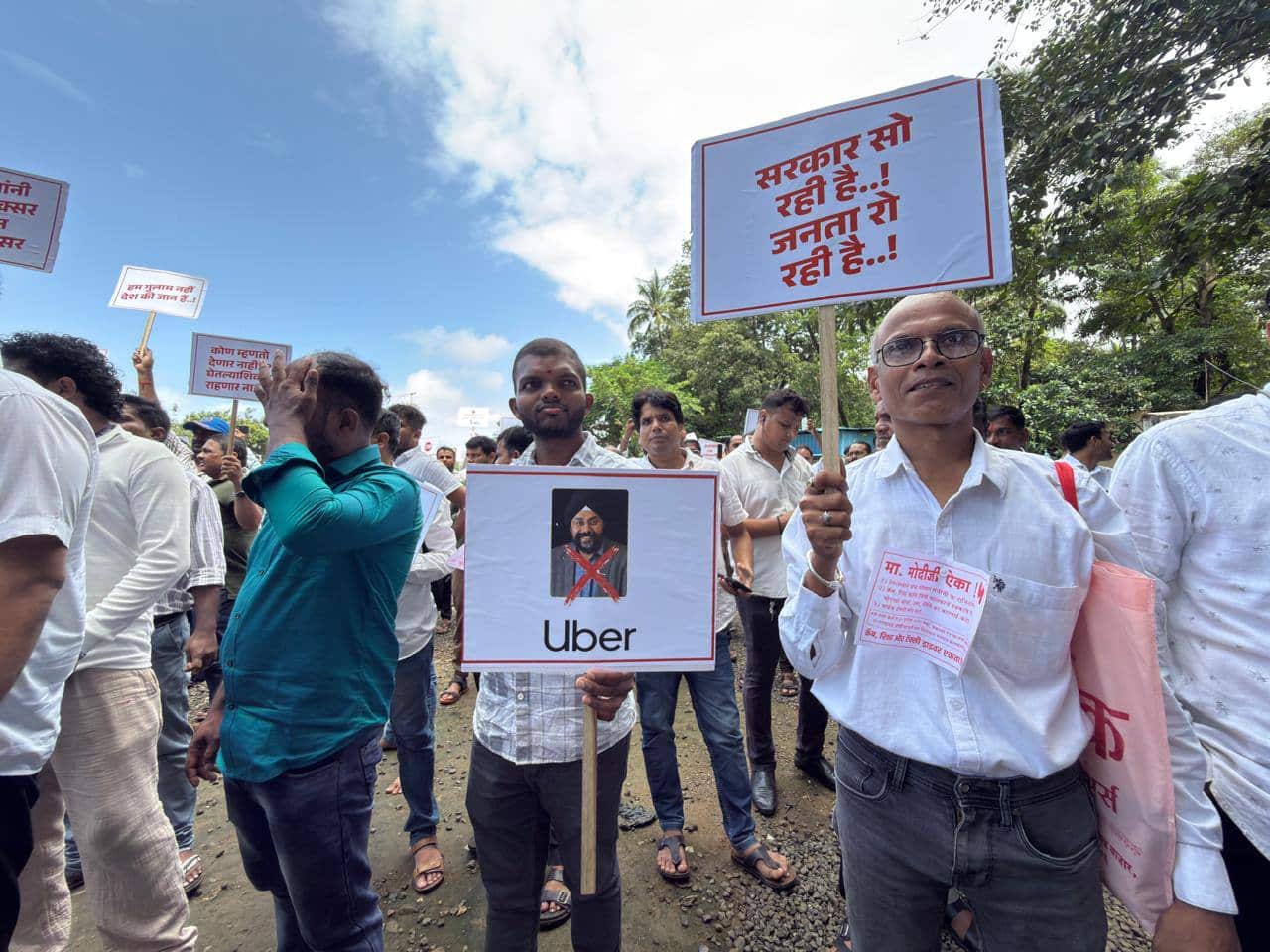
Drivers also pointed to the growing presence of non-commercial bike taxis and white-plate carpooling networks operating alongside them without facing the same regulatory and financial obligations. Their protest was not confrontational but organised and issue-based, focusing on three key demands: clarity in platform pricing, uniform enforcement across all mobility categories and a regulatory framework that acknowledges the economic realities of commercial transport. After the protest, certain unions were invited for discussions with the Transport Department, though Dr Khirsagar’s delegation was not included in the initial meetings. This sustained the sense among many participants that their concerns were only partially represented.
Balancing Act
Maharashtra’s evolving transport system now sits at a point where the expectations of multiple stakeholders converge. Commuters prioritise cost and convenience. Aggregators require operational flexibility. The government must encourage innovation while ensuring regulatory alignment and safety. Commercial drivers seek earnings that reflect their obligations and the cost of maintaining a compliant commercial vehicle. Bharat Taxi, a community-focused app operating on RTO-notified fares, represents another attempt to integrate traditional operators into the digital environment. Its long-term relevance will depend on scale, reliability and commuter acceptance. The policy decisions made over the coming months will have lasting effects on Maharashtra’s transport economy. Especially with the BMC elections around the corner and a cabinet shuffle in sight. The need of the hour is for a long-term roadmap with a consistent and balanced approach in favour of all the stakeholders. Vehicle-replacement cycles, electric-vehicle adoption, insurance frameworks and financing models may all shift as the state refines its regulatory structure. Aggregators may revise fare algorithms, incentive models or subscription frameworks. If carpooling receivesa formal definition, the value of commercial permits may evolve. If bike taxis expand under stricter rules, two-wheelers may become a larger part of urban mobility planning.
What remains clear is this: safety cannot be separated from regulation, and regulation cannot be separated from fairness. The recent incidents in Mulund and Navi Mumbai highlight flaws in verification and oversight. The protest on the thirtieth of October underscores the economic pressures felt by drivers. Maharashtra now has the opportunity to bring clarity to a rapidly changing sector, one where commuters, drivers, platforms and policymakers all depend on predictable, transparent and accountable systems