

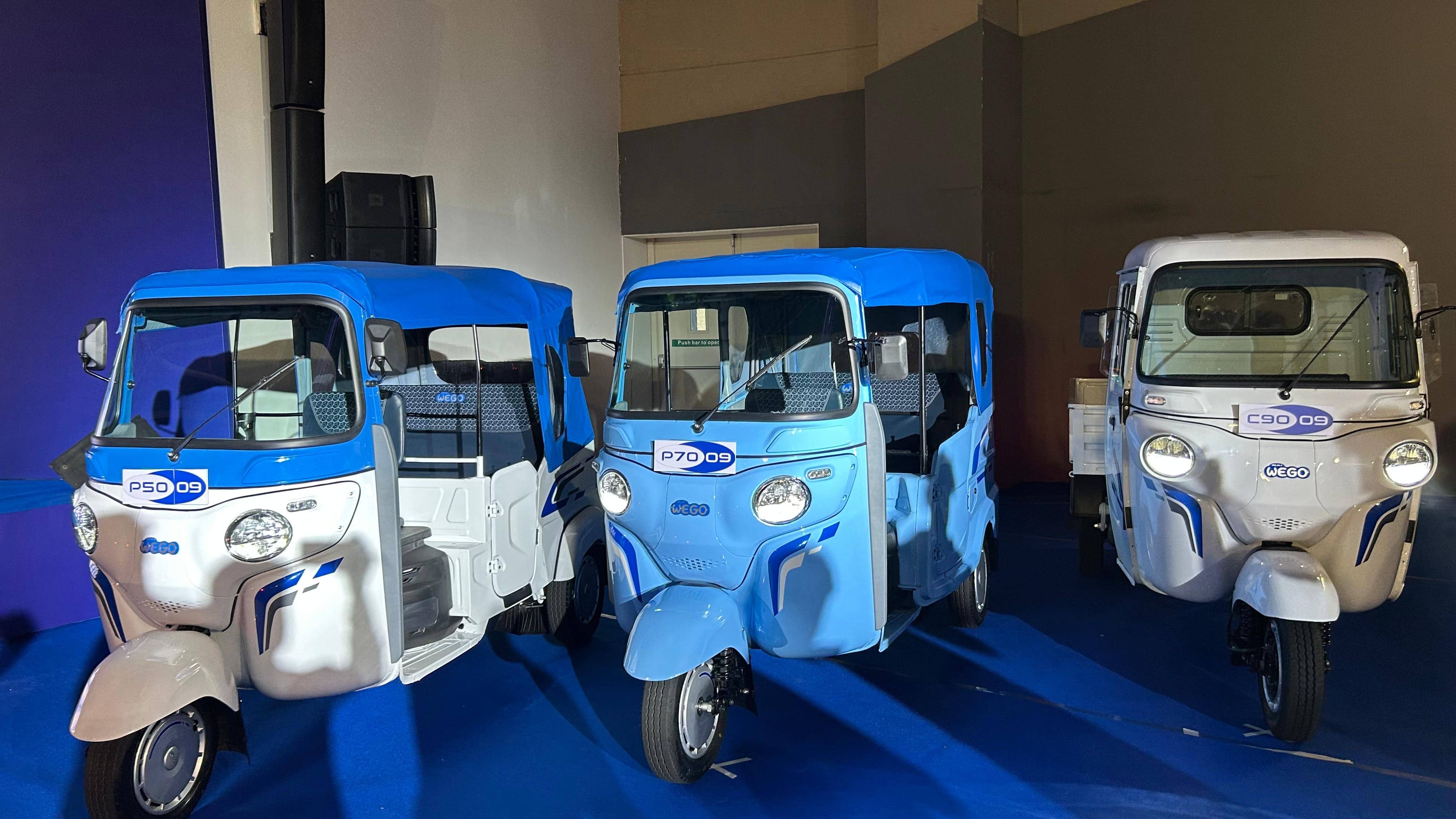
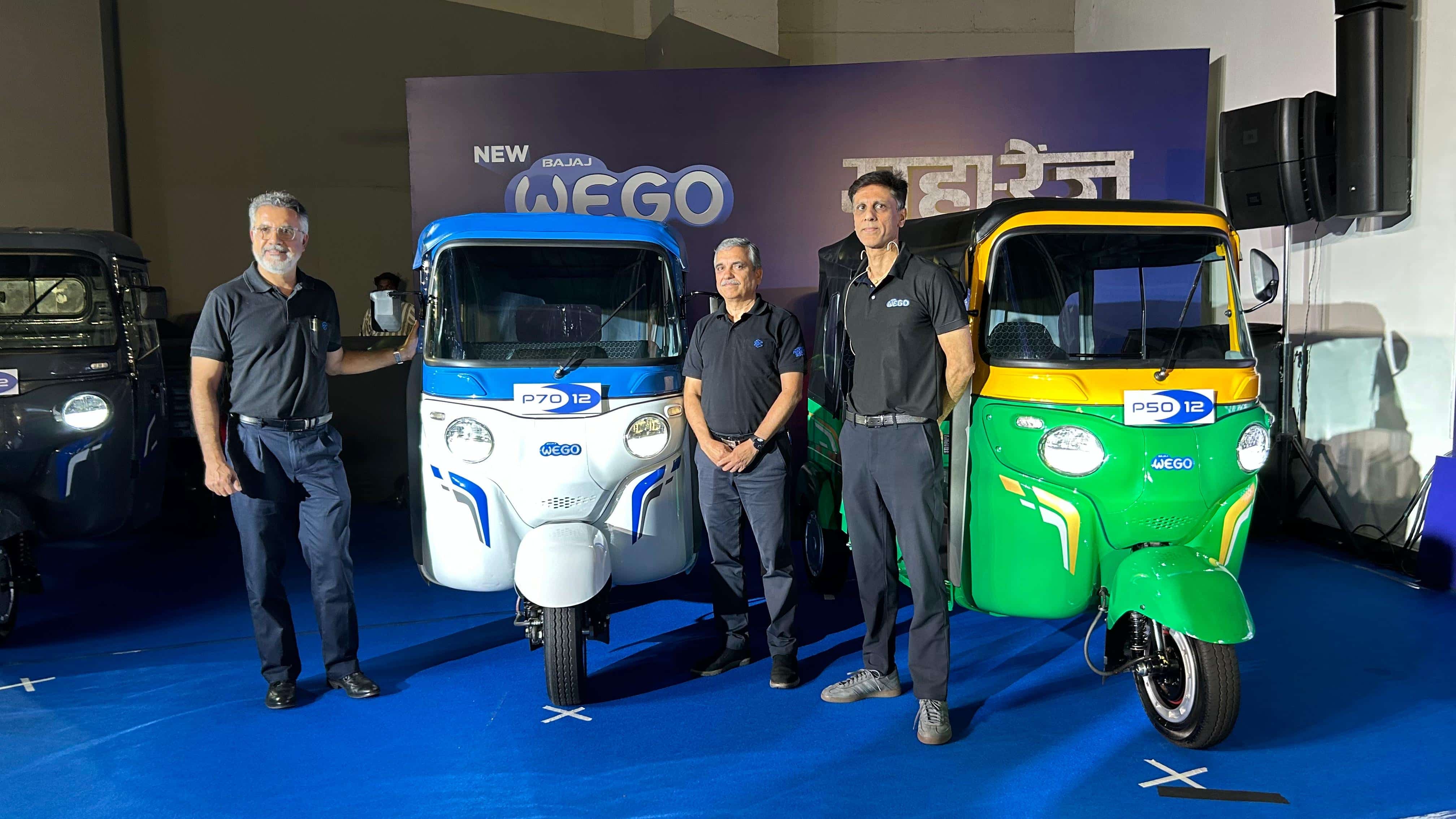
Bajaj Auto has introduced its new electric three-wheeler range under the ‘WEGO’ brand, expanding its presence in the segment with one of the widest portfolios across passenger and cargo applications.
The lineup includes multiple variants across the P50, P70, P90 and C90 series, covering a range of use cases from intra-city passenger movement to last-mile cargo operations. A key highlight is the range, which goes up to 296 km in the higher variants, positioning the platform among the more range-focused offerings in the segment.
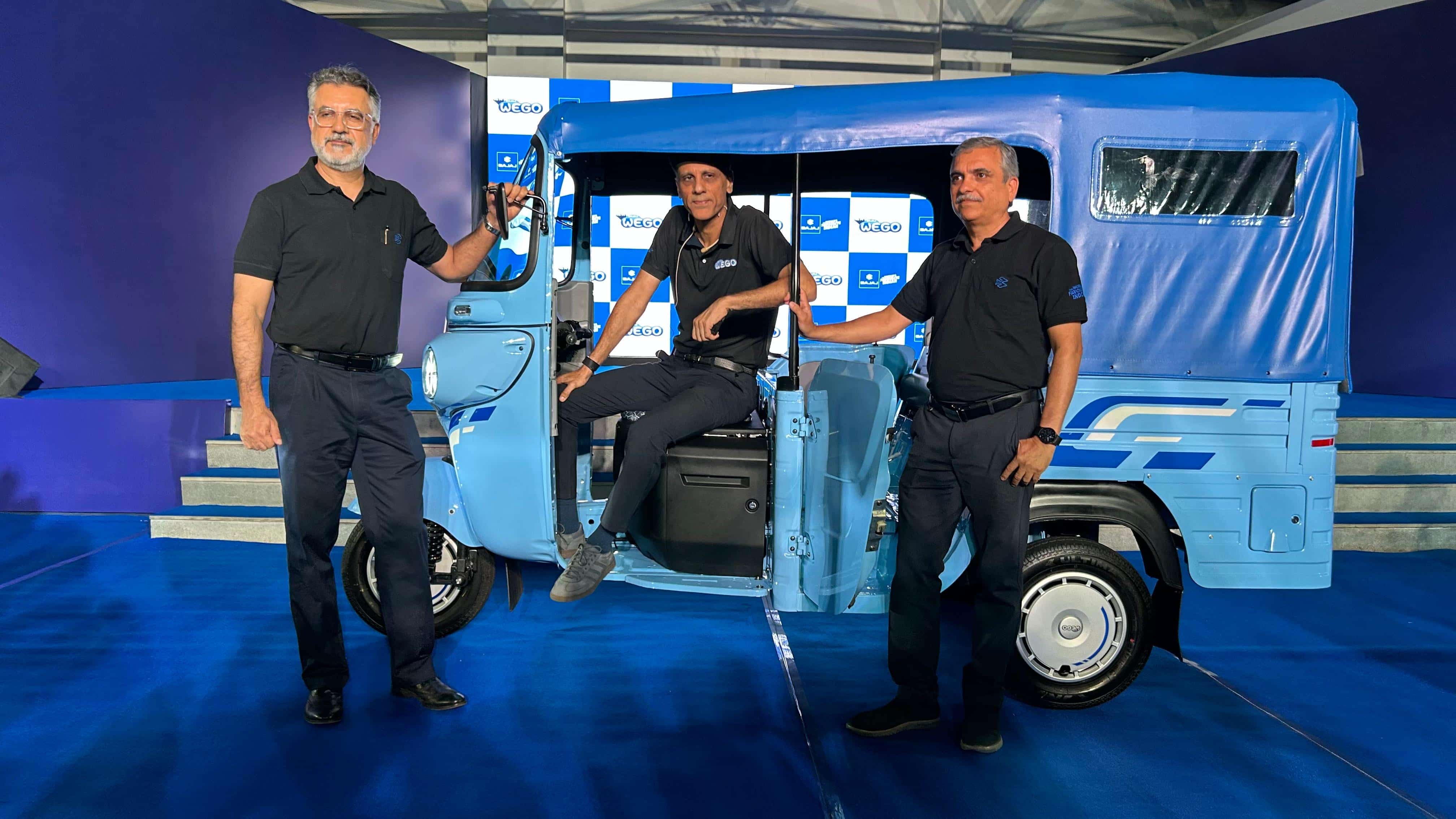
Samardeep Subandh, President – Intra-City Business, Bajaj Auto, noted that the portfolio has been structured around specific applications, with different product series designed to address distinct customer requirements across passenger and cargo segments.
Alongside the portfolio expansion, the development reflects a focus on how these vehicles perform in everyday operating conditions.
Features such as hill hold improve drivability on inclines by preventing rollback during stop-start conditions, making operations easier in urban traffic and under load. The vehicles also offer higher passenger capacity, improved cabin ergonomics, and better space utilisation, which can contribute to higher earning potential per trip.
There is also clear attention to the driver interface, with provisions such as integrated connectivity, device mounting, and onboard charging. These additions are aligned with current usage patterns, where drivers rely on mobile-based navigation and ride-hailing platforms throughout the day.
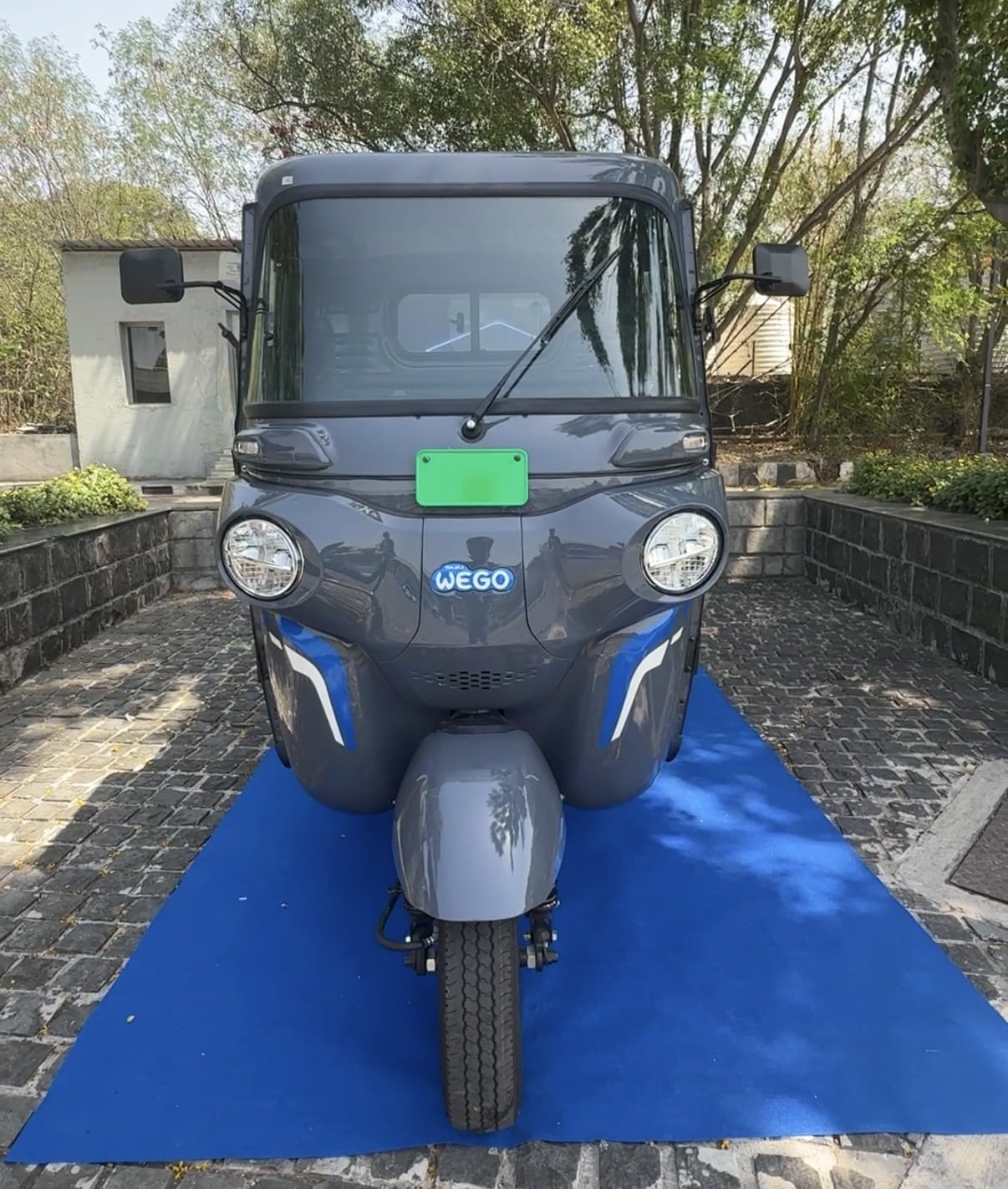
Technically, the platform incorporates an electric drivetrain supported by regenerative braking, a two-speed transmission, and an advanced battery management system, aimed at improving efficiency and long-term operating performance.
From an industry perspective, the WEGO range reflects a shift in the electric three-wheeler segment, where manufacturers are increasingly focusing on application-specific design, usability, and operational efficiency rather than just expanding product offerings.
In urban and intra-city mobility, this combination of range, capacity, and driver-focused features is expected to improve operational ease for drivers while enhancing the overall passenger experience.