

India’s logistics sector takes a major leap forward as road train solutions take off. This is a boost to logistics efficiency, cost optimisation, and sustainable haulage, writes Richa Tyagi.
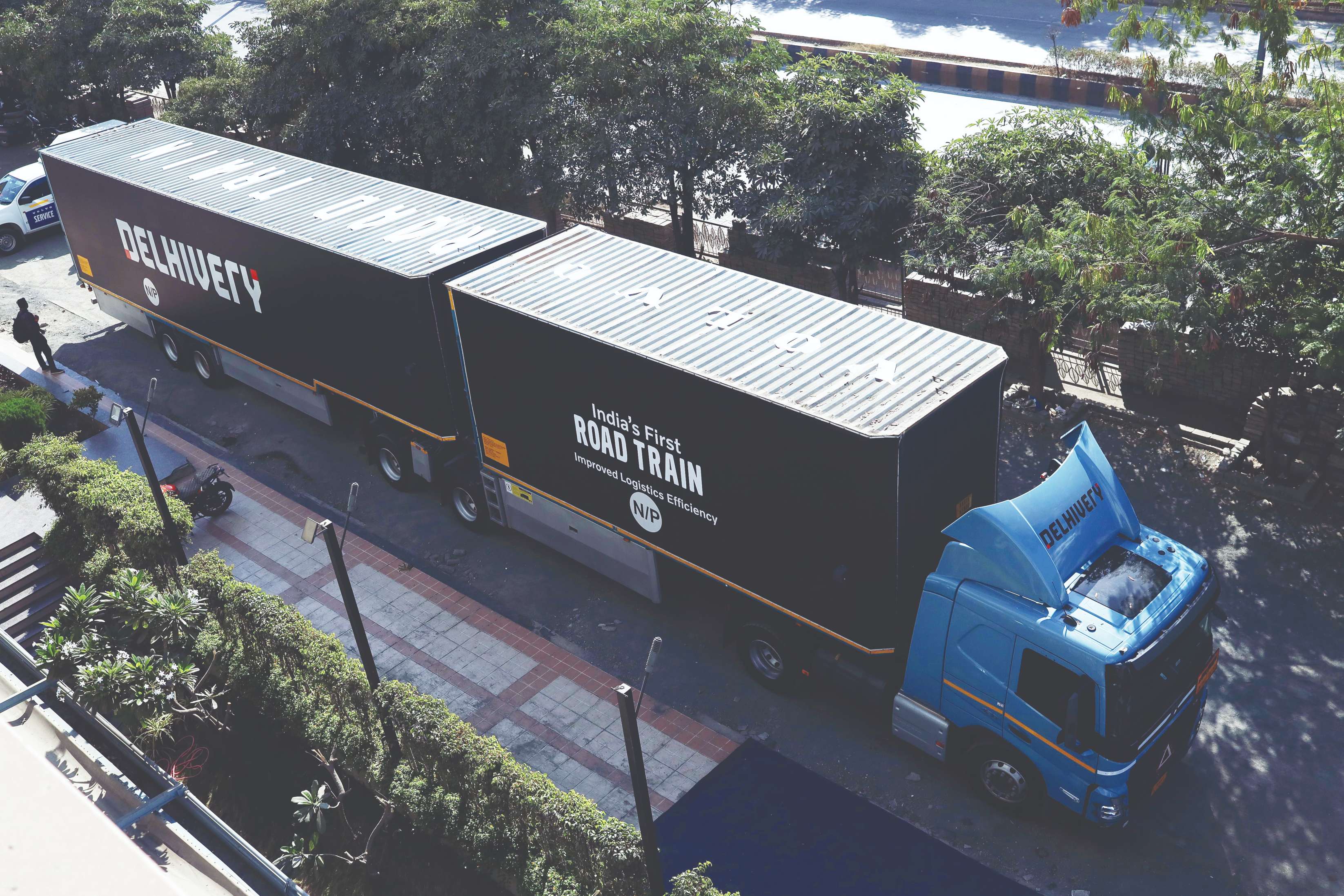
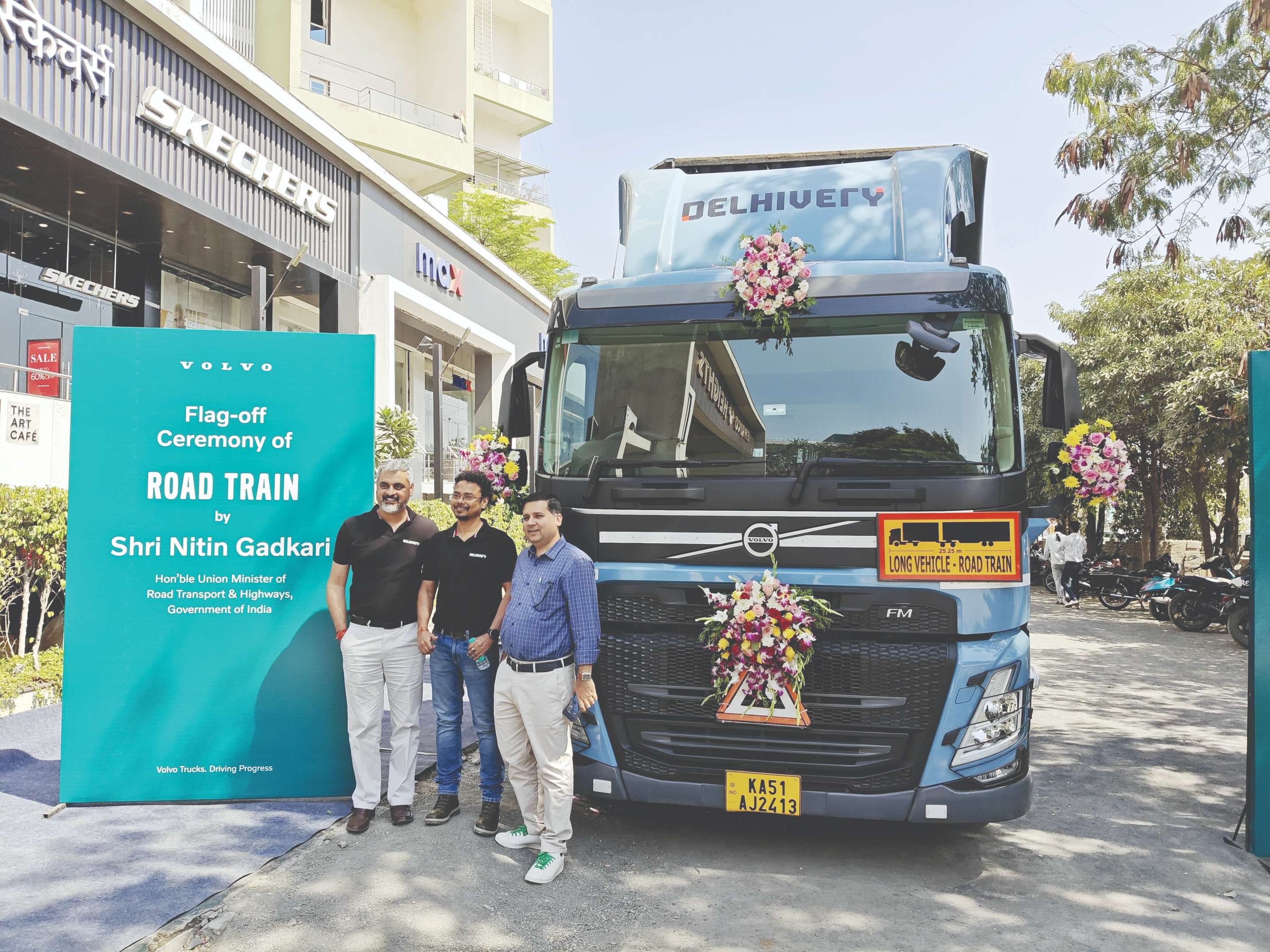
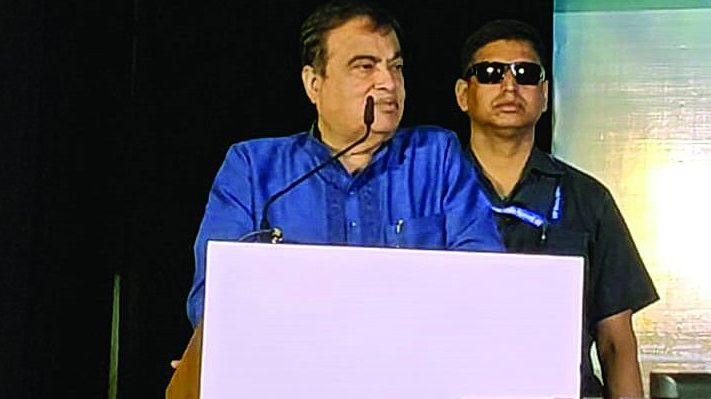
India’s logistics sector is witnessing a transformative shift with the commercialisation of the first Road Train. Flagged off by Minister of Road Transport and Highways, Nitin Gadkari, in Nagpur, the road train is developed by Volvo Trucks and known to have been in pilot for long on select routes operated by Delhivery Ltd. This solution, an outcome of permits received for the vehicle measuring 25.25 m in length in 2020. As long as the combination is certified, each unit can be independently registered and interchanged, making the solution a game-changer for the freight movement landscape. MoRTH and ARAI certified the Road Train, and it now operates on the Nagpur-Bhiwandi route, graduating from exhaustive pilot runs. Commenting on the potential of this solution, Vinod Aggarwal, MD & CEO of VE Commercial Vehicles Ltd., hailed the Union Minister and ARAI for championing such advancements and committed to bringing more global innovations to India.
The Volvo FMX 4×2 road train promises enhanced efficiency and capacity in long-haul transportation courtesy of quicker turnaround times with its longer monthly running of approximately 20,000 kms on dedicated corridors. Powered by a 13-litre, 420 hp engine with a peak rated 2100 Nm torque, it leverages the latest engine management system, improved gear shift programming, and design enhancements, including smoother cylinder liners, an oil scraper ring, a turbo impeller with an inverse design, and low-viscosity VDS 5 oil. This, in turn, contributes to greater fuel efficiency compared to conventional trailers. The truck operates on long-haul routes backed by an 810-litre fuel tank, minimising refuelling stops and range anxiety. B. Dinakar, EVP & Business Head, Volvo Trucks India, reinforced the company’s commitment to integrating innovative transport solutions with a focus on safety and productivity. “Beyond productivity and cost-effectiveness, our focus is on the safe integration of this pioneering solution on Indian roads. I am grateful to the ministry for having certified this path-breaking solution. We will now work to implement this highly efficient and safe transport solution in other suitable sectors,” he mentioned. He called for the industry, dominated by small-scale operators, to leverage this highly efficient offering solution and formalise it.
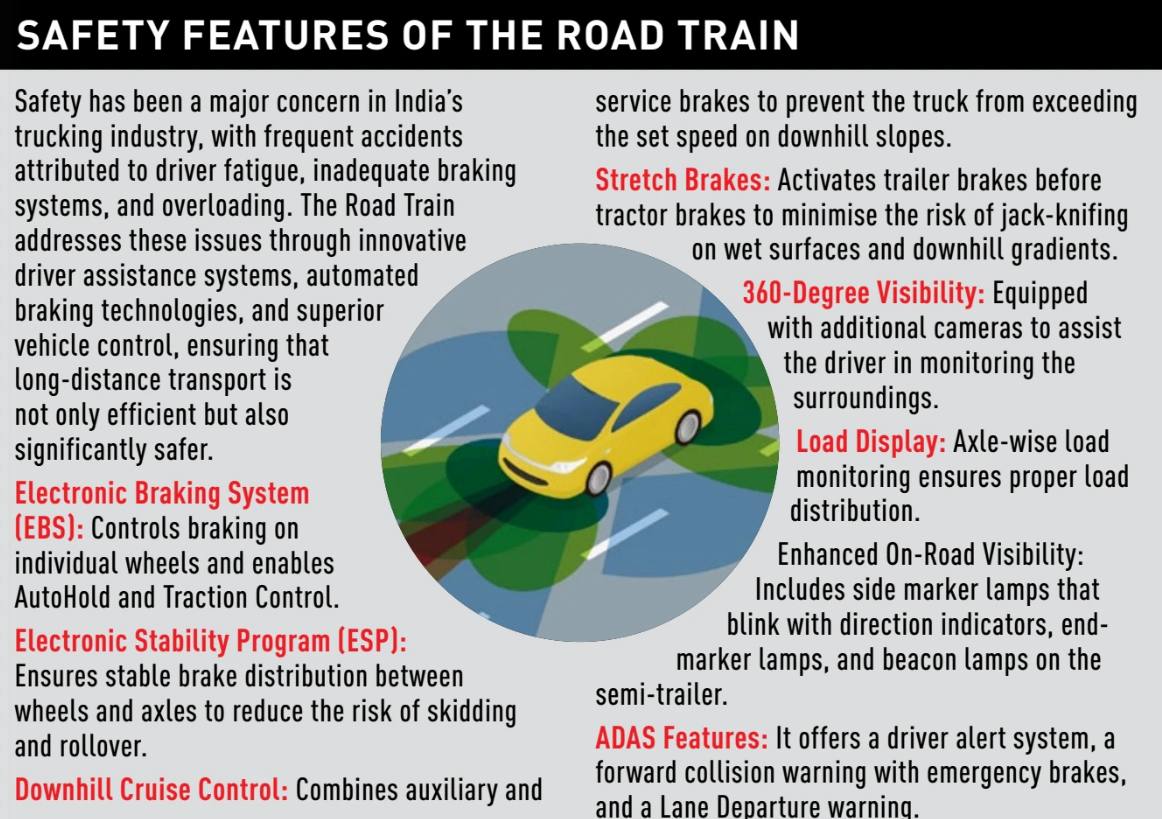
With its 5-star Euro NCAP Safety rating, the pilots benefit from the climate-controlled sleeper cabin. It includes an airbag and an air-suspended seat, providing both safety and comfort for the driver. The design ensures high direct visibility, while passenger corner and 360-degree cameras further enhance situational awareness. The FM 420 uses a 12-speed I-Shift automated manual transmission that is claimed to optimise gear selection for power and fuel efficiency. Cruise control helps maintain a constant speed, while downhill cruise control and stretch brakes enhance vehicle control on slopes with heavy loads, like in the ghats. The pre-trip check system diagnoses essential truck parameters, alerting the driver to potential issues through a pop-up message on the information display.
A fully digital 12-inch driver information display presents key truck data, including performance metrics, axle loads, alerts, and driver timers. The system allows mobile phone connectivity for hands-free operation. A secondary nine-inch touchscreen displays 360-degree camera views, a load indicator, trip meters, real-time driver coaching, and infotainment options. The truck’s Electronic Braking System (EBS) continuously monitors individual wheels on both the truck and trailer, adjusting brake pressure for stability and safety. The Electronic Stability Program (ESP) manages engine torque and applies braking to individual wheels when necessary. The system also brakes the trailer’s wheels in certain situations, reducing the risk of skidding or rollover incidents. The Volvo-configured road train incorporates a self-steerable axle in the trailer to improve manoeuvrability in confined spaces.
Milestones in Indian Transportation
Union Minister Nitin Gadkari has hailed the Volvo Road Train at a time when it is urgent to reduce India’s high logistics costs, which currently stand at 16 per cent of GDP compared to eight per cent in China and 12 per cent in the USA and Europe. The Ministry of Logistics aims to bring these costs down to single digits within the next two years, a move expected to significantly boost exports and competitiveness. Gadkari highlighted the role of road infrastructure improvements and innovative technologies like Volvo’s Road Train in driving this change. He also underscored the importance of driver training and a transition towards alternative fuels such as LNG, CNG, and hydrogen to reduce dependency on fossil fuel imports and lower transportation costs.
India’s logistics landscape has long struggled with inefficiencies, including fragmented supply chains, outdated transport modes, and high fuel consumption. The Road Train concept, successfully deployed in countries like Australia, offers a viable solution for high-volume freight movement.
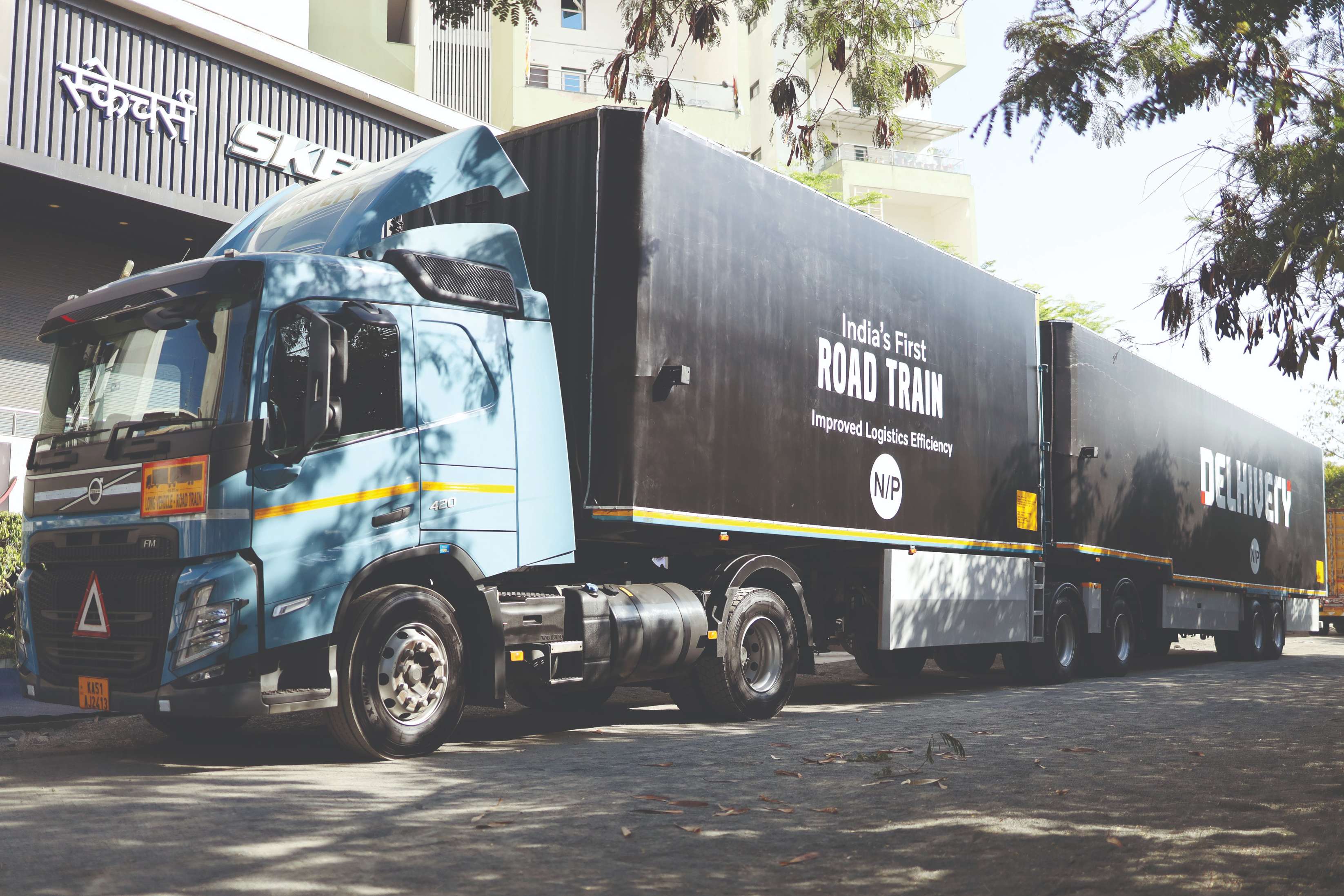
By optimising road transport efficiency, this innovation aligns with India’s broader goals of economic growth and sustainability. The Volvo FM 420 4×2 Road Train with its twin containers mounted on trailers marks a pioneering step in India’s logistics sector, aligning with the government’s Gati Shakti master plan for integrated and efficient transport solutions. A key advantage of this Road Train lies in its ability to transport nearly twice the load of conventional trucks at 65-70 tonnes. This setup ensures significant cost savings for logistics operators while reducing carbon emissions per tonne of cargo moved. Additionally, the vehicle’s streamlined design minimises aerodynamic drag, further improving fuel efficiency. Suraj Saharan, Co-founder & Chief People’s Officer at Delhivery, underlined the efficiency and sustainability benefits of the Road Train in high-volume operations, aligning with India’s expanding expressway network. He said, “From adopting tractor-trailers to LNG and electric trucks, Volvo has been a key enabler in our journey. Road trains are a natural next step, perfectly suited to our high-volume line-haul operations. With India’s expressway network expanding rapidly, we look forward to scaling this innovation across more routes soon.” At present, Delhivery is operating 10 road trains in total and expects to increase the fleet to 10 units by the end of the year 2025.

Future Of Freight Transport In India
The introduction of Road Train is expected to reduce traffic congestion, emissions, and operational costs. By replacing three conventional tractor-trailers with two Road Trains, India can increase productivity by transporting more cargo per trip, reducing the number of vehicles on the road. Fuel efficiency improves as a marginal rise in fuel consumption supports a significantly higher payload. The adoption of LNG, CNG, and hybrid options further enhances sustainability in logistics. Additionally, faster turnaround times and optimised fleet management improve overall supply chain efficiency. However, integrating Road Train successfully requires infrastructure upgrades. While India’s expressway network is expanding, challenges such as road width limitations, weighbridge constraints, and parking facilities need to be addressed. Driver training programs will also be essential to ensure the safe and efficient operation of these high-capacity vehicles.
Global Lessons For Implementing Road Trains
Countries like Australia, Canada, and Sweden have successfully integrated Road Trains into their transportation networks, improving logistics efficiency across vast distances. Australia, for instance, has leveraged Road Trains to enhance its mining and agricultural supply chains. These experiences highlight the importance of well-defined regulations, designated freight corridors, and comprehensive driver training programs to ensure safe and effective operations. India can adopt similar strategies by developing dedicated freight corridors suited for Road Trains, integrating digital tracking and fleet management systems for better route planning, and enforcing strict compliance with weight and safety standards.