

Nepal’s GenZ protests exposed fragile infrastructure, halting customs and transport. It called for urgent reforms to sustain resilient trade, writes Niharika Singh.
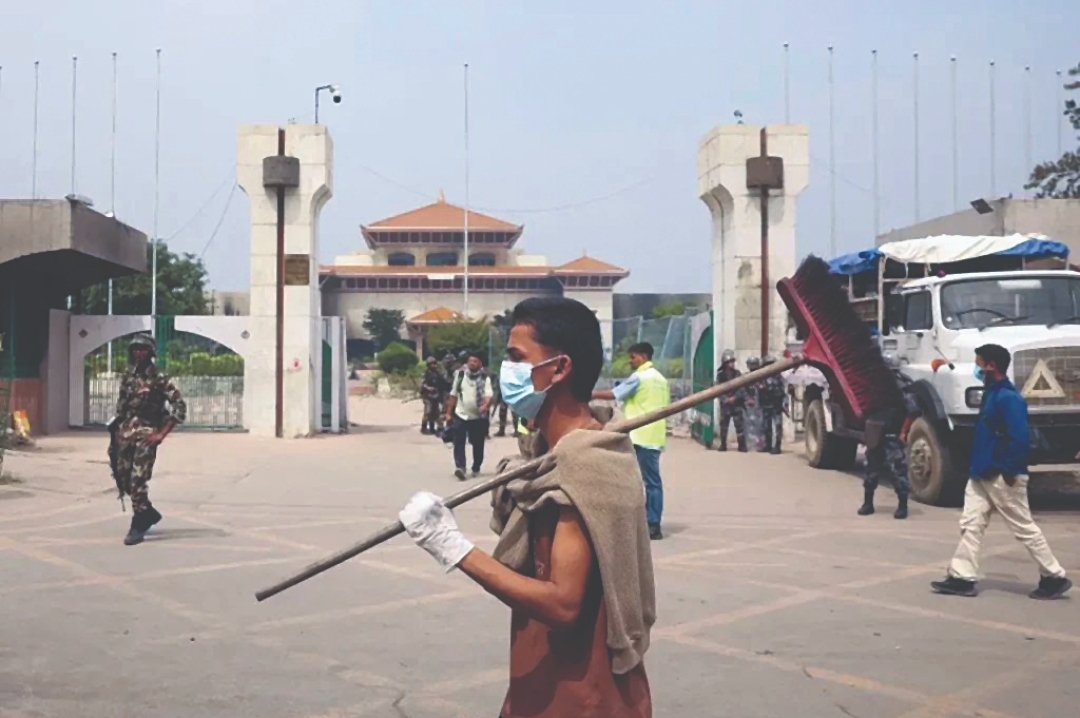
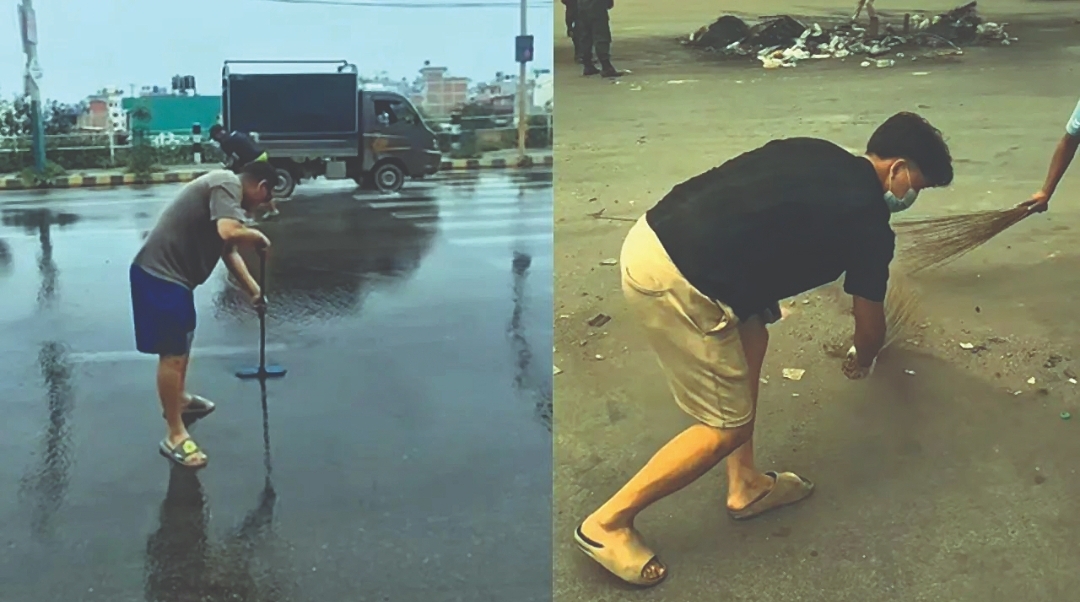
What began with protesters offering flowers to police ended in pools of blood. On September 08, 2025, thousands of young Nepalis self-organised through popular forums and discord took to the streets of Kathmandu to protest against the social media ban, which brought to the surface deep-rooted underlying issues like corruption. They called themselves GenZ, and they had pledged to march peacefully, carrying poems, placards, and flags. The protests snowballed into unrest, throwing transport out of gear and bringing India’s neighbour to its knees! Since then, the same GenZs have resorted to rebuilding. Nepal’s interim government has unveiled a wide-ranging economic relief and austerity package to address the massive destruction and disruption caused by the GenZ movement, which left more than 70 people dead and caused billions in damage as per initial assessments. The estimated loss covering damage to public and private properties, destruction of valuable documents, job cuts, and lost opportunities is nearly equivalent to one and a half years of Nepal’s annual budget, or close to half of the country’s GDP, economists say. With billions of rupees lost in damages, trade disruptions, and transport fleets stranded, the reopening of key southern customs offices marks the start of a recovery phase. Yet, the protests have left scars on customs infrastructure and raised pertinent questions on Nepal’s transport system and its preparedness to withstand shocks in the future.
Protests and Infrastructure Breakdown
The GenZ protests directly into the economic lifeline. Customs points in the south, particularly Bhairahawa and Biratnagar, became flashpoints. Protesters vandalised customs offices, set fire to sections of Infrastructure, disabled servers, and destroyed documents. Bhairahawa Customs, which normally generates Rs 450 million in daily revenue, was paralysed for three days. Only after systems were restored did it manage to process 200 trucks and collect rupees270 million in revenue on its first day of reopening.
At Biratnagar, a similar scene unfolded. The unrest initially allowed only partial resumption of operations, with revenue collection well below seasonal expectations. Birgunj, the country’s busiest customs hub, remained physically unharmed but was forced to shut operations for two days due to the unrest.The protests highlighted a fundamental weakness. Nepal’s customs infrastructure is not designed to withstand large-scale civic unrest. When political anger turns towards infrastructure, customs buildings and systems quickly become vulnerable, directly impacting trade flows.
Transport At A Standstill
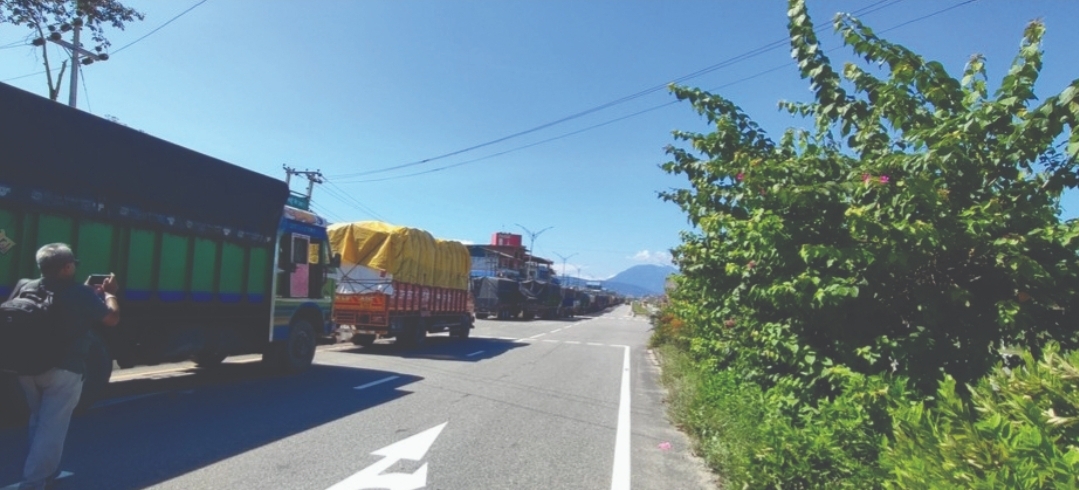
Commercial Vehicles bore the brunt of the turmoil. Hundreds of trucks were stranded for days, unable to cross borders or unload goods at depots. Drivers lost wages, goods remained undelivered, and perishable products rotted as protests raged near customs gates. At Birgunj alone, where 800 to 1,000 trucks normally pass daily, the closure meant colossal delays and supply chain disruptions. The ripple effect spread across Nepal’s cities and towns. Retailers reported a shortage of essentials, manufacturers faced production bottlenecks due to missing raw materials, and consumers saw rising prices. The GenZ protests thus went beyond a political message; they directly crippled the arteries of Nepal’s economy.
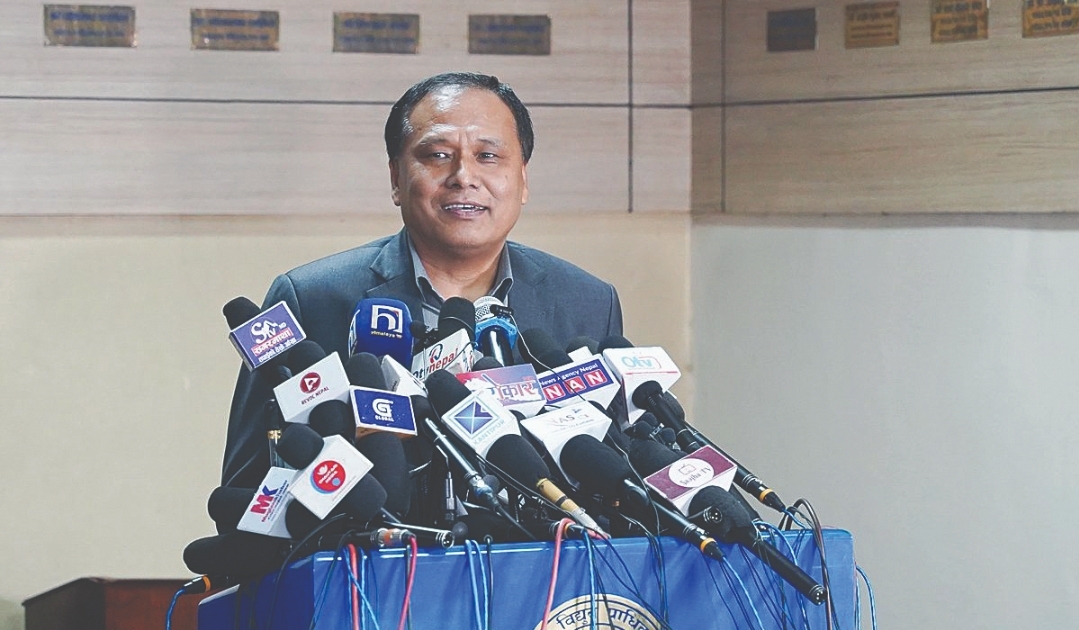
KulMan Ghising, Minister of Physical Infrastructure and Transport
Transport Ministry Calls For Restoration
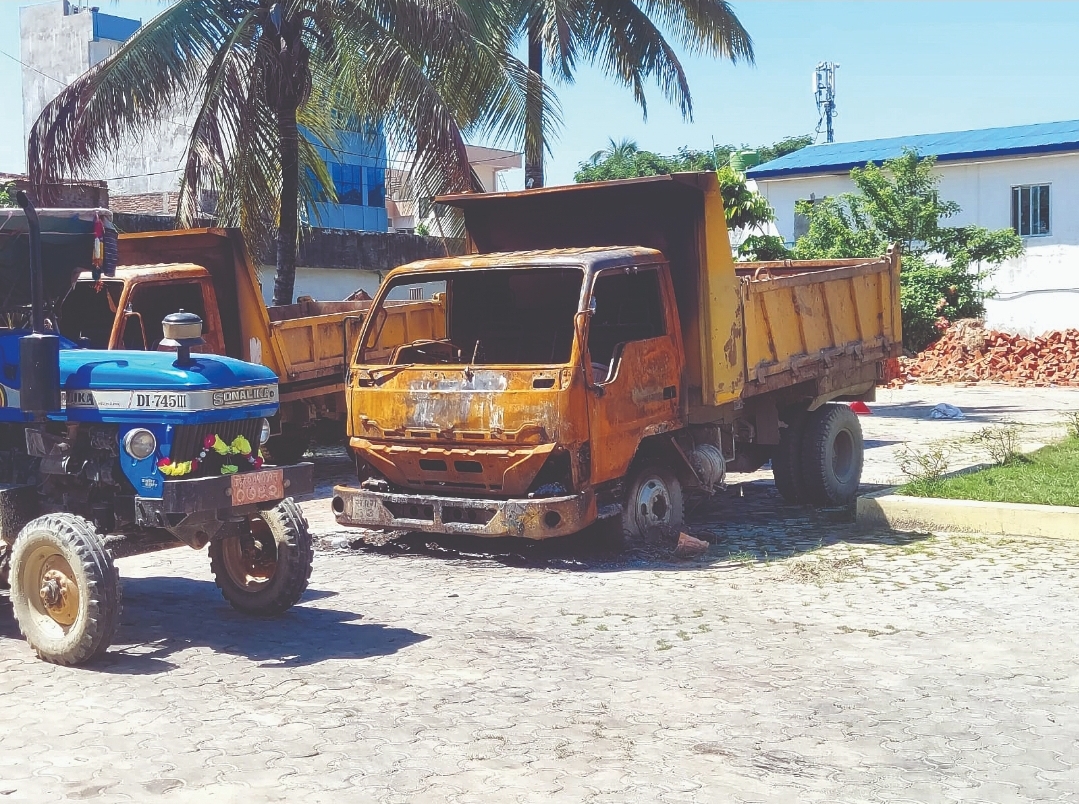
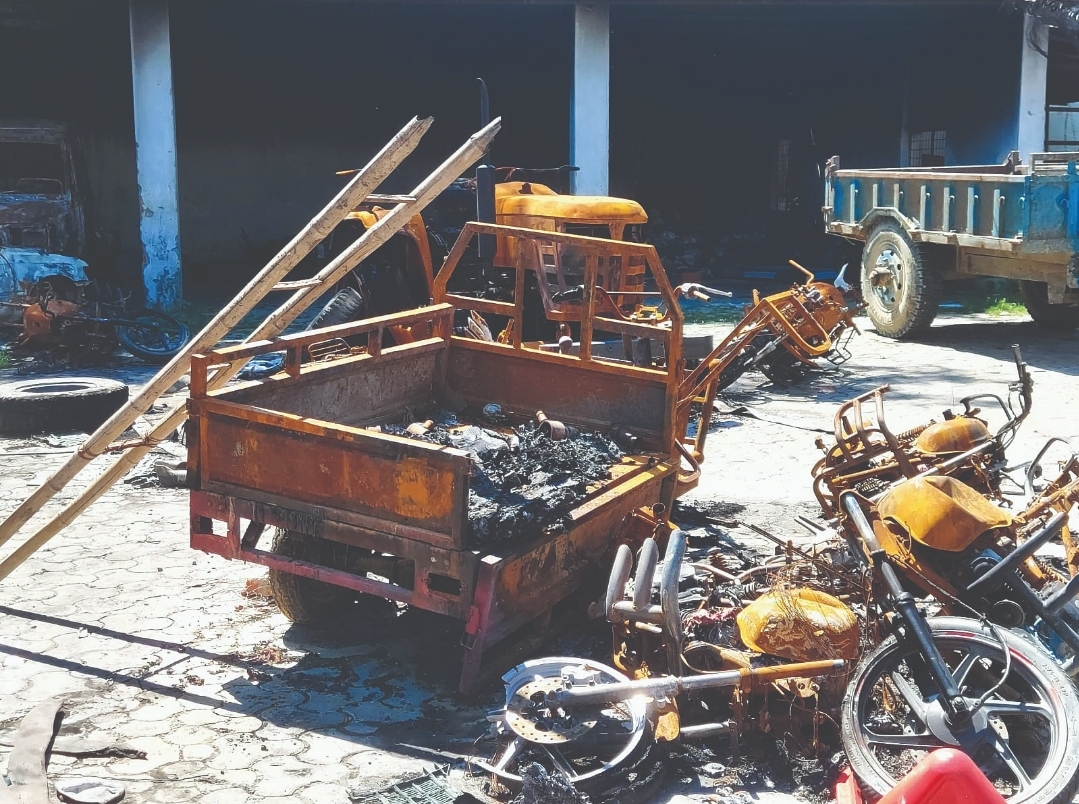
Minister for Physical Infrastructure and Transport, and Urban Development, Kulman Ghising, has said that the vehicles in Singha Durbar premises that were burnt down in the course of the Gen-Z demonstrations should be managed by taking them to another place. He issued directives to this effect today, stating that the Singha Durbar premises looked ugly due to the burnt vehicles, stated Minister Ghising’s secretariat.
“We shouldn’t leave the office premises looking shabby. Let’s do our work in the interior, but not let the exterior become unsightly. Let’s make it nice as soon as possible.” Damaged vehicles scattered around the Singha Durbar premises make it look unattractive, and the minister called for their removal and prompt management to and manage them promptly to convey a positive message as per Minister Ghising. He clarified that the reconstruction will begin by collecting support from the government, Nepalis at home and abroad through the ‘Let us build our structures ourselves’ campaign. The Ministry of Urban Development has stated that it has formed a task force to assess the damage incurred in the structures under its jurisdiction and has already begun work.
Stakeholders Will Play A Crucial Role
Traders remain concerned but cautiously optimistic. Kamlesh Kumar Agrawal, President of the Nepal Chamber of Commerce, noted that operations in the south are stabilising but warned that “trust in the system will take time to rebuild.” For truckers, the losses were deeply personal. Ramesh Yadav, a long-haul driver from Birgunj, shared,” We were stuck on the highway for four nights. There was no food, no safe place to rest, and we had to guard our trucks ourselves. By the time the gates reopened, our cargo was already spoilt.” The Nepal truck drivers’ union also voiced anger. Its president, Bikram Thapa, drew attention to drivers being on the front line of such a crisis without a safety net. “When protests happen, we lose wages, our vehicles are at risk, and insurance rarely covers political violence. The government must include drivers’ welfare in any future transport reforms,” he is known to have urged, Such testimonies reflect the frustration of the logistics Community, which has often been left to absorb the costs of political upheaval.
Revenue And Economic Losses
The fiscal impact of the situation is severe. Bhairahawa alone lost nearly Rs 600 million in revenue collections during the three-day shutdown. Biratnagar’s revenue also declined significantly due to the unrest, while Birgunj experienced two full days of lost operations during peak seasons. Nationwide, the government estimates that trade disruptions caused by the protests resulted in billions in potential customs revenue losses, which are crucial for Nepal’s budget. Minister Basnet acknowledged the strain on finances, stating, “When protests halt trucks and close gates, government revenue is the first casualty.” He also mentioned that reforms will focus on securing customs systems and ensuring digital operations continue even during crises.
Building Trust and Stability
The reopening of southern customs points signals a step towards recovery, but rebuilding trust among traders and transporters will require more than quick fixes. Political protests are part of any democracy, but their economic impact can be mitigated through smart planning, resilient infrastructure, and proactive governance. Minister Basnet concluded his address with a message of cautious optimism, “Nepal cannot afford for every protest to paralyse its economy. We are committed to building infrastructure that safeguards both the right to dissent and the right to trade.”
Lessons From The GenZ Protests
The GenZ protests were a wake-up call for Nepal’s infrastructure and commercial vehicle ecosystem. They demonstrated how quickly political unrest can paralyse trade, strand vehicles, and disrupt livelihoods. They also highlighted the urgent need for protest-resilient customs facilities, stronger security, and better support for transporters. For Nepal to move forward, investment must go into protecting both infrastructure and the people who operate it, drivers, traders, and customs officials. Only then can Nepal ensure that its economic arteries remain open, even in times of political upheaval.