

India’s logistics sector, contributing 14 per cent to the nation’s GDP, is profoundly transforming, writes Jameel G Baig, Head of Product Line Bus & Trailer, CVS India, ZF Group.
With road transport dominating freight movement, accounting for nearly 60 per cent of the total, the need for efficient and high-capacity solutions is more critical than ever. As freight volume is projected to grow at a CAGR of seven to eight per cent over the next decade, and the trailer market expands at an estimated 10-12 per cent annually, the shift from conventional trailers to road trains is gaining momentum.
The Evolving Logistics Landscape And The Rise Of Road Trains
Traditional single-trailer trucks have long been the backbone of India’s freight transport. However, the expansion of expressways, multimodal logistics hubs and the implementation of revised axle load norms have paved the way for high-capacity transport solutions. The rapid growth of e-commerce, projected to reach USD 350 billion by 2030, has further amplified the demand for faster and more efficient freight movement.
The introduction of GST, eliminating state border checkpoints, and the government’s focus on highway expansion through projects like Bharatmala have significantly improved road connectivity, making long-haul transport more viable. Furthermore, the adoption of IoT-enabled fleet management, telematics, and AI-driven route optimisation is enhancing operational efficiency and reducing costs.
Sustainability concerns and rising fuel costs are also driving the shift towards high-capacity transport solutions, as they enable lower fuel consumption per tonne per km compared to conventional trailers. With the demand for multi-axle and longer combination vehicles expected to grow, India is poised for a more efficient and cost-effective logistics future.
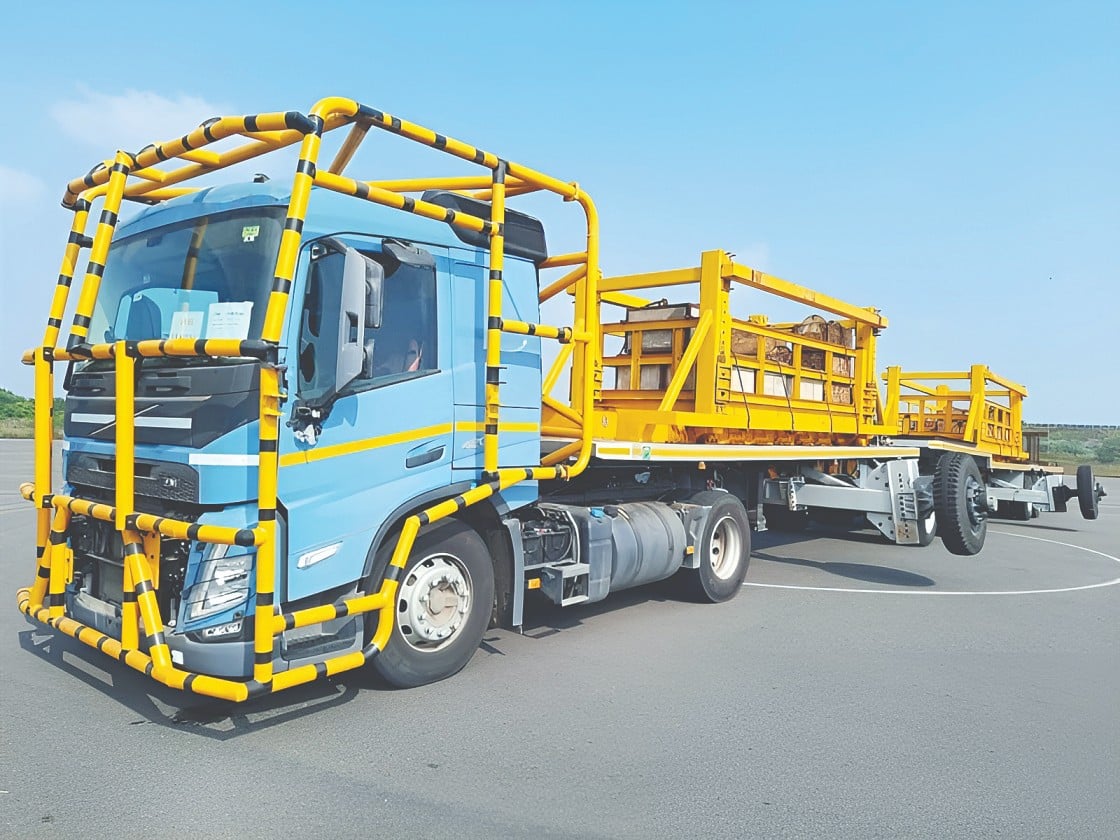
The Importance Of Road Trains The road train concept, formally incorporated into regulations in 2020, allows for vehicle lengths up to 25.25 metres, significantly increasing cargo capacity, and as India’s logistics ecosystem shifts to high-volume line-haul operations, road trains will enable efficient movement of cargo and goods. These vehicles offer several key benefits, including increased efficiency by reducing the number of trips required to transport goods and optimising fleet operations, lower logistics costs to achieve costs as low as eight to nine per cent of GDP compared to India’s current 14–16 per cent, a reduced carbon footprint through lower fuel consumption and emissions aligning with global sustainability goals, and economic growth by creating jobs in vehicle manufacturing, logistics, and infrastructure sectors. India’s commitment to road development, with Rs.100 lakh crore (USD 1.3 trillion) invested, positions the country to introduce road trains as a key enabler of economic growth, with the potential to cut logistics costs by up to 30 per cent. The government’s policies, such as the National Logistics Policy (NLP) and PM
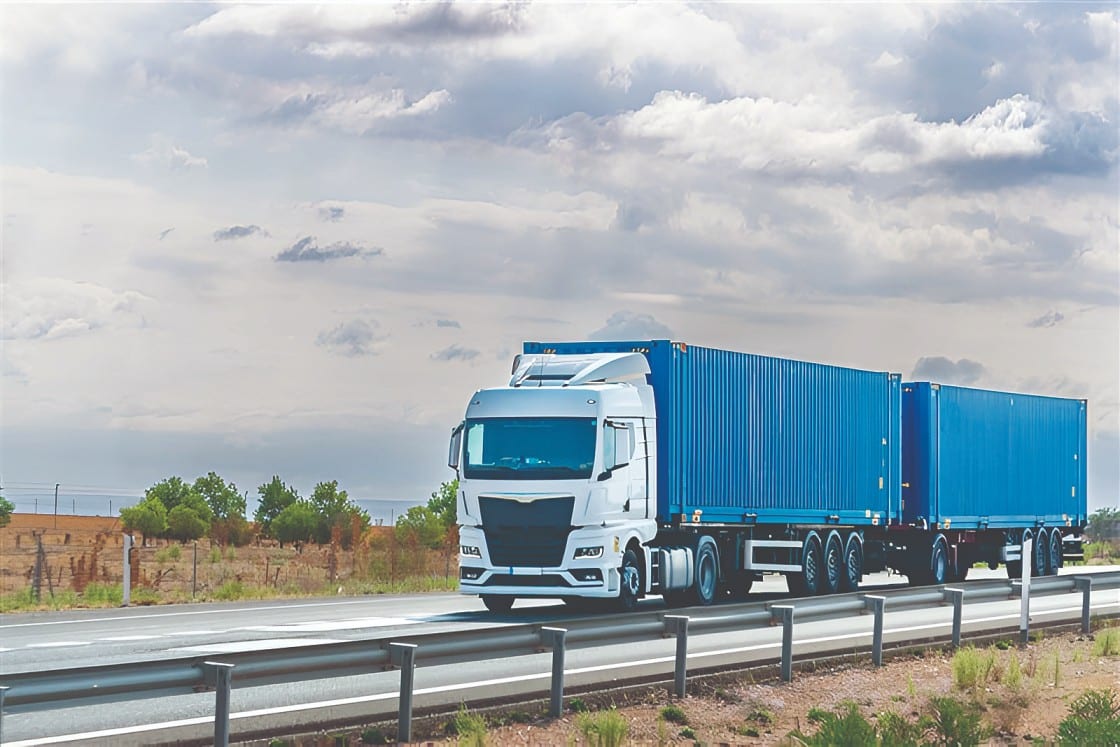

Gati Shakti, aim to reduce logistics costs from 16 per cent to eight per cent, making high-capacity transport solutions a priority.
Safety And Efficiency: The Cornerstones Of Road Train Operation
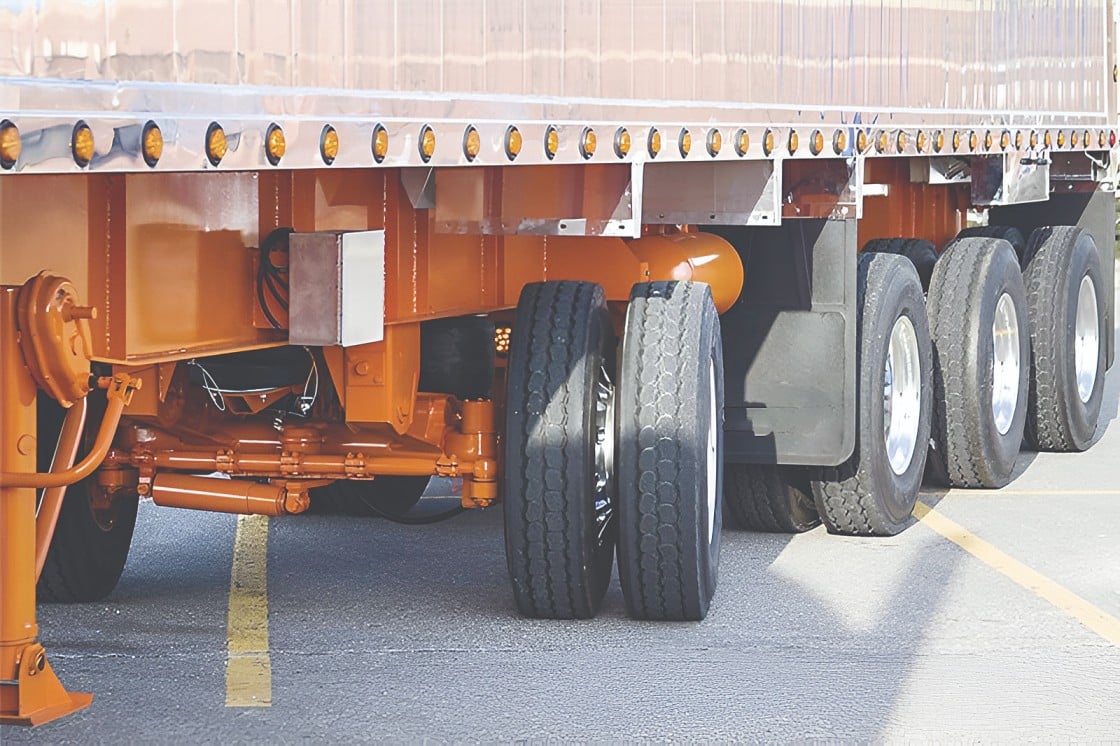
To ensure the safe and sustainable operation of road trains, government regulations mandate the integration of critical safety solutions, including 360-degree camera systems for enhanced driver visibility, requirements for Electronic Braking Systems (EBS) and vehicle stability functions, and specific guidelines around trailer axle configurations. It is also mandatory for all commercial vehicles to have air-conditioned cabins from October 2025 to ensure driver comfort, as it reduces fatigue, thereby helping to avoid mishaps. To further enhance safety and efficiency, road trains incorporate several key technologies. Advanced braking systems, specifically Electronic Braking Systems (EBS), significantly reduce braking distances, which is crucial for preventing accidents, and an integrated ABS ensures stability and steerability during braking. Roll-over stability systems help stabilise the trailer in critical situations, significantly reducing the risk of roll-overs. Air suspension control provides equalisation of the inflating or deflating of the air suspension, ensuring better vehicle stability. Steering axle locking mechanisms automatically lock self-steering axles during reverse, enabling straight movement and maintaining stability at high speeds. Communication systems enable full EBS functionality for extra-long vehicles, ensuring synchronised braking across all trailers. Finally, combined emergency braking valves streamline functionality by combining the functions of emergency braking and park release.
The Road Ahead
While the expressway network is expanding, last-mile connectivity is a challenge. Road connectivity from within the industrial zones, manufacturing centres, and ports is a challenge. Often, these vehicles must pass through urban centres, which is a challenge for multi-axle transport vehicles. So, while the intercity network is improving, intracity to port/manufacturing/industrial zones also need focus.
As India’s logistics industry evolves, the demand for road trains will continue to grow. By prioritising safety and efficiency and by implementing advanced technologies, India can unlock the full potential of these high-capacity transport solutions and drive economic growth. The successful implementation of road trains, as demonstrated by the first certified road train flagged off in February, marks a significant step towards a more efficient and sustainable logistics future for India.