


When it comes to advanced automotive engineering, every detail and every gram count, writes Raunak Dhoot.
From the aerodynamics of the chassis to the precision of the suspension geometry, modern vehicles are an amalgamation of material optimisation and strength-to-weight design. Two innovations are game-changers: inboard chassis hardpoints and Anti-Roll Bar (ARB) supports integrated into the rear bulkhead. Together, they promise lighter, stiffer, and more aerodynamically efficient designs, setting the stage for the next generation of high-performance cars.
The Genius of Inboard Chassis Hardpoints
Think of inboard chassis hardpoints as the cornerstone of modern suspension design. These structural mounting points sit within the vehicle’s chassis, providing robust attachment points for control arms, pushrods, and pull-rods. By integrating these hardpoints into the rear bulkhead, engineers have unlocked many benefits that redefine suspension performance.
Why Inboard Hardpoints Are a Big Deal
Strength in Design: Inboard hardpoints streamline the load path, distributing forces efficiently across the chassis and reducing stress hotspots.
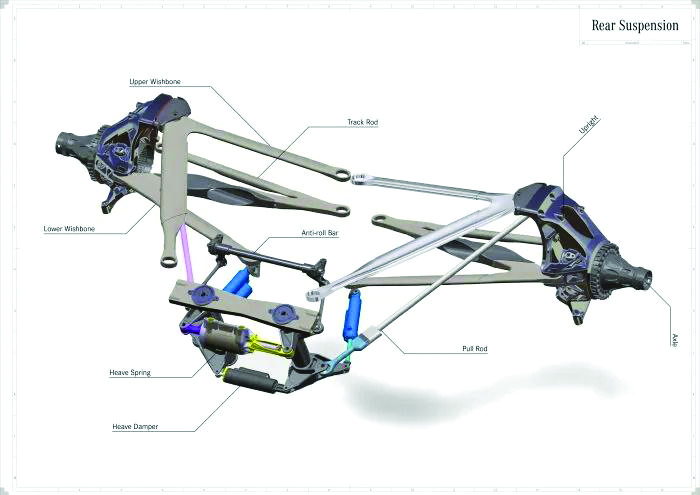
Sharper Handling: Fewer deformations mean tighter suspension control, giving drivers unmatched precision on the track or the road.
A Gift for Aerodynamics: By tucking suspension components closer to the chassis, inboard designs reduce drag and create cleaner airflow—a critical factor for both speed and efficiency.
Less Unsprung Mass, Better Ride: Keeping suspension components inboard lightens the load on each wheel, improving tyre grip and overall ride comfort.
Cool Fact: Formula 1 teams pioneered the use of inboard hardpoints in their quest for ultimate speed. By eliminating bulky outboard suspension mounts, they’ve achieved sleeker bodywork and razor-sharp aerodynamics.
n Bulkhead-Mounted ARBs: Small Change, Big Impact
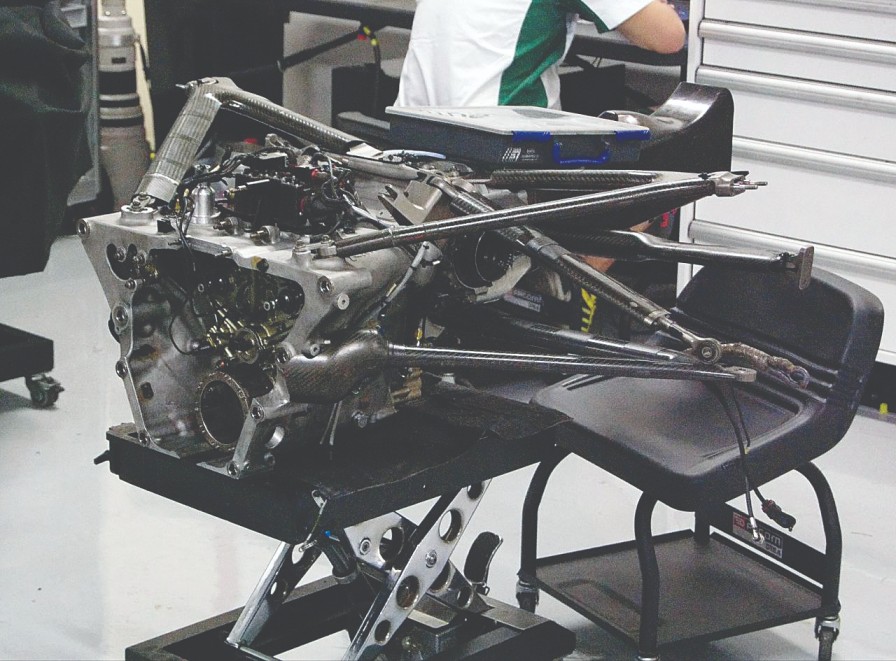
Anti-roll bars are the unsung heroes of vehicle stability, reducing body roll and ensuring all four tyres stay planted. But where they’re mounted makes all the difference. Integrating ARB mounts into the rear bulkhead takes this vital component to the next level.
What Makes Bulkhead-Mounted ARBs Special?
Stiff and Strong: A rigid bulkhead ensures ARBs perform without flex or loss of efficiency.
Space Saver: Integrated mounts mean fewer brackets and subframes, leaving more room for other components and reducing weight.
Tunable Precision: Adjustable ARB mounts allow engineers to fine-tune roll stiffness, adapting to different track conditions or driving styles.
Pro Insight: Endurance racers like Le Mans prototypes use bulkhead-mounted ARBs to achieve the perfect balance of stability and agility while maintaining lightweight construction.
A Unified Vision: The Rear Bulkhead of the Future Picture this: a single rear bulkhead, sculpted to perfection through topological optimisation, combining inboard hardpoints and ARB mounts into a unified, lightweight structure. This isn’t just a design—it’s a revolution in vehicle engineering.
Why the Unified Bulkhead Works Weight Loss for the Win: Topology optimisation ensures material is used only where it’s needed, cutting unnecessary weight while maintaining strength.
Aerodynamics on Point: The compact design of inboard hardpoints and ARB mounts reduces drag and smooths airflow under the car.
Track-Ready Stiffness: A stiffer bulkhead means better suspension response and less chassis flex during high-speed cornering.
Streamlined Manufacturing: By combining multiple components into one, production becomes simpler and more cost-effective.
Did You Know?
Electric race cars are already exploring unified bulkhead designs to house rear motors and differentials, proving the concept’s versatility.
Testing the Limits: How Do We Know It Works?Great ideas need proof, and that’s where engineering tests shine. Integrated rear bulkheads undergo rigorous evaluations to ensure they deliver on their promises.Testing in Action:
Virtual Stress Testing: Finite Element Analysis (FEA) simulates real-world forces, highlighting weak spots and optimising material use.
Dynamic Load Trials: Prototypes are subjected to cornering, braking, and acceleration forces to validate their durability.
Track-Day Data: On-the-ground performance tests reveal how these innovations translate to lap times, handling, and driver confidence.
Real-World Example: Engineers developing a high-performance EV bulkhead used FEA and track testing to refine load paths and ensure the design could handle the immense torque of an electric motor.
The Road Ahead
The fusion of inboard hardpoints and ARB mounts into a topologically optimised bulkhead is just the beginning. Future advancements could take this concept even further.
What to Watch for Material Innovations: Think carbon-fibre composites that’re lightweight and ridiculously strong.
3D Printing Power: Additive manufacturing could create even more intricate designs, pushing topological optimisation to its limits.
Smart Systems: Imagine active anti-roll bars embedded in the bulkhead, automatically adapting to driving conditions.
The Final Word
The integration of inboard chassis hardpoints and anti-roll bar mounts into a unified, optimised rear bulkhead isn’t just an engineering triumph—it’s a glimpse into the future of automotive design. Lighter, stronger, and more aerodynamic, these innovations are paving the way for faster, more efficient, and more exciting vehicles. The road ahead looks thrilling, and we’re just getting started..
———————————-
The views expressed by the author are his own and do not necessarily reflect the views of CV Magazine.