

India is rapidly transforming its logistics ecosystem to meet the standards set by mature markets, such as the European Union and the United States, writes Ashish Bhatia.
Historically, logistics costs in India were estimated to be ~14–16 per cent of the country’s GDP, significantly higher than the five to six per cent typically seen in advanced economies. However, research from NCAER (commissioned by DPIIT and peer-reviewed by the World Bank) places the figure at 7.8–8.9 per cent of GDP for FY2021–22, aligning closely with government targets of sub-nine per cent by 2027–28. Policy initiatives, infrastructure investments, and industry-led modernisation drive this shift.
To contextualise this change, another metric stands out. India’s average road transport cost is an estimated Rs. 1.90 per tonne-km, nearly double that of the US and EU (Rs. 0.90–1.00), pointing to structural inefficiencies in utilisation, modal mix, and infrastructure. Bridging this gap requires a strategic focus on surface-transport-enabled integration that enhances efficiency from the first mile to the last mile, benefitting manufacturers, OEMs, fleet operators, and policymakers alike.
Global Benchmarks vs. India’s Logistics Costs
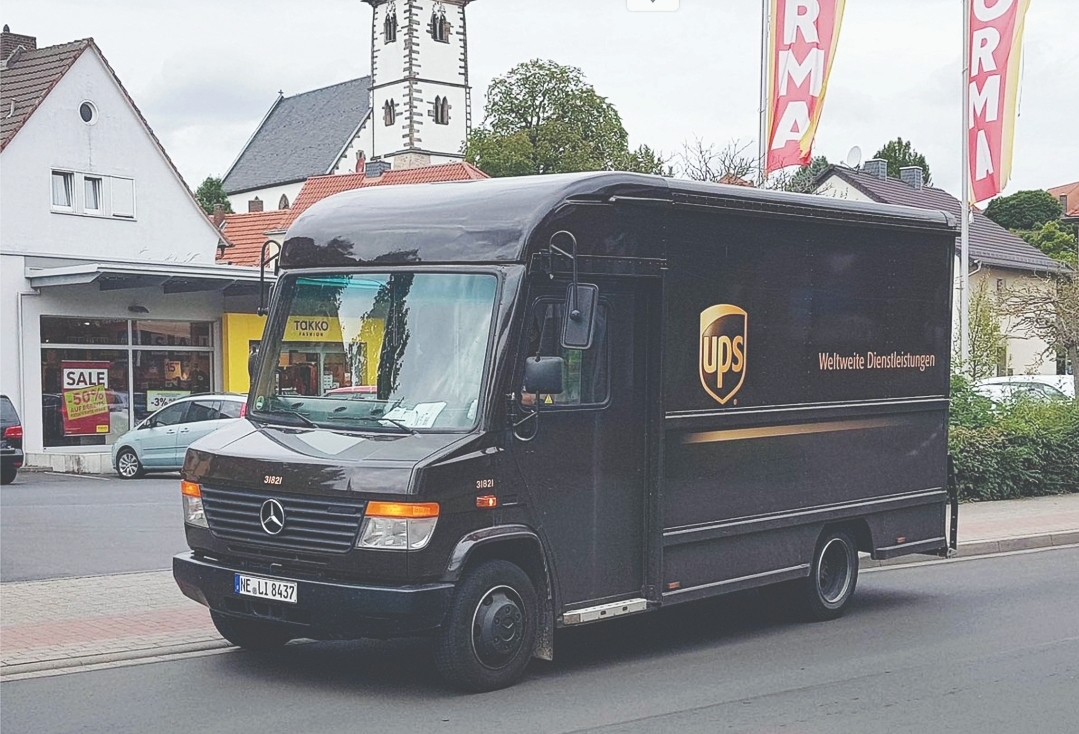
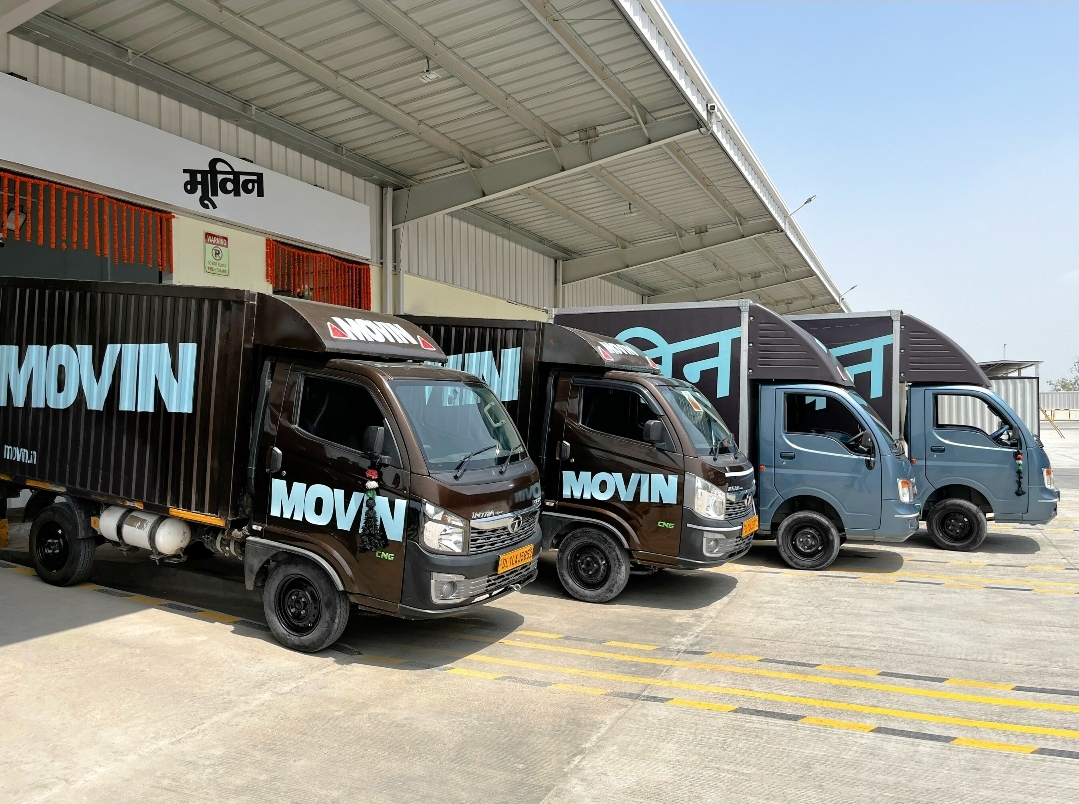
Global logistics systems, rooted in multimodal integration using road, rail, water, and air efficiently, achieve costs as low as five to six per cent of GDP. According to the Journal of Logistics Management (2022), Europe’s logistics efficiency is driven by consolidated trailers, modal shift incentives, and mechanised operations. Surface Transport in the 3-Mile Framework. The name United Parcel Service (UPS), one of the world’s largest package delivery and supply chain management companies and a global giant comes to mind. UPS has partnered with InterGlobe Enterprises (which also owns IndiGo airlines) to create MOVIN, a new logistics brand focused on the Indian market.
For a truly integrated system, logistics efficiency must be addressed across every segment of the journey. In the case of the ‘First Mile’, ports, factories, and Multimodal Logistics Parks (MMLPs) need seamless access. Through initiatives like Sagarmala and Bharatmala, the government is constructing dedicated access roads and rail lines totalling thousands of kilometres. Coastal ports such as Vizhinjam and Mulapeta now benefit from streamlined links, significantly reducing dwell time.
In the case of ‘Mid-Mile’, India is deploying road trains (up to 25 m long units with safety protocols like electronic braking and rollover stability). Modelled after European and North American long-hauliers, they are projected to reduce TCO by ~30 per cent per trip. Parallel rollout of Dedicated Freight Corridors (DFCs), Western and Eastern, allows 99 kmph average speeds, replacing 70-truck trains with single cargo trains and reducing transit times substantially.
In the case of the ‘Last Mile’, the final leg remains friction-prone, but PM Gati Shakti’s roadmap includes better last-mile assets and streamlined permit processes. Digital tools like the evolving Unified Logistics Interface Platform (ULIP) and E-Way bills offer robust cargo visibility and transparency.
wwOEMs & Equipment Are Enabling Capacity & Performance
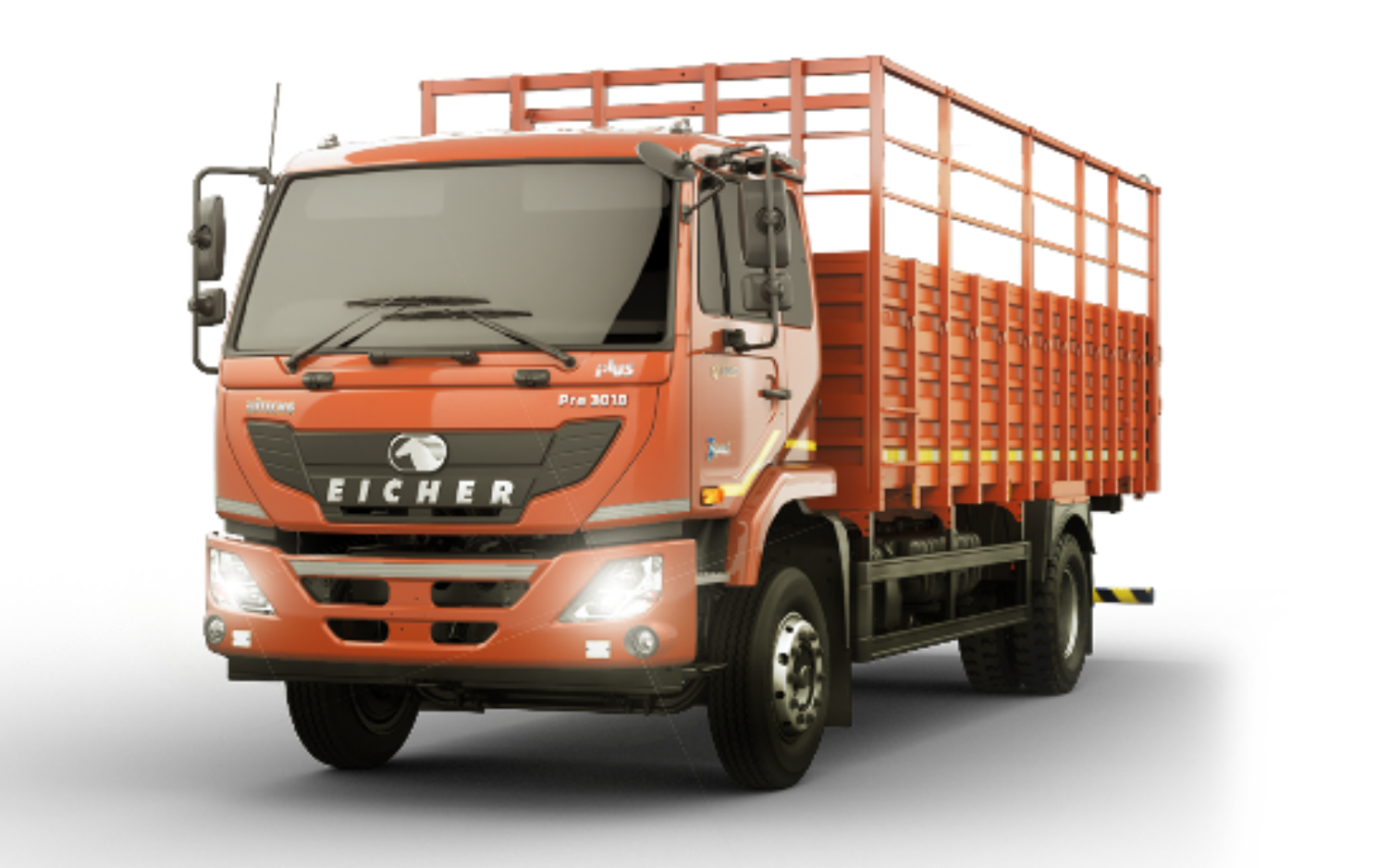
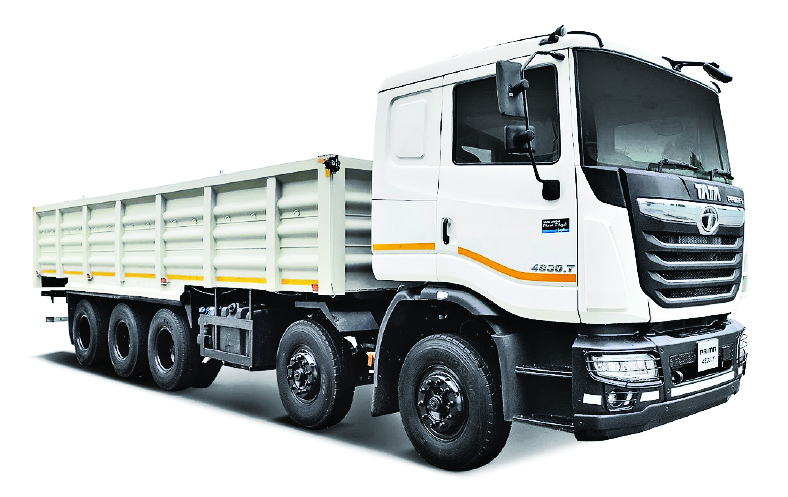
India’s truck OEMs are enabling logistics transformation. OEM Platforms like the Tata Signa and Tata Prima platforms, Eicher Pro 3000/6000, and Ashok Leyland’s AVTR, for instance, serve the long-haul and tipper applications with telematics, uptime management, and optimised payload capacities through ICE and green fuel alternatives with next-generation platforms showcased earlier this year. Blue Energy Motors’ LNG trucks report ~30 per cent lower CO₂ emissions and competitive operating economics. The Adani hydrogen-truck pilot in coal logistics corridors is claimed to achieve zero-CO₂ transport over long-hauls (~200 km+ daily).
Connected Telematics And Fleet Operator Practices
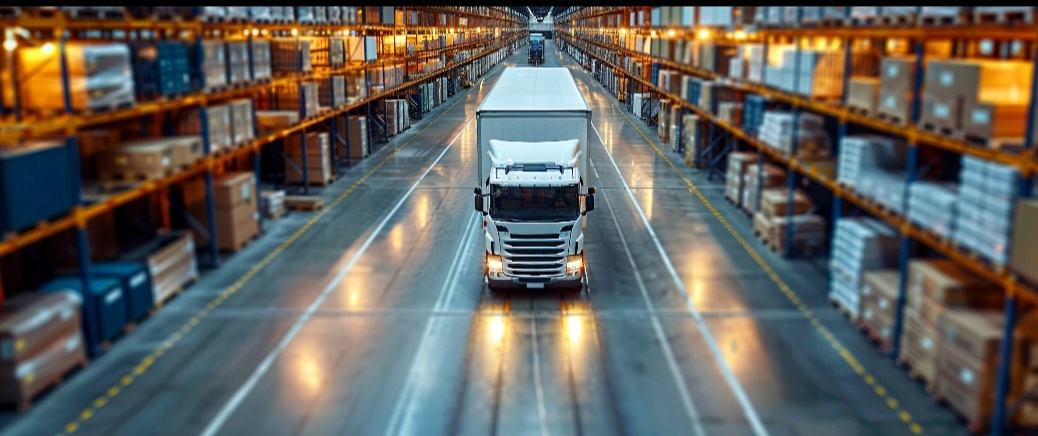
DHL SmarTrucking and Mahindra Logistics deploy integrated telematics, uptime centres, and predictive maintenance systems. They report reliability improvement through informed route optimisation and 24/7 issue resolution. Modern fleet managers are reshaping the logistics landscape through Digital Platforms and Aggregation Models. Firms like Delhivery and Driver Logistics manage consolidated warehousing across states and invest in domestic-standard logistics facilities, reducing empty-km usage significantly.
New Business Models And Decarbonisation Of Aging-fleet
Asset-light platforms help shippers and fleets coordinate pickups, reducing fragmentation, key to unlocking efficiency. App leveraging incentives from the scrappage scheme, enabling EV truck adoption and fostering leasing/BaaS rollouts in fleet segments. India’s ongoing round of infrastructure modernisation includes Road trains with prerequisites like EBS and rollover stability. 100,000 new warehouses, supporting mechanisation and multi-quality standards. MMLPs that facilitate sorting, cross-docking, and multimodal integration are dependent on good road access and digital tracking. By integrating loading/unloading efficiency, cross-docking, and storage at strategic touch points, logistics chain delays can be reduced dramatically.
Policy & Regulatory Framework
National Logistics Policy & PM Gati Shakti’s 2.0 roadmap seeks a nine per cent logistics cost target by 2027–28. Liquidity-supported PPP projects for inland waterways and ports under Sagarmala provide fiscal impetus for infrastructure. Mandates for road train safety, registered through RTO systems, go into effect by October 2025. The scrappage scheme continues, enabling asset renewal. Warehousing standards are codified under WDRA; MMLP rollout accelerated.
Role of Stakeholders
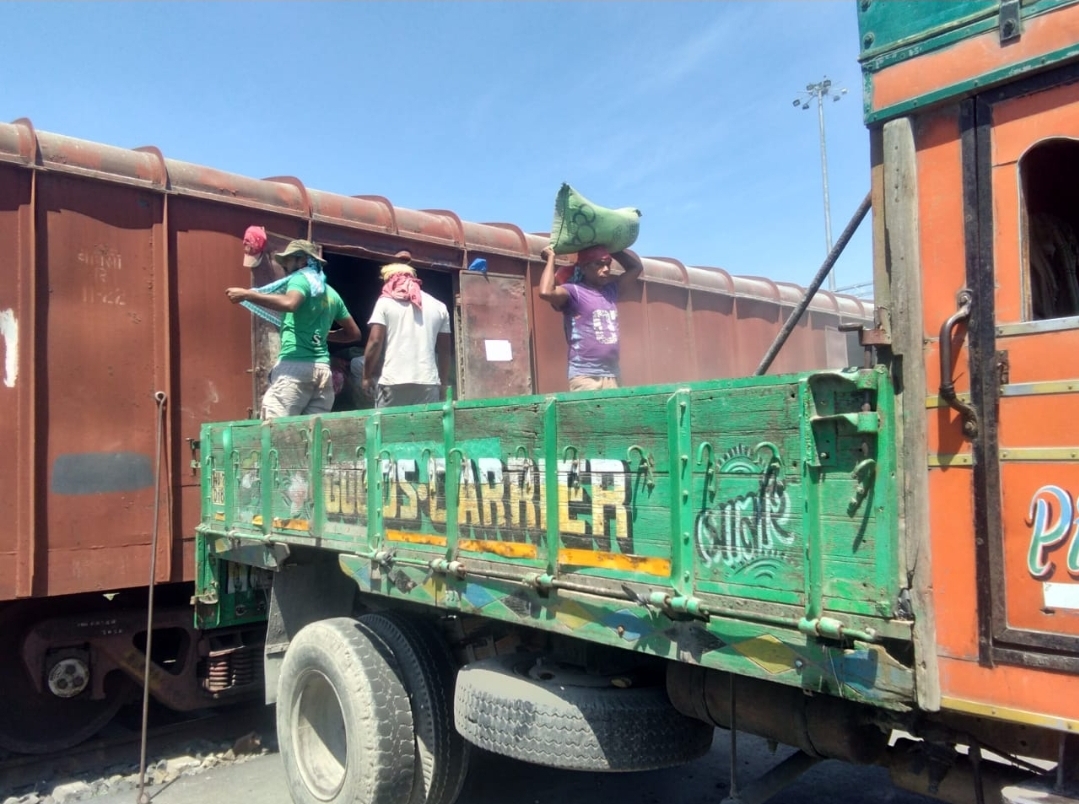
The Government is building enabling infrastructure, regulating road train safety, and subsidising fleet modernisation. OEMs are building optimised haulage platforms, telematics systems, EV and alternative-fuel fleet options. Fleet operators are embracing digital platforms, optimising asset deployments, and green fleets. Warehousing & Tech Partners are adapting load automation, platform aggregation, and information inter operability. The Financial Sector is providing leasing, lower interest financing for young fleets, and EV adoption.
India aims to reach a five to six per cent GDP logistics cost by mid-2030s if infrastructure, digital networks, and fleet modernisation align. Continued investment in road train fleets and MMLPs is seen as a catalyst for long-haul logistics transformation. The scrappage-led transition could produce a significant leap in average fleet age and compliance. EV and alternate-fuel truck penetration supported by OEM leasing programs could reduce carbon footprints and reduce operating expenses by 15–20 per cent. India’s surface-transport-based integration is expected to forge a logistics paradigm shift shaped by global best practices.