

In India’s fast-evolving trucking landscape, safety engineering is moving beyond regulatory compliance. At Tata Motors, the approach to truck cabin safety reflects this shift, writes Ashish Bhatia.
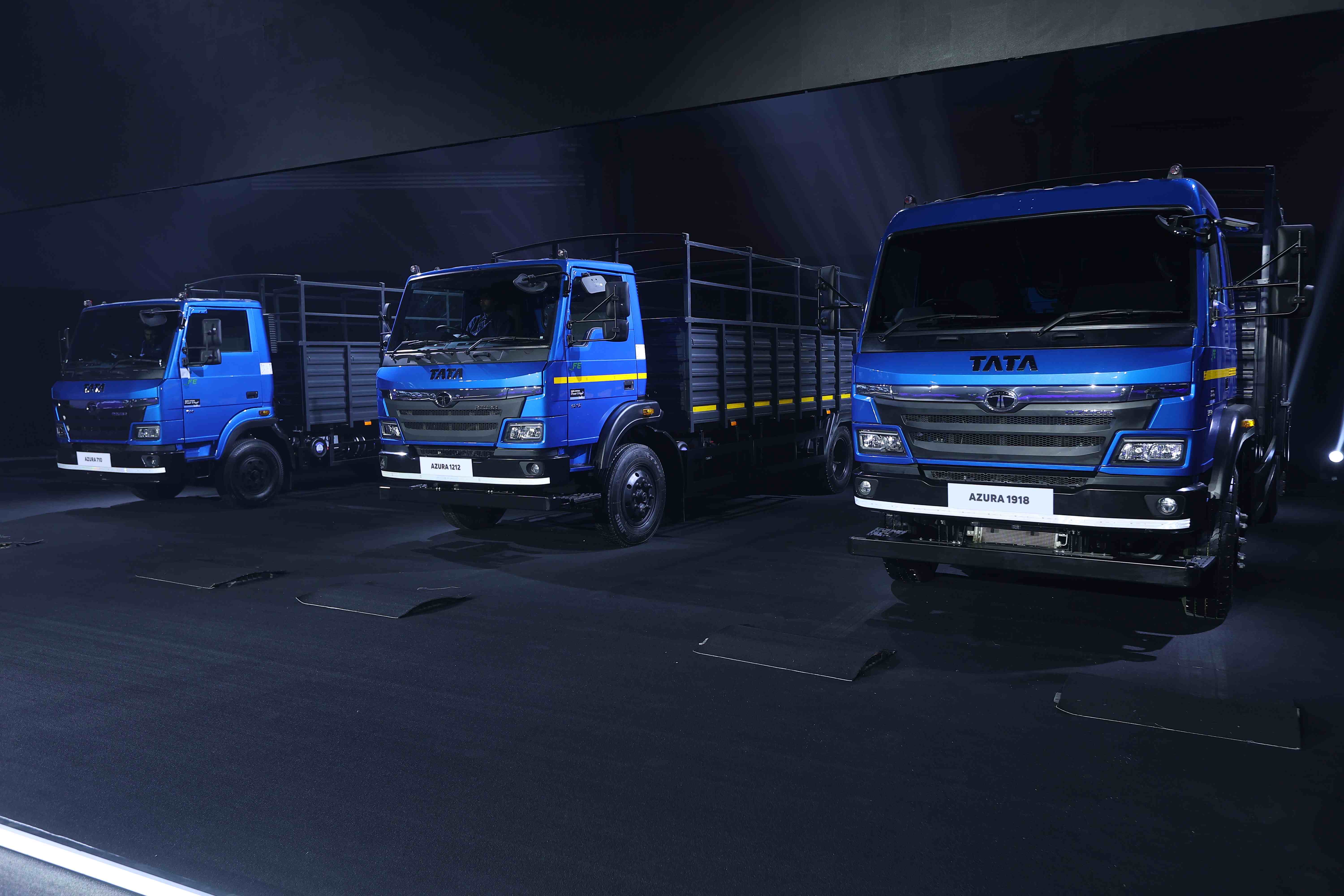
Rather than limiting development to meeting global certification standards, the company’s engineering teams have examined real-world crash data from Indian highways to better understand how accidents actually unfold on the road. The analysis focused on factors such as collision angles, structural deformation patterns and intrusion risks observed in heavy-vehicle crashes. These insights helped engineers develop what the company calls “due-care” validation scenarios. Additional testing frameworks designed specifically to reflect Indian operating conditions. The aim is to push cabin performance beyond minimum regulatory thresholds and ensure trucks remain structurally resilient even in severe crash situations common on high-speed corridors.
By integrating global crash standards with local accident intelligence, these engineering interventions elevate the cabin from being merely compliant to genuinely protective for drivers operating in demanding environments.
Why Cabin Safety Matters for Drivers
For truck drivers, the integrity of the cabin structure can be the difference between life-threatening injuries and survivable outcomes during an accident. Cabins designed to comply with ECE R29.03 safety standards are engineered to maintain a defined survival space, limiting structural intrusion during frontal impacts, rollover events or heavy load transfers. In practical terms, this means the truck’s cabin acts as a reinforced protective shell, helping absorb and distribute crash forces while safeguarding the driver compartment.
A Business Case for Safer Trucks
Cabin safety is also emerging as a strategic consideration for fleet operators. Stronger cabins can reduce accident severity, protect valuable cargo and minimise costly operational disruptions. For transporters, safer vehicles translate into better asset protection, reduced downtime and potentially lower repair and insurance costs.
There is also a human factor at play. As driver shortages become a persistent challenge across the logistics sector, trucks that prioritise driver safety and comfort can improve driver confidence, retention and recruitment. Over time, this contributes to stronger fleet reliability and higher operational uptime.
A Turning Point for Indian Trucking
The adoption of ECE R29.03-compliant cabins across an entire truck portfolio marks a significant milestone for India’s commercial vehicle sector. It reflects a broader shift in mindset—from treating safety as a secondary feature to recognising it as a core pillar of vehicle engineering and business continuity.
As India’s logistics networks expand and freight movement accelerates, structurally stronger cabins backed by data-driven validation and global safety benchmarks will play a defining role in the industry’s future. The message is becoming clear across the trucking ecosystem: safer trucks are not just good engineering, they are good business.