


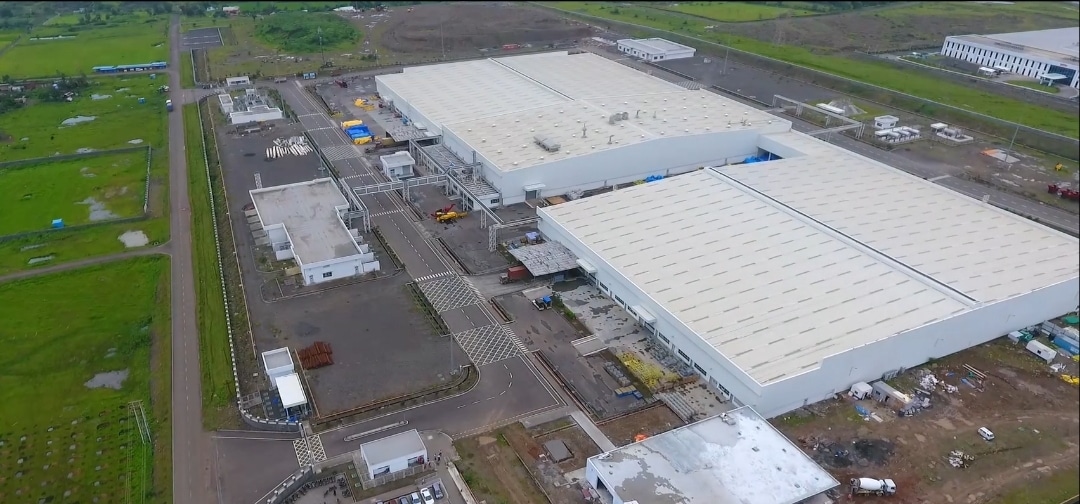
As India accelerates its journey toward becoming a developed economy, agricultural mechanisation is increasingly being positioned as a critical enabler of productivity, efficiency and sustainability. CNH’s manufacturing facility in Pune is emerging as one of the key centres supporting this transition.
Spread across 280,000 square metres, the Pune plant produces a wide range of farm equipment including combine harvesters, sugarcane harvesters, small square balers, tractors, headers, cabs and implements. The facility integrates advanced fabrication systems, automated paint shops, structured assembly lines and rigorous testing protocols, reflecting global manufacturing standards while catering to Indian farming conditions.
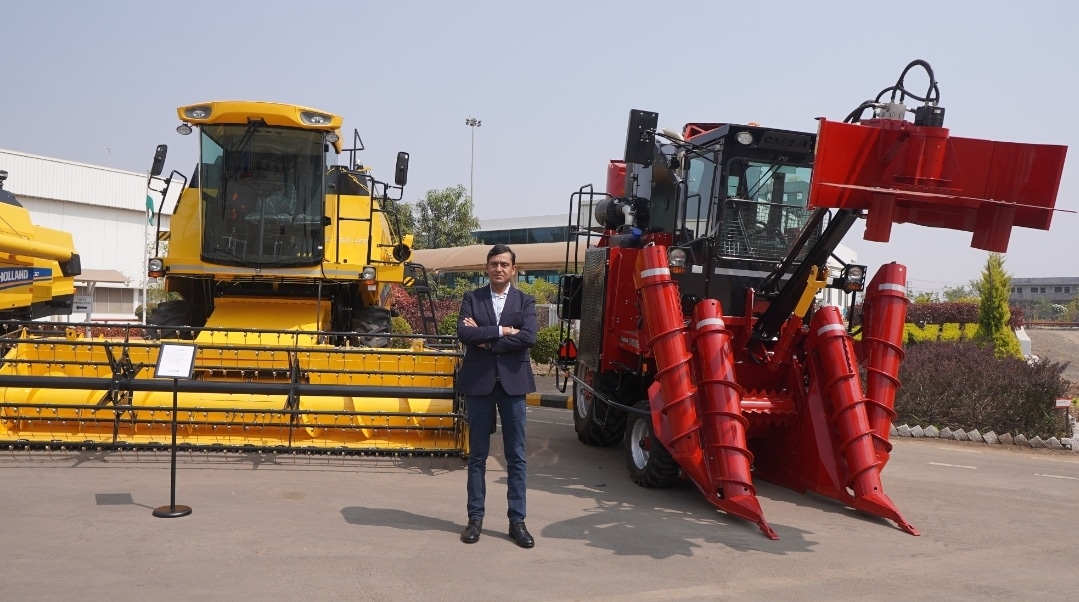
The company holds over 50% market share in the sugarcane harvester and small square baler segments in India and leads the cab combine harvester category. In 2023, it introduced India’s first TREM-V emission stage compliant sugarcane harvester, marking a step forward in aligning farm equipment with evolving emission norms.

Narinder Mittal, President &Managing Director, CNH
According to Narinder Mittal, President & Managing Director, CNH India region, the Pune facility represents a strategic manufacturing hub for both domestic and export markets. He emphasised that mechanisation will play a decisive role in strengthening farm productivity as India modernises its agricultural ecosystem.
Despite progress, mechanisation penetration remains relatively low below 5% in sugarcane harvesting, under 30% in grain harvesting and just 2% in crop residue management indicating significant headroom for growth. This gap presents opportunities not only for equipment manufacturers but also for agri-entrepreneurs and biomass aggregators.
Beyond manufacturing, CNH has been investing in skill development and agricultural extension initiatives in Maharashtra, including training programmes for youth, promotion of drone and digital technologies, sustainable sugarcane cultivation practices and crop residue management awareness.
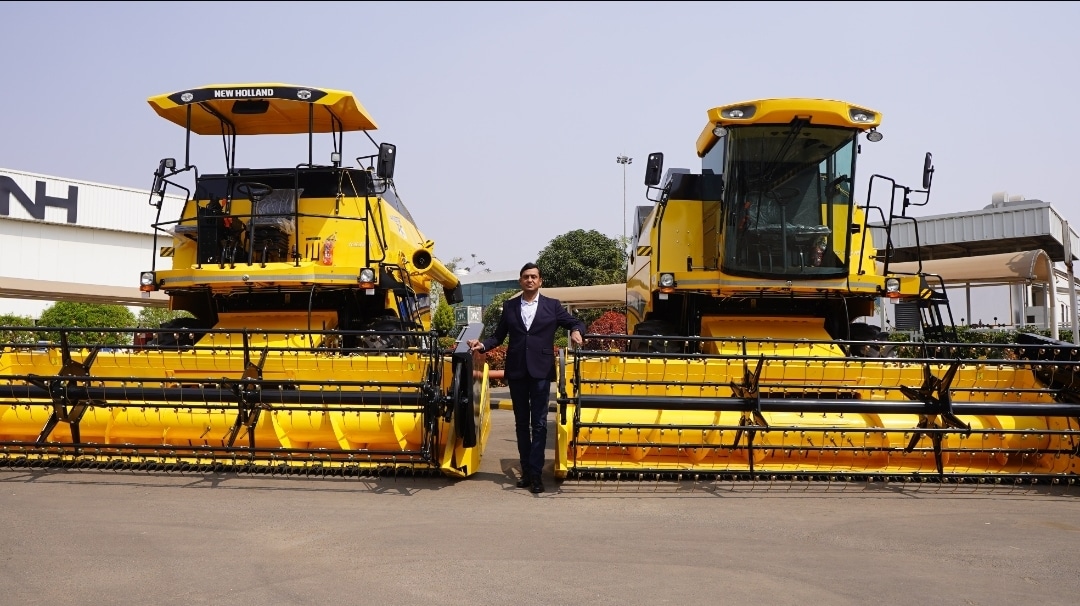
The Pune facility has also received IGBC certification and industrial safety awards in recent years, aligning its operations with broader sustainability and safety benchmarks under the company’s 2030 roadmap. Community initiatives around the plant include school infrastructure support and mobile healthcare services.
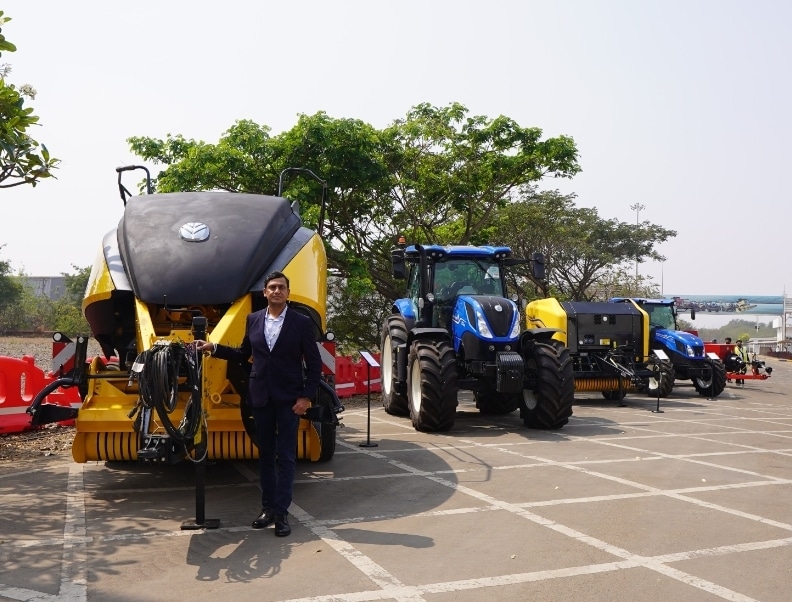
As India’s agriculture sector navigates labour shortages, cost pressures and sustainability expectations, facilities like CNH’s Pune plant underscore how domestic manufacturing and technology localisation are becoming central to the mechanisation narrative.