

By leveraging AI-powered, smart buses, MSRTC hopes to transform its operations. An aging fleet and growing losses continue to be the odds, writes Sahil Kesari.
There is a crushing load on the Maharashtra State Road Transport Corporation (MSRTC). According to a recent white paper, cumulative losses climbed by 124 percent over five years, from Rs. 603 crore in FY2018-19 to Rs. 10,324 crore in FY2023-24. MSRTC has only turned profitable eight times in the last forty-five years as per an estimate. Unaudited data shows that the cumulative load increased by Rs. 1,217 crore in FY2024-25.
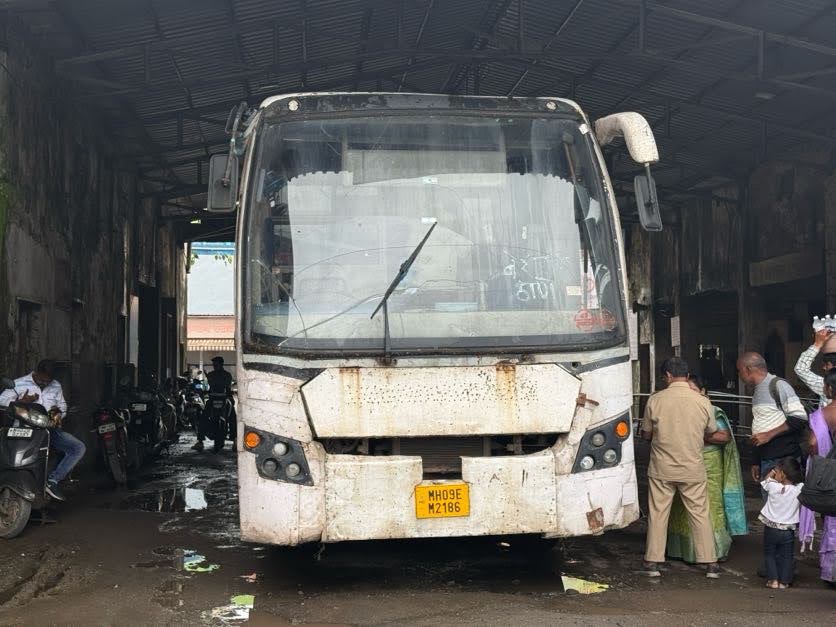
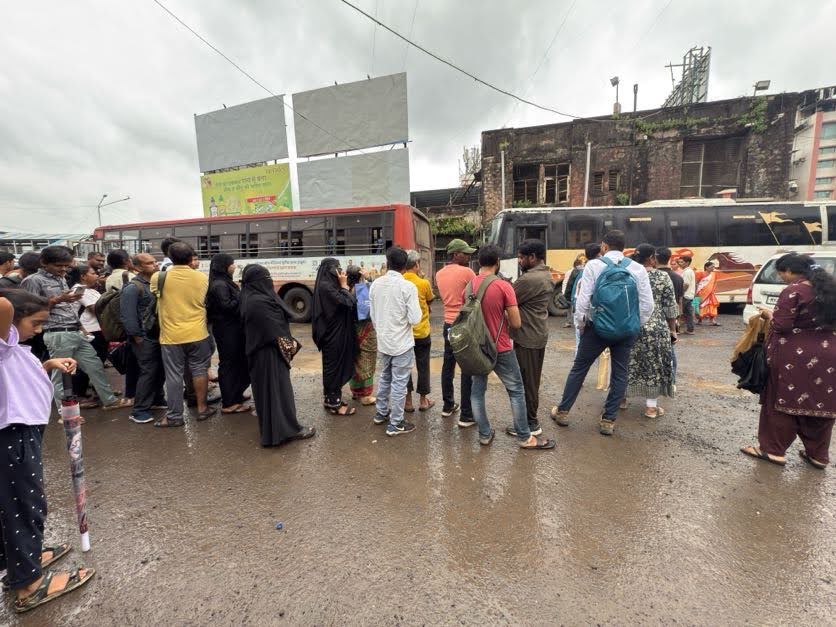
Operating conditions at MSRTC are an area that needs some doing. The fleet has shrunk from over 18,000 buses to about 15,560 its pensions are unpaid, and it has laid off about 86,300 employees. Even Maharashtra Transport Minister, Pratap Sarnaik acknowledged that short-term profitability is not attainable. The corporation’s daily operations now face strain from both workforce shortages and outdated maintenance facilities, making routine scheduling a complex task. Add to it, it plays a crucial role in the festive season!
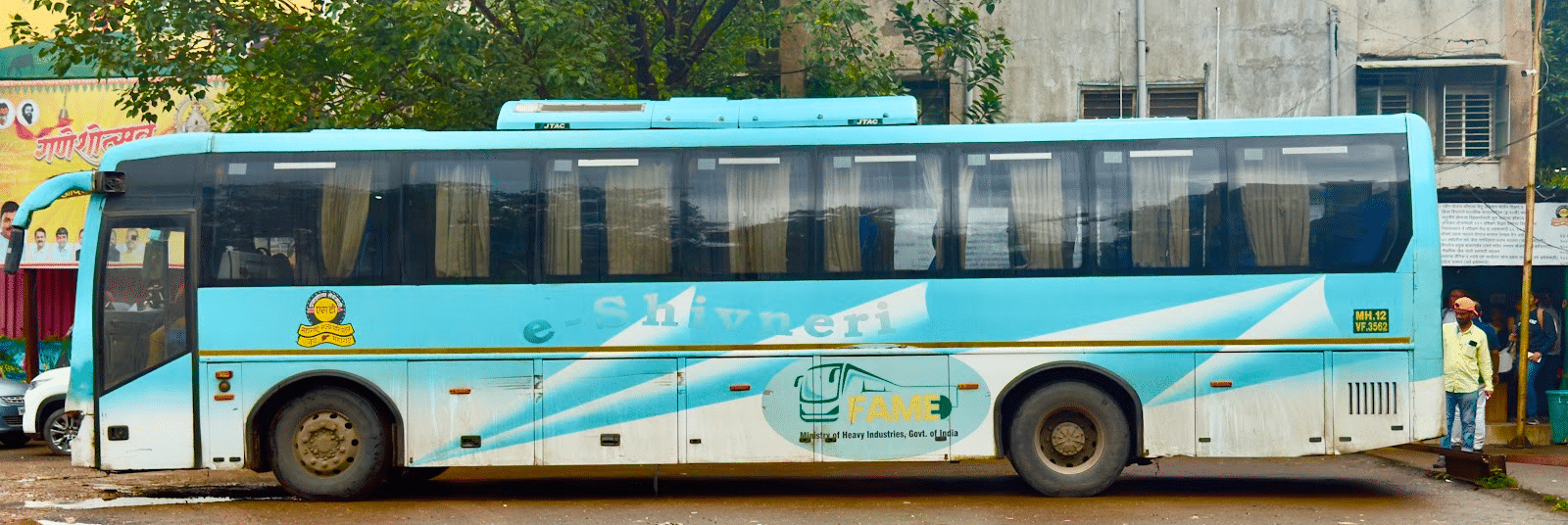
Maharashtra is eyeing a Rs. 2,300 crore turnover with the introduction of 3,000 buses equipped with Artificial Intelligence in the most recent initiative to turn the tide. Billed as the largest rollout of its kind in India, the big question is whether this investment will result in a recovery or just add to the costs.
Losses Piling Up, Safety Expenditures on the Rise
The operations of MSRTC have long been beset by financial difficulties. Once a rural lifeline, the entity has been operating at a significant loss while cutting back on employee benefits and fleet size to sustain operations. Despite fare hikes and cost-cutting measures, the operational cost-revenue gap continues to widen the deficit. Fuel price volatility alone contributes to sudden spikes in operational expenses, further destabilising the budget.
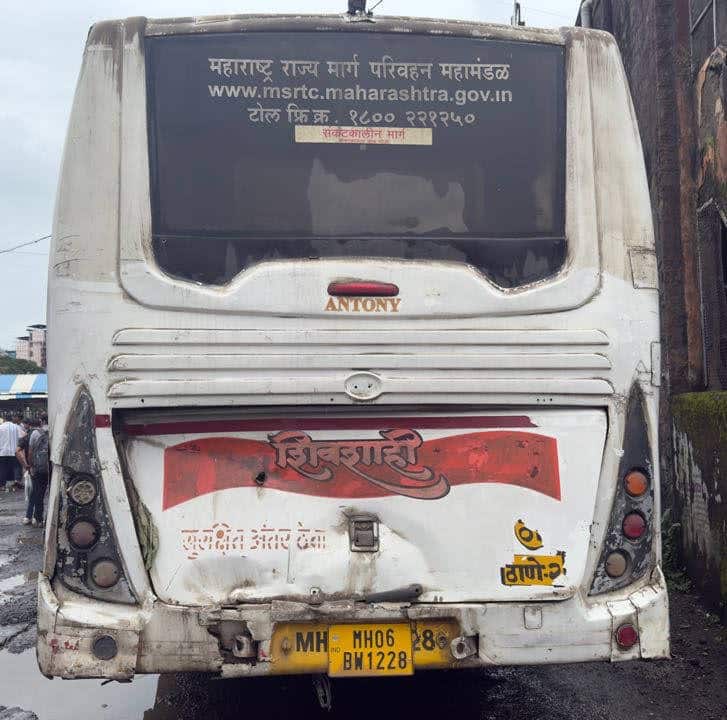
The system has a notable human resource cost. The average accident compensation payout for instance is the recent Rs. 13.6 lakh shelled out for a fatal accident as per court orders. This is a significant burden. Even though there were fewer fatal accidents at MSRTC in 2023 than in previous years, each one still resulted in a significant loss of money and reputation. Rural routes see older buses operating beyond their recommended service life, increasing the likelihood of breakdowns. Local communities rely heavily on these buses, and delays often affect not just commuters but the movement of goods in remote areas.
Transforming Bus Safety Through AI
MSRTC is working to reverse this trend and transition to a data-centric safety system with the 3,000 AI-equipped buses. MSRTC officially announced plans to procure 3,000 AI-enabled smart buses in May 2025. Pratap Sarnaik made this announcement following a meeting with bus OEMs. The Maharashtra government plans to procure all 3,000 buses within six months of the May 2025 announcement, aiming for delivery completion around November 2025. Manufacturers were instructed to present a sample smart bus by the end of May 2025, after which proposals could be submitted. The first AI-equipped smart bus prototype from MSRTC was unveiled in May 2025 and began operations on the Thane–Nagpur route.
Each new bus has been outfitted with:
- AI-based driver monitoring cameras that detect fatigue, mobile phone use, and yawning
- 360-degree CCTV surveillance with four external cameras and internal passenger monitoring
- Advanced Driver Assistance System (ADAS) with collision warnings and lane departure alerts
- GPS tracking for real-time location monitoring
- Anti-theft lock systems with burglar alarms
- Breathalyser systems that prevent bus startup if the driver is intoxicated
- Foam-based automatic fire suppression systems
- LED displays for route information and government messages
- WiFi connectivity and passenger counting sensors
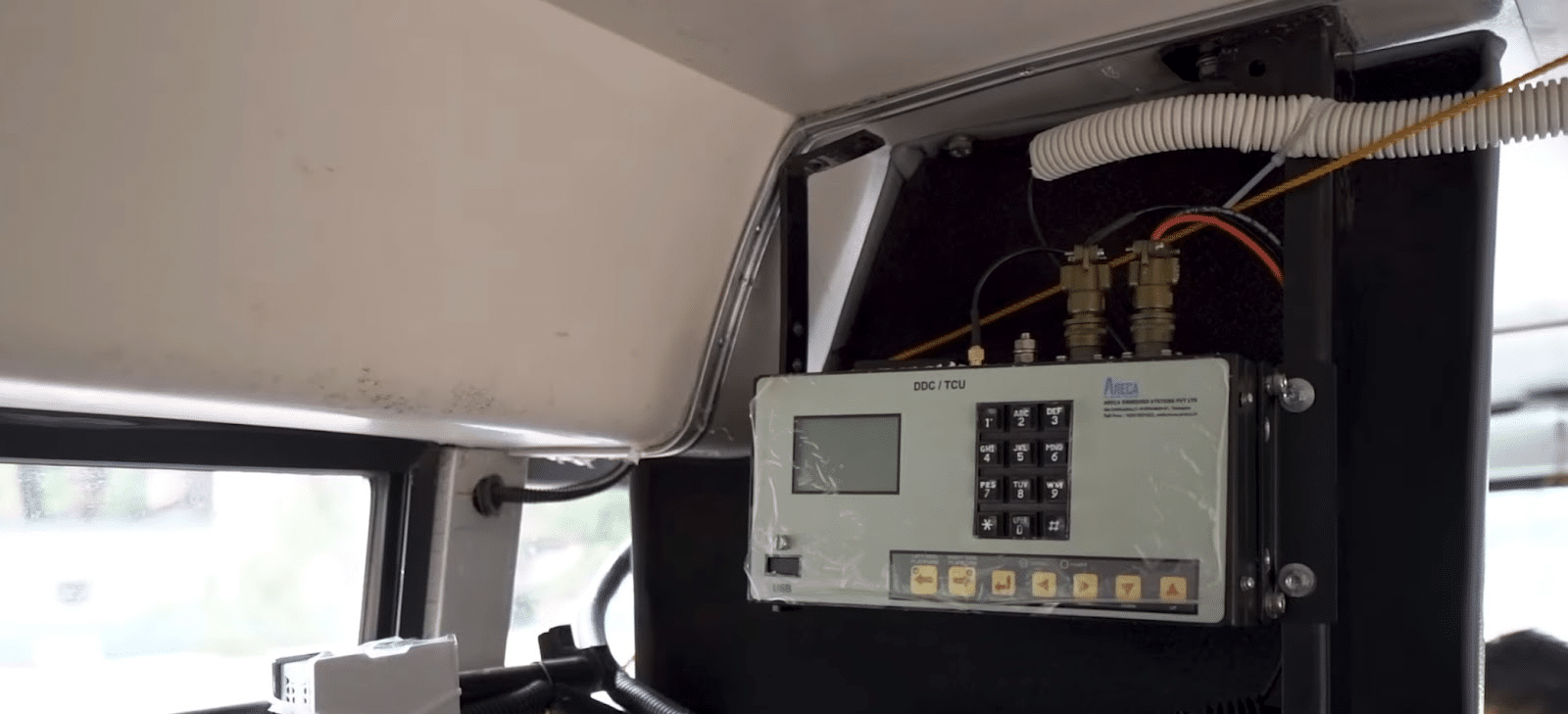
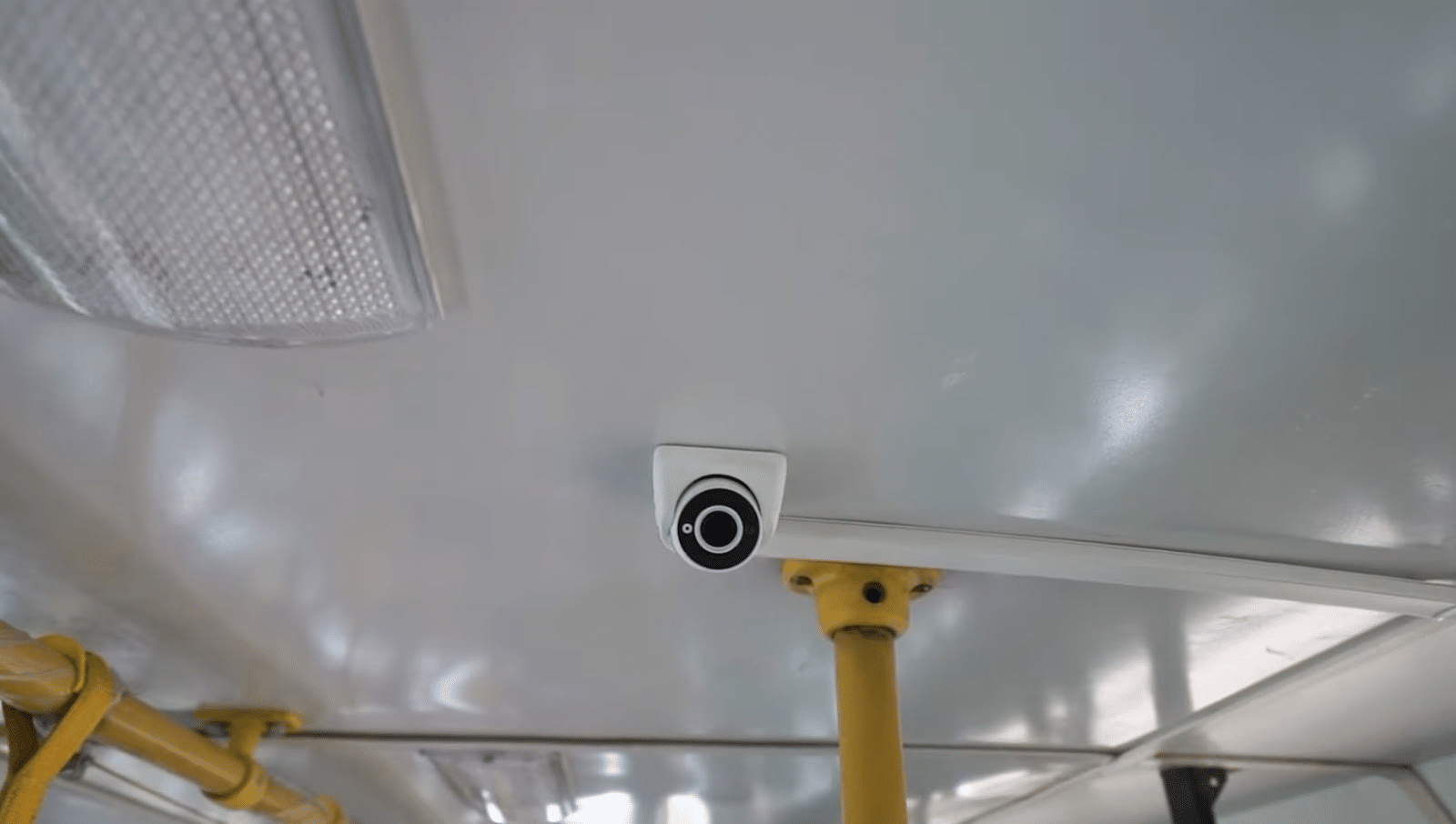
AI is being integrated into the core of bus operations rather than being added on, with each unit providing data to a central control center. In addition to reducing accidents, the goal is to create a feedback loop for scheduling, maintenance, and driver education. This initiative was fast-tracked following security incidents at MSRTC facilities, particularly an unfortunate sexual assualt at Pune’s Swargate bus depot in February 2025 that shook the state. The AI systems are specifically designed to enhance women’s safety and prevent unauthorised access to parked buses. Such systems, if properly implemented, would directly reduce accident payouts, improve reliability, and lead to optimised fuel mileage, all of which currently deplete MSRTC’s finances. However, critics point out that decades of poor management, antiquated depots, and a culture that has failed to modernise cannot be made up for by technology. Without adequate training for drivers and support staff, the effectiveness of AI may be limited, as technology is only as useful as the people operating it.
Investment Beyond AI
Although the most well-known investment is the Rs 2,300 crore rollout of AI-enabled smart buses, MSRTC is also investing a significant amount of money in other modernisation projects. 196 bus depots will have EV charging infrastructure installed by the corporation; 78 depots have already received Rs. 236.71 crore. With Rs. 500 crore approved to improve roads and amenities throughout 191 depots, depot modernisation is underway. In order to save Rs. 34,000 crore in diesel expenses annually, MSRTC also intends to purchase 20,000 hybrid buses over the course of the next two years. These investments demonstrate MSRTC’s efforts to manage budgetary constraints while striking a balance between operational effectiveness, environmental sustainability, and technological innovation.
Two TierBus Manufacturing
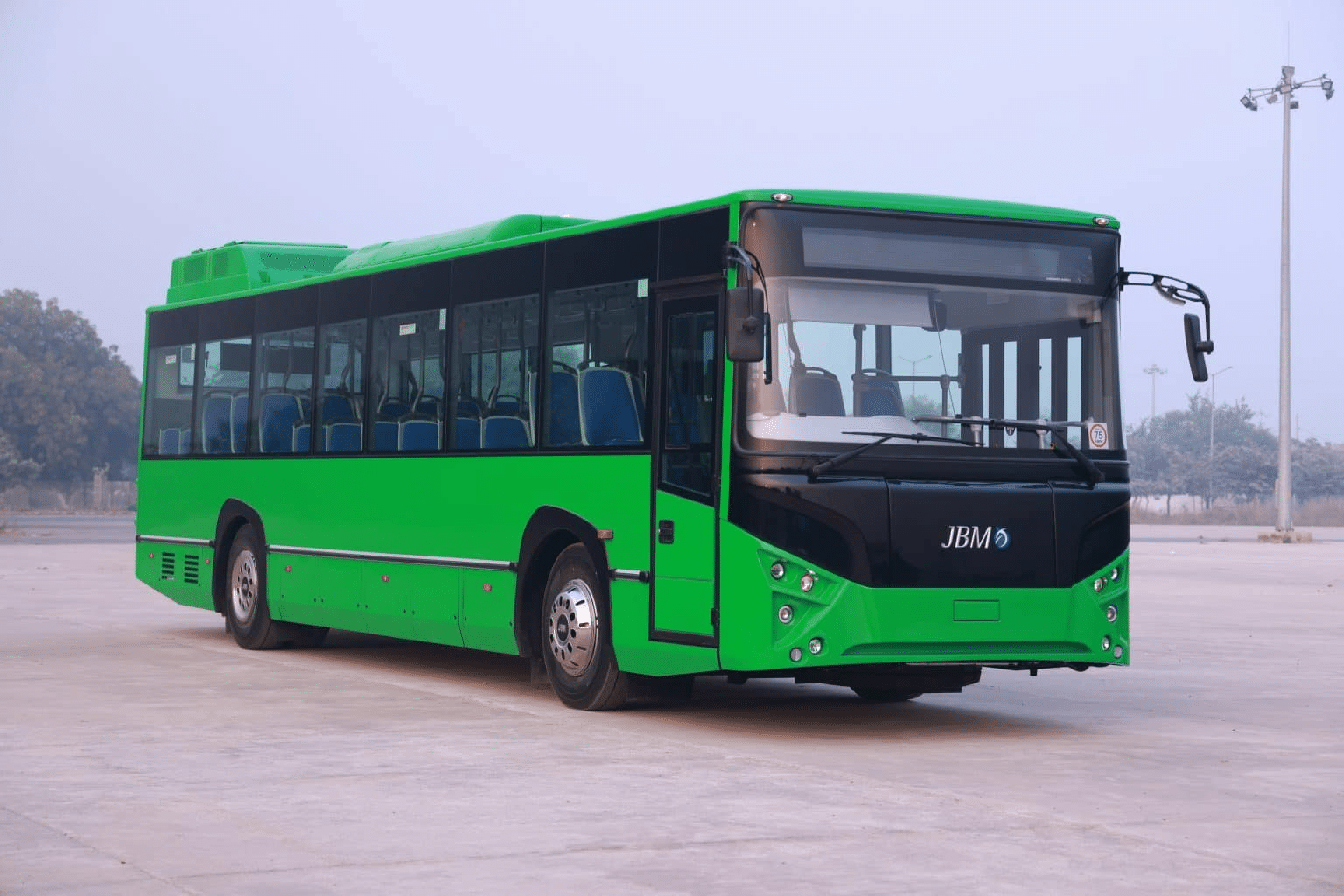
A new hierarchy among the manufacturers was seen during the bidding process for the purchase of these buses. EKA Mobility, a technology-driven vendor with the capacity to provide end-to-end AI solutions, secured a sizable portion of the order from Pune. While the larger MSRTC smart bus tender lists major companies like Tata Motors, Ashok Leyland, and JBM Auto as bidders, EKA Mobility is supplying prototypes and some early fleets for MSRTC’s modernisation plans, demonstrating its capability to provide integrated AI solutions alongside conventional bus manufacturing. This partnership highlights a shift in the industry toward technology-driven mobility platforms rather than simply selling vehicles. Similarly, JBM Ecolife, a subsidiary of JBM Auto, has secured a Rs. 5,500 crore order under the PM e-Bus Sewa Scheme to supply 1,021 electric buses. These buses will be deployed across 19 cities in Gujarat, Maharashtra, and Haryana over a 12-18 months period.
Workforce and Infrastructure Challenges
Despite the emphasis on high-tech buses, MSRTC’s current network presents a different image. The infrastructure used by the majority of depots is decades old, and the average bus age is still somewhat higher. The number of MSRTC employees decreased to approximately 86,300 in FY2023-24 from 107,500 in FY2014-15. Mechanics often have to improvise with limited tools, and spare parts are sometimes delayed by months. The new AI buses require specialised technicians for maintenance. Without a structured upskilling program, operational reliability could be compromised. The Rs. 2,300 crore investment is at a risk because of the mismatch between the promise of AI buses and the actual situation. The new buses could turn into technological silos in an otherwise overburdened system if infrastructure, driver training, and systemic change are not simultaneously invested in. Accidents have decreased by 40 per cent as a result of Telangana’s iRASTE program, which fitted 200 Smart City buses with AI cameras. While Odisha put enforcement systems for monitoring, and Karnataka used AI to track hazardous areas in comparison.
High Financial Stakes
Although MSRTC makes about Rs. 8,000 crore a year, its expenses far exceed that amount. Operating budgets are heavily impacted by fuel prices alone. It is impossible to raise the fare to a level that would balance the books without causing public outcry because it has been a politically divisive issue. How soon the investment in new buses and AI technology will pay for itself. Critics fear that the action will increase MSRTC’s debt before operational benefits become apparent, despite supporters pointing out that reducing accidents and improving fleet efficiency will eventually pay for itself. For STUs in India, the payouts are a general challenge: how to modernise without becoming overburdened by subsidies, costs and growing operating losses.
Whether this balancing act will stabilise the system financially, improve safety, and restore public trust remains to be seen, but the effort itself reflects a conscious attempt by the Maharashtra state government to navigate between ambition and reality.