

Tata Motors’ CV Business is reinventing brand building in a digital-first world, as per Shubhranshu Singh, CMO – Commercial Vehicle Business Unit at Tata Motors, in Part 2 of this conversation with Ashish Bhatia.
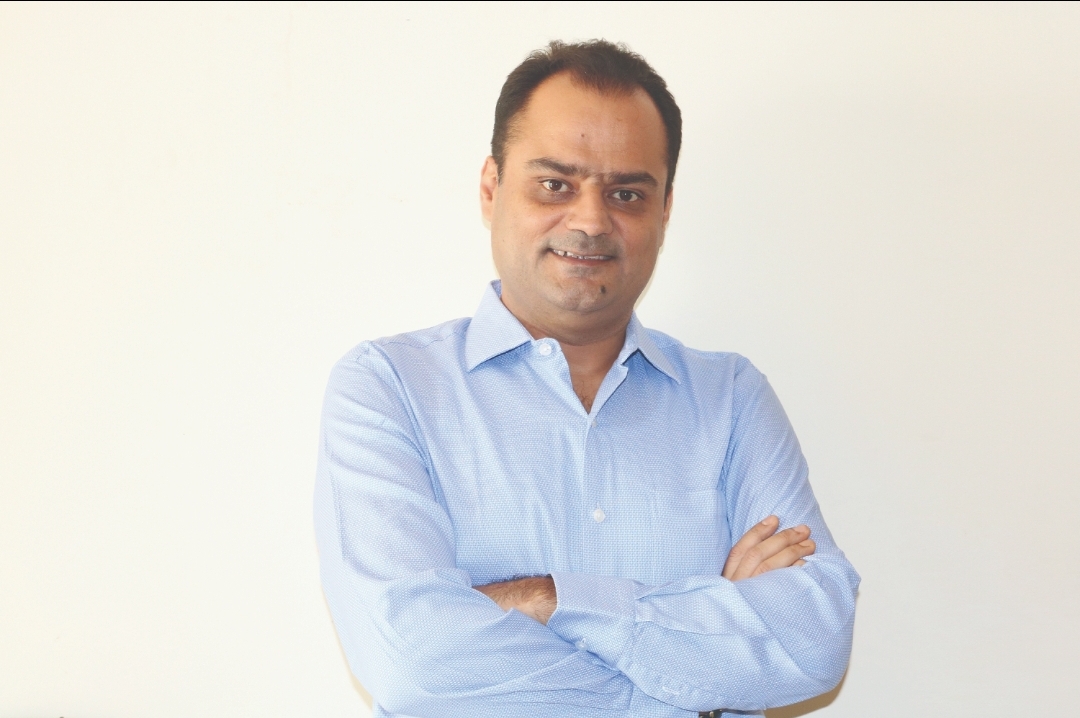
Q. Two years ago, just a handful of content creators regularly covered commercial vehicles. You’ve since built a credible influencer ecosystem across tiers. What has that journey been like?
A: Thank you, it’s great to be back. You’re correct—when we started, there were very few people focusing on dedicated commercial vehicle content. Most were concentrating on passenger vehicles, so we had to introduce them to this field. We’ve worked from the ground up with influencers at the nano, micro, and mega levels to create a credible body of content. The beauty of this process is that these influencers have learned alongside us, which has made their voices sound more authentic. For us, authenticity is the cornerstone of our approach. We’re okay with a few missteps as long as the overall communication remains credible. This has been the foundation of our entire strategy.
Q: I recall from our earlier interaction that you were focused on believable marketing communication. Your campaigns, including TVCs, featured relatable characters. How has that evolved into the “Better Always” strategy?
A: Absolutely, believable marketing remains central to our thinking. Internally, we talk about “reasonable believability.” Across categories, not just commercial vehicles, product specs and customer excellence claims all start to look similar. No one in advertising says, “I’m the third best,” right? So customers look for cues. Do we understand their real-life challenges? Do we speak their language? That’s where believability comes in. Campaigns like Dove’s ‘Real Beauty’ inspired us; they showed that authenticity builds a deeper emotional connection. At Tata Motors, we’re very clear, our advertising isn’t an art form; it’s meant to create awareness, drive persuasion, and aid conversion. But it must still come across as genuine and grounded. Our real brand relationship starts after the sale. The product has to perform, and our messaging must reflect that promise.
Q: The ‘Desh Ke Trucks’ tagline resonated well. How does “Better Always” build upon that? Would you classify it as a full brand refresh?
A: It’s more of a brand repositioning than a full overhaul. Yes, we’ve refreshed the tag line, visual identity, style guides, web architecture, and the way we show up across owned, earned, and paid media. But the soul of the brand — trust, reliability, legacy remains untouched. Our heritage as a pioneer and a trusted partner is deeply valued. What we’re doing now is putting the spotlight on dimensions of Tata Motors that may not be fully appreciated yet. So in essence, it’s a refresh that preserves legacy while showcasing evolution.
Q: And how are you reaching out to key stakeholders like fleet operators, dealerships, and aggregator partners?
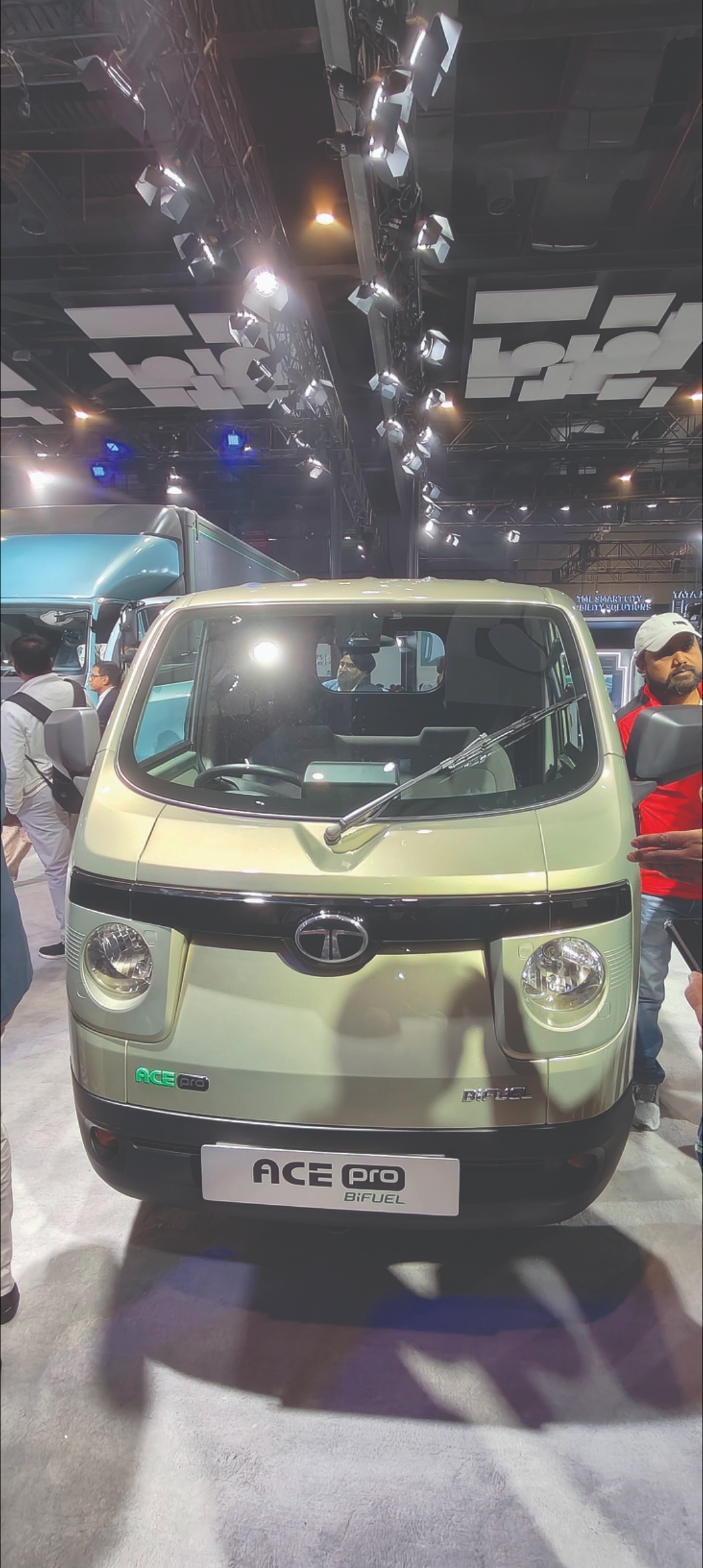
A: Our media mix is multi-layered. We don’t rely on any single platform. Below-The-line (BTL) campaigns are big for us through expos, events, and CRM-based marketing. We leverage first-party data, overhauled websites (more than 35 of them), and owned channels to keep our audience engaged. Then there’s earned media, word of mouth. When a truck performs well on the road, offers safety, profitability, and reliability, that speaks volumes. Campaigns like ‘Desh Ke Trucks’ were built around these everyday truths. Our brand is a sum of many micro-reputations, and each encounter and touch point matters. We also pay close attention to key account meetings. Even our Power Point slides, brochures, and service materials reflect our brand pride and consistency.
Q: Your customer has also evolved. How has their feedback informed your branding decisions, especially with this repositioning?
A: Indeed, our fleet customers have become more discerning. Across our eight P&L businesses, whether it’s small CVs, intermediate, light, medium, or heavy CVs or even buses, the customer profile varies greatly. Take small commercial vehicles, often it’s the first-time buyer or small fleet owner. Sometimes, these are captive users whose main business isn’t logistics, but they use our vehicles to support their operations.
On the other hand, large fleet operators, including companies with multi-thousand-crore turnover, are deeply invested in service, spares, training, and the entire ecosystem. Their purchasing decisions are stickier and long-term. We’ve realised that, unlike Fast-Moving Consumer Goods (FMCG), this sector demands longevity. You don’t switch trucks like you switch shampoo. Once a brand is in the fleet, it stays for five, seven, or even 10 years. So our branding and advertising must reflect that depth. It’s not a lighthearted choice, it’s a commercial and emotional commitment.
Q: Any parting thoughts on how Tata Motors plans to keep evolving with its customers?
A: Tata Motors: The ecosystem we serve is highly dynamic. Selling to a farm gate operator in Punjab is very different from selling to someone hauling construction material in Hyderabad. Yet, across these use cases, the common thread is relevance and respect. We’ll continue to build credible, authentic narratives, backed by solid product performance. That’s how we keep earning trust, not just once, but through the full life cycle of every commercial vehicle we put on the road.