

The battle of who is the preferred mobility provider on Mumbai’s streets is far from over. With protests and strikes inconveniencing commuters seeking a reliable and comfortable mode of transport, the need of the hour is for a strong alternative to emerge if not coexist, write Sahil Kesari and Niharika Singh
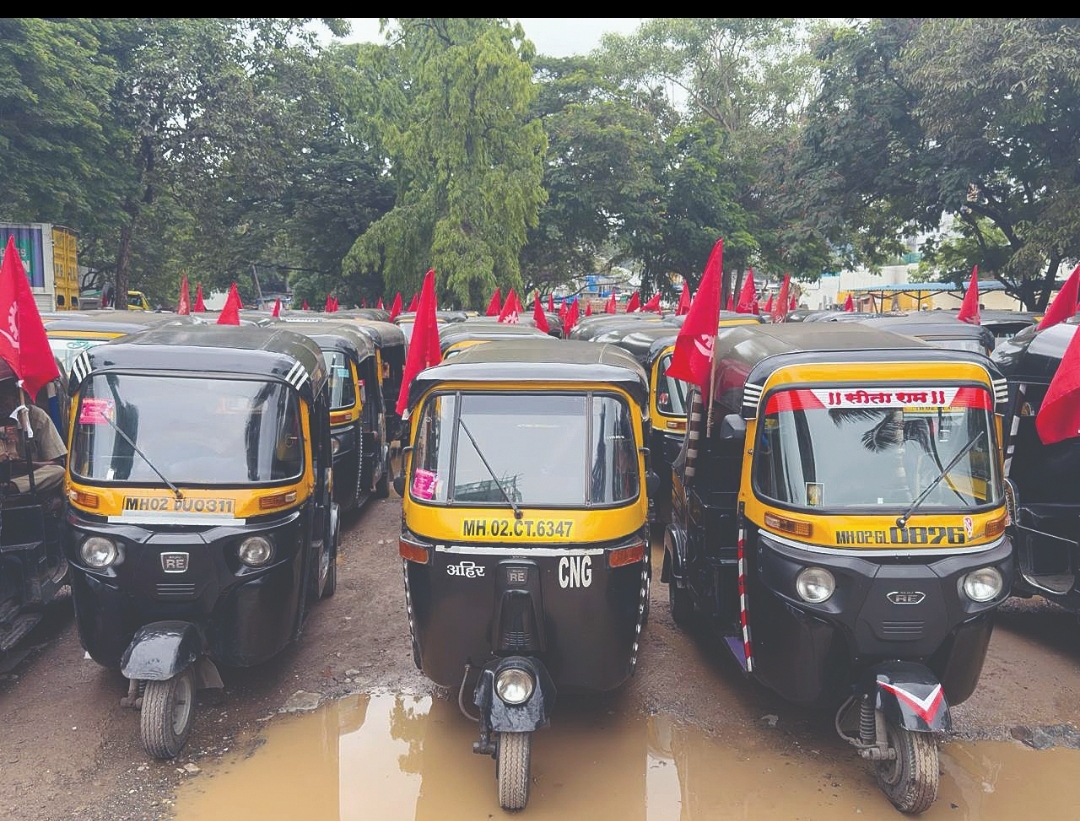
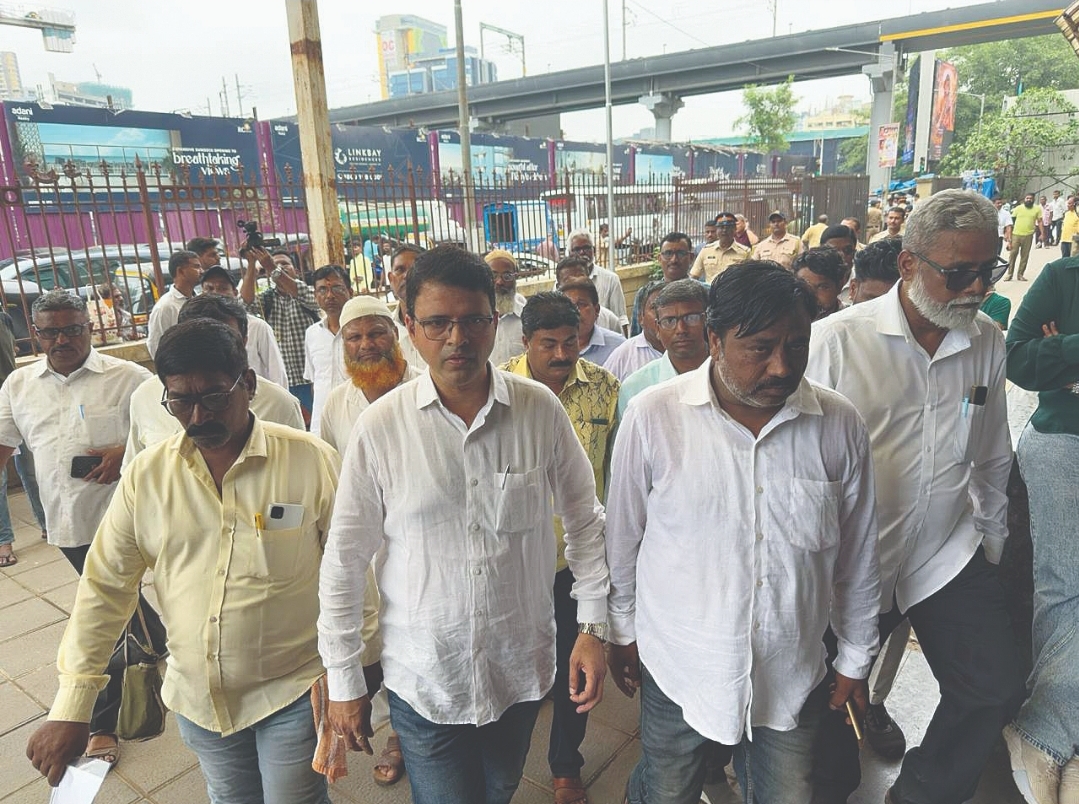
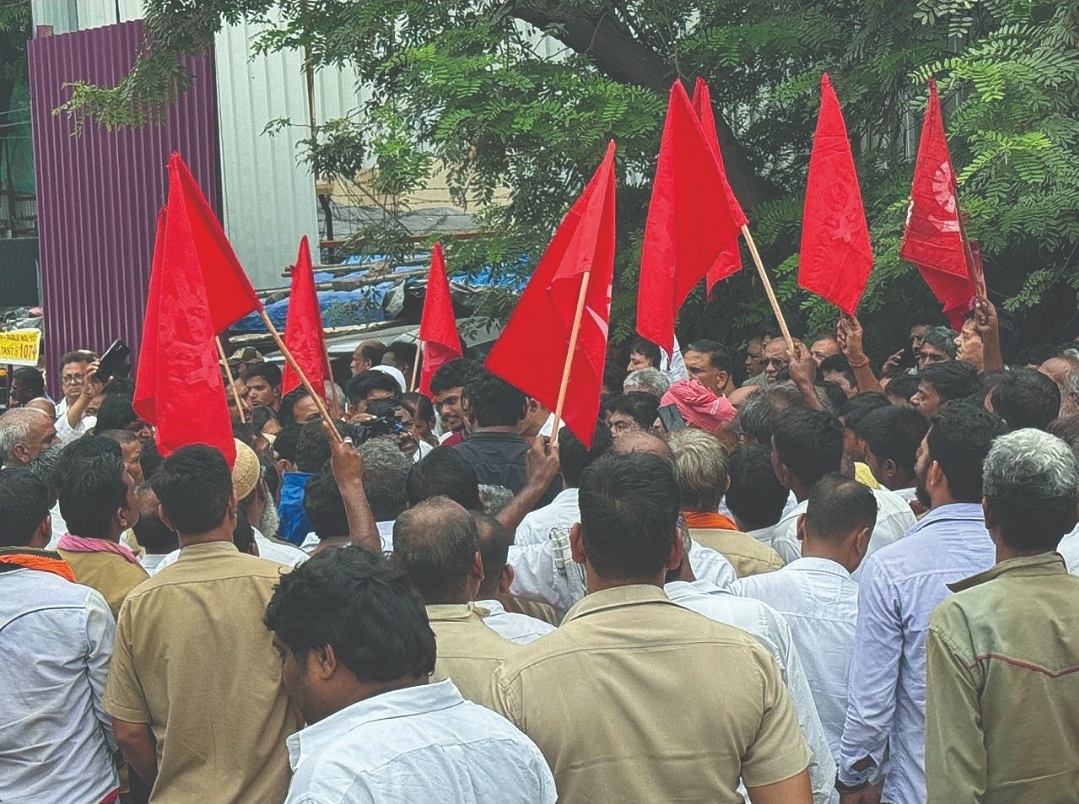
Mumbai, India’s financial capital, saw a major disruption recently as auto-rickshaw drivers protested at the Andheri Regional Transport Office (RTO) in a show of strength led by Shashank Rao, President of the Auto-Rickshaw Taximen’s Union. While there were a group of rickshaw drivers who joined in, others turned away from the protest march. Protesting rise in operational costs and stricter, new rules. Holding protest signs and raising slogans, the drivers weren’t just asking for higher fares; they were calling for a chance to survive in a city where the rules of transport are quickly changing. At the centre of the protest lies a potent mix of financial strain, technological disruption, and policy exclusion, particularly surrounding the Maharashtra government’s controversial move to permit e-bike taxis across the state, said Kamble, a rickshaw driver with over three decades of experience. The decision has been met with stiff resistance from traditional rickshaw drivers, who see it as a direct threat to their already shrinking earnings. Other’s aregoing about their business with an indifferent tone from the protesting pack.
Livelihoods Are at Stake: Drivers Speak Out
As Shashank Rao, spearheaded the demonstration and spoke for the more than 15 lakh auto drivers in Maharashtra.Significant pointers emerged as the bone of contention.
If e-bike taxis or bike pooling services are allowed, it will threaten the livelihoods of rickshaw drivers and push their families towards starvation, Rao stressed upon during the demonstration. He went on to add that over 12 lakh auto rickshaws in the state and 4.5 lakh in the Mumbai Metropolitan Region (MMR) alone stand to be impacted. Rao underlined that e-bike taxis will be disastrous to the already fierce competition brought about by app-based aggregators like Ola and Uber as also evident with the recent crackdown led by Transport Minister, Pratap Sarnaik. The Government should have discussed with us before allowing e-bike taxis. Our association was not consulted. The policy came as a shock,” he claimed.
The Economic Crisis on Three Wheels
The current cost of operating a rickshaw in Mumbai has grown exponentially, putting immense pressure on drivers:
CNG prices have spiked to Rs.77 per kg, increasing monthly fuel costs to over Rs. 10,000.
Loan EMIs for rickshaws average around Rs. 6,000–Rs. 7,000 per month.
Maintenance, insurance, and repairs cost an additional Rs. 3,000–Rs. 4,000.
Net monthly earnings have shrunk from Rs. 40,000 to as low as Rs. 20,000 for many drivers.
On top of this, drivers face frequent fines, enforcement crackdowns, and licensing hurdles, making their day-to-day survival a constant battle. The problem of digital exclusion was also brought to light by other drivers. Not all drivers have smart phones or the digital literacy to use aggregator platforms, even though app-based solutions are convenient. Without providing sufficient assistance or training, the switch to app-based fee meters has simply made compliance more difficult for them.
Public Sentiment and Commuter Woes
Daily commuters experienced inconvenience as a result of the strike, although public opinion was divided. While some expressed sympathy for the drivers’ predicament, particularly in view of the growing cost of living, others voiced their displeasure with fare refusals and availability, problems that have long beset Mumbai’s autorickshaw services. However, some contend that rather than being the result of human apathy, these behavioural problems are signs of societal negligence. They are exhausted, overworked, and under supported as a result of their long workdays, erratic income, and lack of benefits.
Union’s Demands: A Roadmap for Relief
The demonstration was not merely an unplanned eruption. The action was well-planned and included certain demands, such as:
1. The e-bike taxi policy will be discontinued until a thorough consultation is conducted.
2. A 10-15 per cent increase in fares to reflect growing fuel and maintenance expenses.
3. Establishing formal auto stands next to important intersections, such as Andheri Station.
4. Waivers or subsidies for installing smart meters and integrating apps.
5. A reduction in the weight of penalties and amnesty for outstanding challenges.
We have given the Government time to respond. If our demands are ignored, we will intensify our protests across Maharashtra, the Union warned.
Path Forward: Balancing Innovation and Inclusion
A much-needed discussion on the future of urban transportation in Indian cities has been re ignited by the Andheri protest. Innovation in the shape of electric vehicles, internet platforms, and e-bike taxis is crucial, but it shouldn’t come at the expense of traditional mobility workers. Unions and policy activists are putting up the following important solutions:
Gasoline-Linked Fare Adjustment Formula: This eliminates the need for frequent protests by automatically adjusting fares in accordance with gasoline prices.
Digital Training Programs: Government-funded initiatives to teach drivers how to use aggregator tools, UPI, and smartphone apps.
Subsidized Loan and Maintenance Plans: Partnerships with banks or nonbank financial institutions to provide low-interest loans for rickshaw upkeep and improvements.
Designated Parking Zones and Shelters: Ensure legal, shaded auto stands at every Metro, railway, and bus hub to ease congestion and improve traffic flow.
Social Security Inclusion: Bring auto drivers into schemes like Ayushman Bharat or Pradhan Mantri Suraksha Bima Yojana to secure their health and safety.
Is Mumbai Prepared for Bike Taxis in the Race for Urban Mobility with Rapido Bikes and Rickshaws?
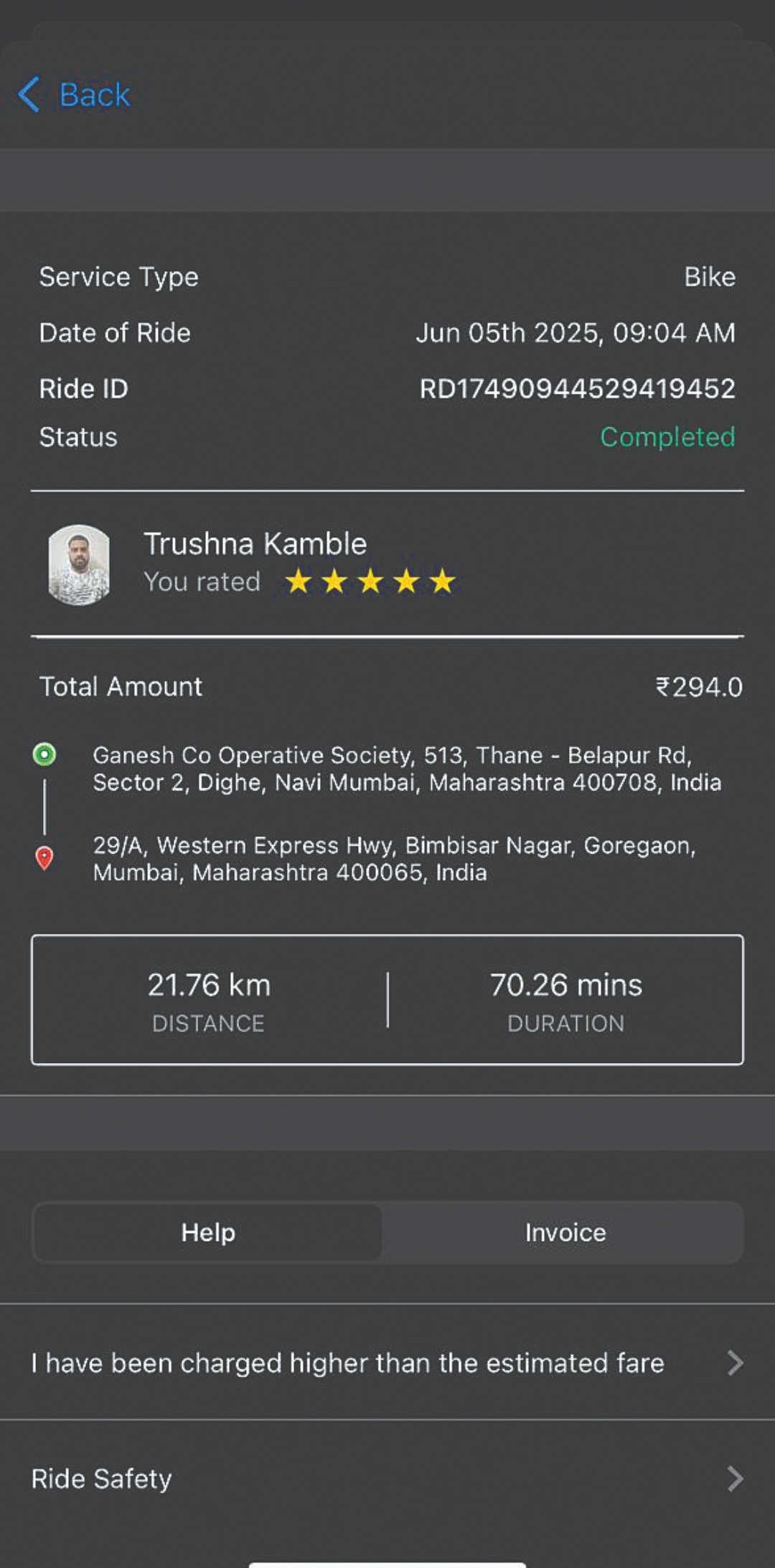
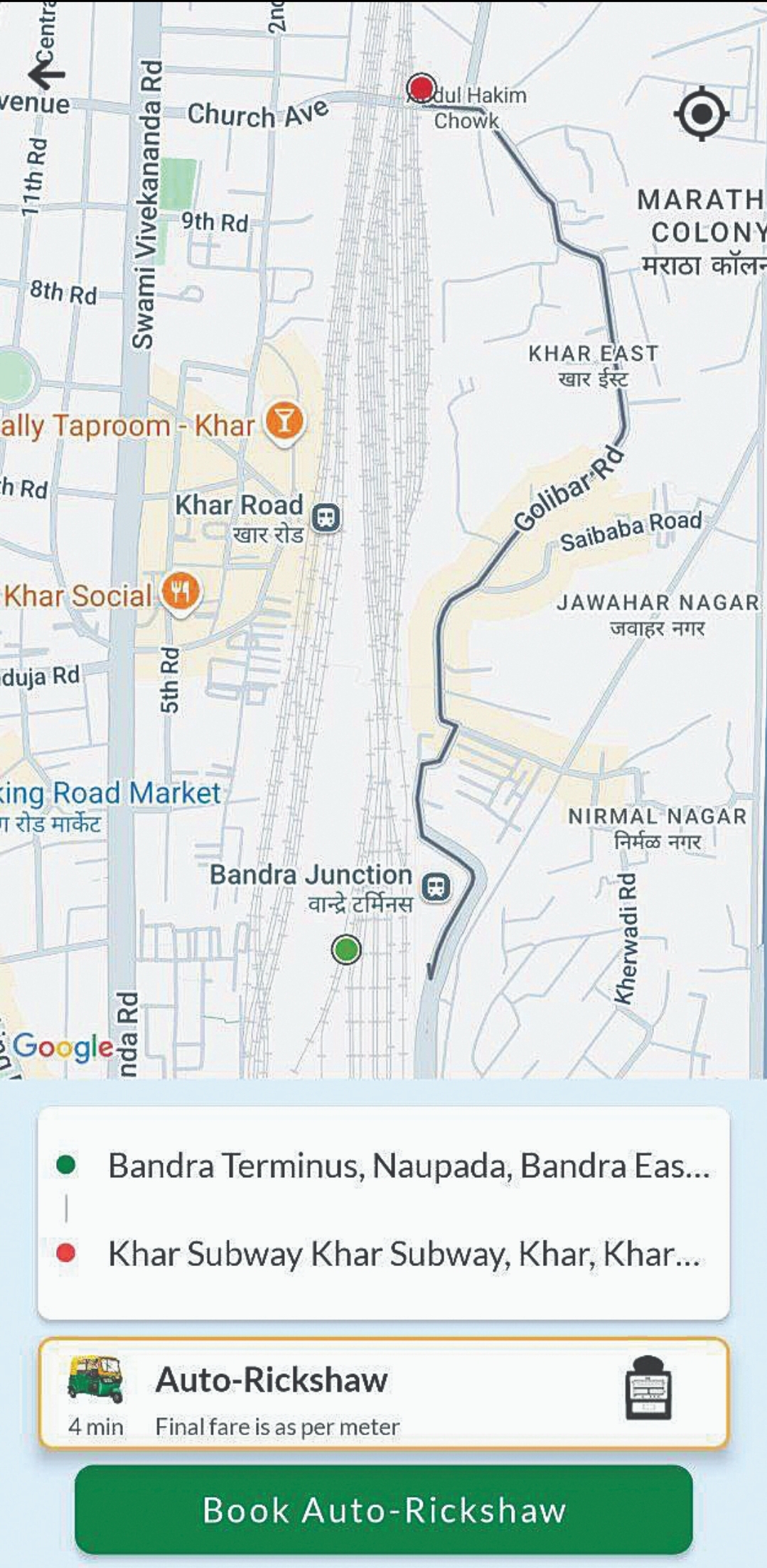
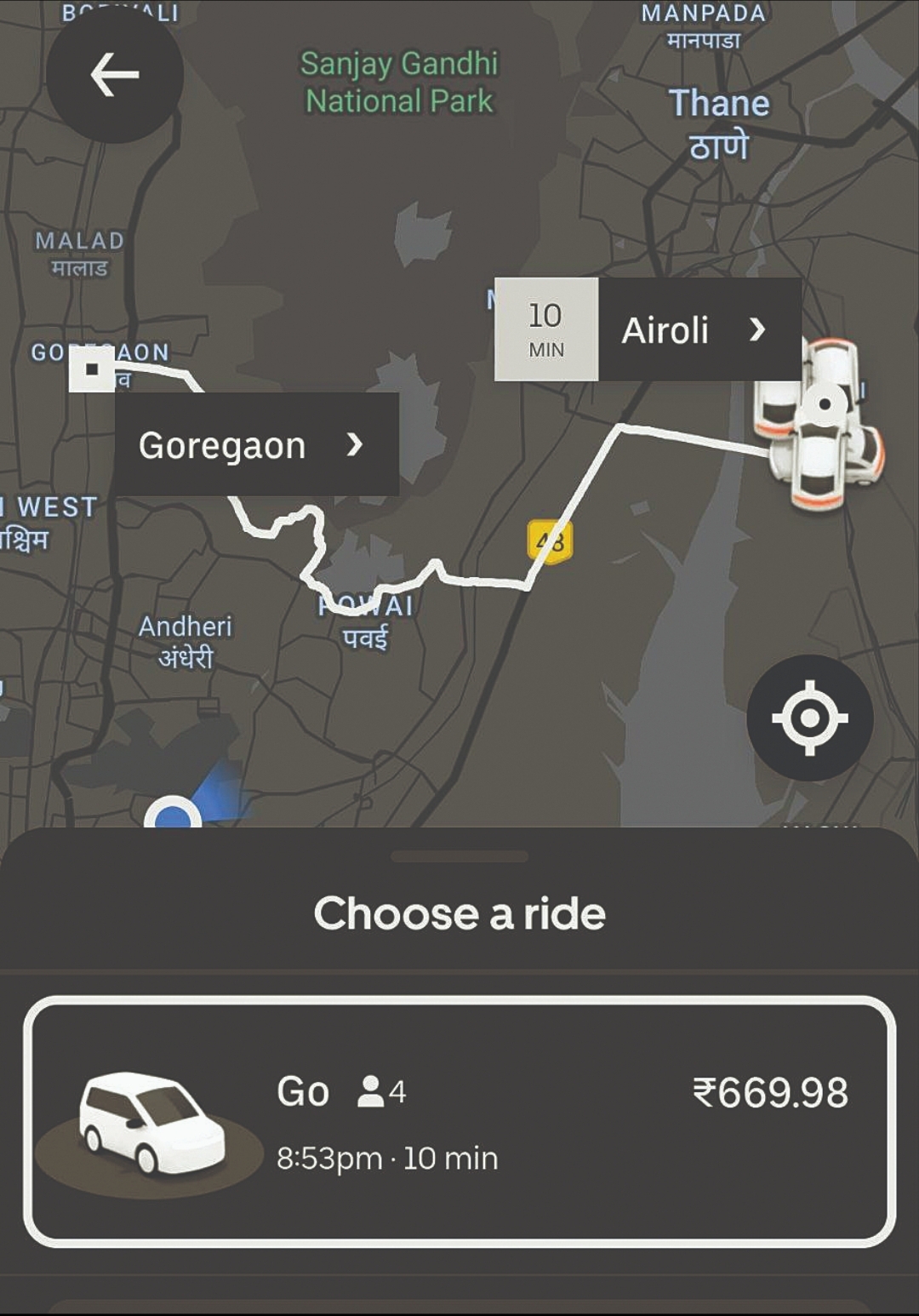
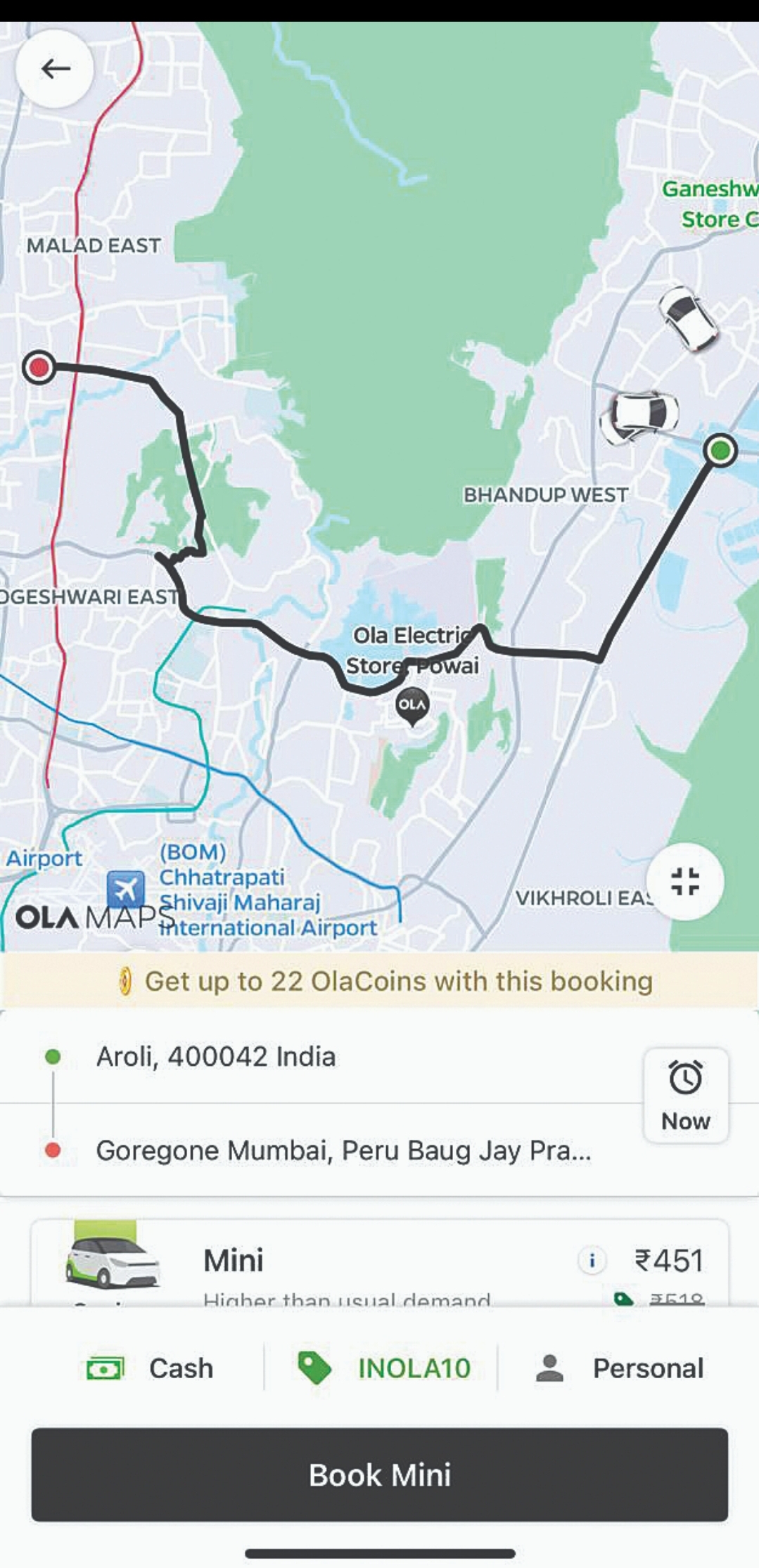
App-based bike taxi services like Rapido are slowly gaining ground in Mumbai’s crowded transport scene. As traffic worsens and daily commutes grow longer, more solo travellers are opting for these two-wheelers. Stuck between pricey cabs and unreliable rickshaws, many see bike taxis as a quicker, more flexible, and affordable alternative. But just how reliable are bike taxi services like Rapido? A recent ride from Airoli to Goregaon offered a firsthand look into both the conveniences and the challenges. The experience began with the usual app wait. For nearly an hour, no captain accepted the ride until a Rs.40 tip was added. This reflects a growing trend among commuters who often include a small incentive to get faster confirmations. Once the ride finally started, the assigned rider, Trushna Kamble, spoke openly about the daily hurdles he faces: road fatigue, vehicle wear from potholes, and heavy, unpredictable traffic, particularly near the Mulund bridge, which was completely jammed that day. Another issue he raised was frequent ride cancellations. “It happens often that I reach the location, and the customer cancels without explanation,” he shared. For captains like Kamble, such incidents waste time and fuel, further adding to the pressures of gig work in Mumbai’s intense traffic environment. Midway through the ride, a traffic cop stopped us. Kamble admitted that his PUC had expired just the day before, and he hadn’t had time to renew it. He had also forgotten to carry his RC book. “I usually keep it, but today I just missed it,” he said. Once back on the road, he explained how tips have quietly become necessary. During peak hours, no one wants to take a ride unless the customer adds a tip. The fare shown in the app hardly covers fuel costs,” he explained. That extra Rs.30–Rs.40 makes it worth it. The ride felt quick and affordable, but the conversation revealed deeper issues, bad roads, low earnings, lack of proper documentation, and limited support from the platform. For many riders, just keeping their work going is a daily struggle. One area that continues to raise concerns is women’s safety. While Rapido has introduced Pink Rapido, a women-only bike taxi service with female captains, it’s currently limited to cities like Bengaluru and Chennai, and even in those cities, availability is inconsistent, with female passengers still often paired with male captains. In most areas, including Mumbai, no such option exists. The initiative is promising, but its limited reach and uneven implementation mean that safety concerns for many women remain unresolved.
Wheels of Protest: Rickshaws Resist Change
Since bike taxis operate outside of the regulated transport framework using private vehicles without commercial permits, auto-rickshaw unions are actively opposing services like Rapido. Enforcement now supports these concerns. Over 400 FIRs were filed by Mumbai Police in March 2024 against Uber Moto and Rapido riders for operating without state transportation approval. More recently, in June 2025, RTO officers conducted dummy rides and verified illegal operations, leading the police to book both companies once more, this time on cheating charges. Cases under Section 318(3) of the BNS and parts of the Motor Vehicles Act resulted from the complaint, which was filed at the Azad Maidan police station. These services continue to function in a legal limbo despite cautions and notifications from transportation authorities.
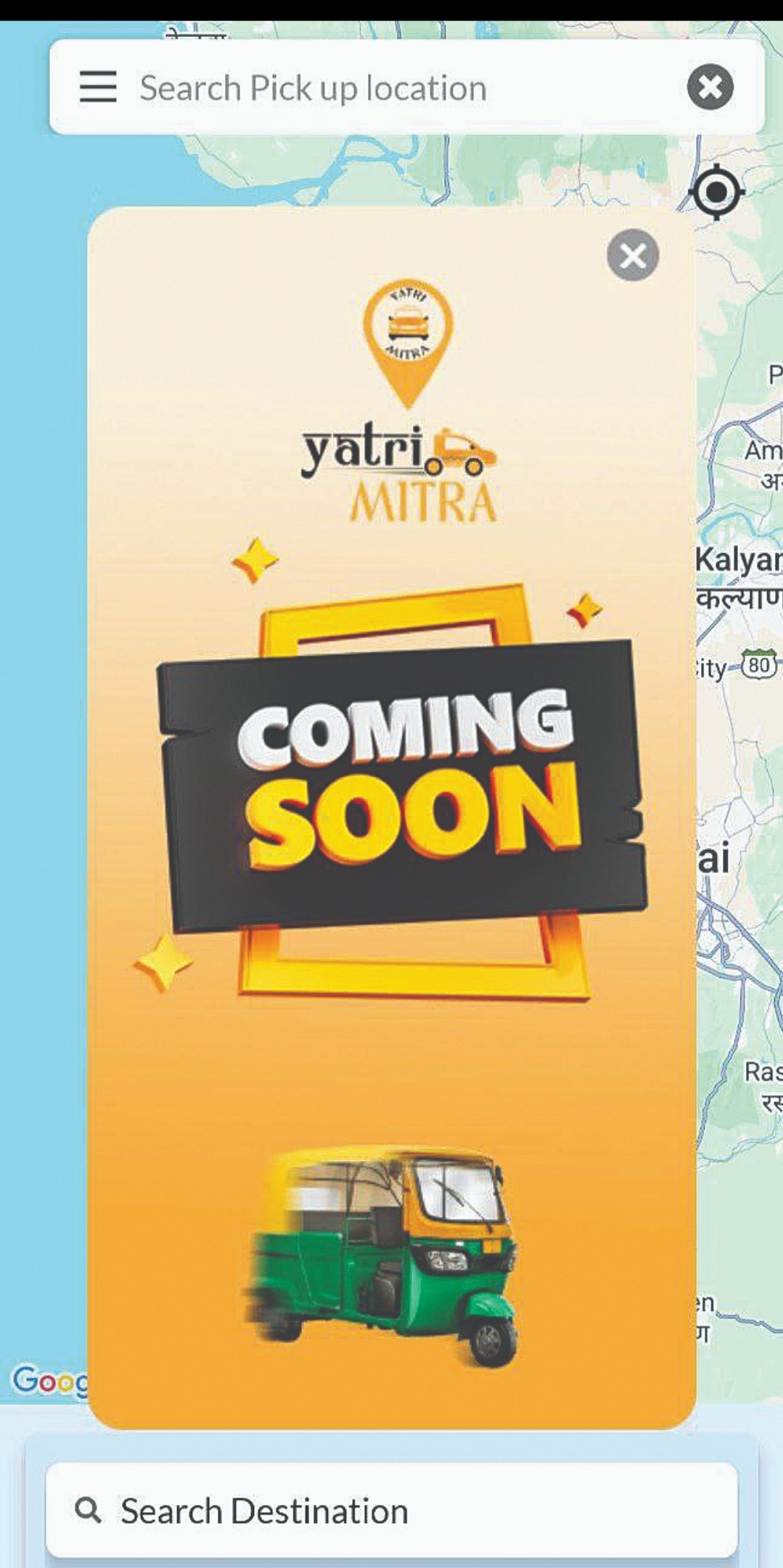
Meanwhile, autorickshaw drivers are not only protesting; they are innovating. Mumbai’s auto unions have created Yatri Mitra, a new digital platform that provides a competitive and transparent alternative to aggregator apps. This software, developed by Metazen Mobility, the same firm that created Bengaluru’s Namma Yatri, represents a dramatic shift in how local transportation can be modernized without the need for traditional aggregators.
The Yatri Mitra app is now in beta, functioning in limited districts of Mumbai, with a complete rollout anticipated for July 15, 2025, spanning both Mumbai and Thane. It is available on both Android and iOS, with multilingual support in English, Hindi, and Marathi, making it more convenient for both drivers and passengers.
From Protest to Platform: Yatri Mitra Empowers Mumbai’s Auto Drivers
What separates Yatri Mitra is its zero-commission model. Instead of withholding a portion from each ride, drivers pay a fixed Rs. 25 daily subscription fee, allowing them to retain their whole earnings. The app also provides insurance coverage for registered drivers, ensuring both safety and financial security. Over 1,000 drivers have already joined up during the beta period, and the goal is to have 10,000+ drivers in the region by launch. The app completely follows meter-based tariffs, complying with state fare regulations and removing the unpredictability of surge pricing, which customers frequently encounter on platforms such as Ola and Uber. Both unionized and independent auto-rickshaw drivers are eligible to join the platform, resulting in an inclusive model that benefits the entire auto-rickshaw community. By creating this platform, Mumbai’s auto unions are not only combating bike taxi disruption but also taking charge of their own digital future. Yatri Mitra illustrates a bigger trend in urban India, where local transportation communities prefer open-source, cooperative tech models to traditional aggregators. This strategy has already proven successful in cities like Bengaluru, where Namma Yatri has transformed how people hail taxis. As Mumbai navigates its urban mobility race, the city stands between two evolving options: loosely regulated but fast-moving bike taxis and local, regulated autorickshaws going digital on their own terms. Whether passengers choose the speed of two-wheelers or the transparency and legality of app-connected rickshaws like Yatri Mitra may well define the future of last-mile transport in the city.
The Pressure Builds on Mumbai’s Streets
As Rapido and other bike taxi platforms continue to expand across the city, tensions within Mumbai’s transport ecosystem are intensifying. Ola-Uber cab drivers are currently on strike, raising demands for fare regulation, reduced aggregator commissions, and a complete ban on bike taxis, an issue that had also drawn sharp opposition from rickshaw unions earlier. Though the present agitation involves only Ola-Uber cab drivers, the pushback against bike taxis and even office shuttle like Citiflo becoming a common thread across the city’s traditional and app-based transport sectors. With no resolution yet from talks with Transport Minister Pratap Sarnaik, uncertainty around daily commute continues.
Who Drives Mumbai Forward? Bike Taxis, Auto Apps, and the Battle for Urban Mobility
At the heart of Mumbai’s mobility debate lies a fundamental question: Who is the system designed to serve, the commuter seeking convenience or the driver seeking a fair livelihood? The rapid rise of bike taxis, operating outside formal regulation, reflects a deep public demand for speed, affordability, and flexibility. But their unchecked growth also highlights a governance gap, one that risks sidelining those who have built their lives around licensed, regulated transport. Globally, cities that have modernised mobility, like Tokyo, offer important lessons. Japan’s public transport ecosystem thrives not just because of its technology but because of its deep-rooted commitment to regulation, consistency, and respect for public service providers. Urban mobility there is seen as a civic responsibility, not just a business opportunity. Mumbai must consider whether it is building systems that serve the long-term public interest or simply reacting to short-term market pressures. The future of transport in Mumbai will be shaped by the values it chooses to prioritise. As the city stands at a mobility crossroads, it must decide whether it wants to simply move faster or move together, with structure, dignity, and purpose.