

India’s electric three-wheeler market, capturing both passenger and cargo vehicles, has surged past the 30 per cent EV adoption mark, an inflexion point, and Mahindra Last Mile Mobility Ltd. (MLMML) continues to lead the charge, writes Ashish Bhatia.
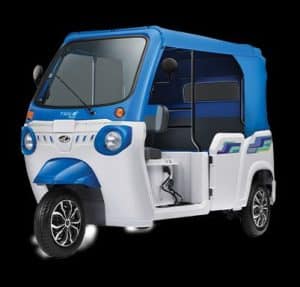
Recent data highlights a remarkable shift in the Electric Vehicle (EV) landscape, particularly within the L5 category of three-wheelers (L5M and L5N). As of Q1-FY26, EVs surged to represent 31 per cent of all new L5 three-wheeler registrations, a substantial increase from the single-digit percentages observed (~eight per cent) in FY23. This transition is largely attributed to several key factors like fleet electrification, supportive state policies, and market growth. Leading the pack, Mahindra Last Mile Mobility (MLMM) is known to have sold over 50,000 units over the past eight months, driving a significant surge in Electric Three Wheeler (e3W) adoption as a whole! With it, MLMM has surpassed 2.5 lakh commercial EV sales with a wide range spanning three-wheelers and four-wheelers.
Higher Adoption Rate For A Reason
Many operators are transitioning their fleets to electric power to reduce operating costs and meet sustainability goals. Electric three-wheelers offer lower fuel expenses and maintenance costs compared to their Internal Combustion Engine counterparts (ICE). Governments have implemented various incentives to promote EV adoption. These include tax rebates, subsidies for electric vehicle purchases, and infrastructure investments such as charging stations that make it easier for consumers and businesses to switch to electric models.
The EV three-wheeler market has experienced a staggering Compound Annual Growth Rate (CAGR) of 194 per cent between FY23 and FY25. This growth indicates a rapid scaling of production, innovation, and consumer acceptance, dramatically reshaping the market landscape. Overall, the integration of EVs in the three-wheeler segment signifies a pivotal transformation in the transportation industry, driven by economic, environmental, and technological advances. As this trend continues, MLMM expects further developments in vehicle technology and infrastructure support that will solidify the position of electric three-wheelers in urban and tier mobility solutions.
MLMM Leads The Electric 3W Segment
- 42,567 e3Ws sold (YTD July 2025)—a 28 per cent annual growth.
- ~11 per cent share of the total e3W segment, topping legacy OEM charts.
- In June 2025 alone, Mahindra sold 6,323 passenger L5 e3Ws, capturing 95.5 per cent sales share in its deliveries.
Advantage MLMM
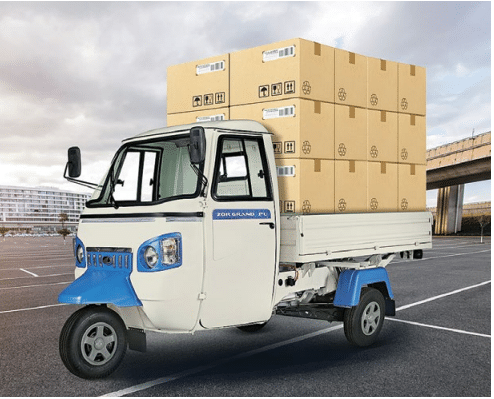
The advantage of MLMM comes from its established Electric Vehicle (EV) platforms, such as the Treo Auto for passenger transport and the Zor Grand for cargo operations. This includes the unique deployment of the Treo Limited Edition. The company is supported by a robust infrastructure, featuring over 800 EV-ready charging points and pilots for fast-charging and battery-swapping. Additionally, MLMM offers comprehensive finance options and support services. Their innovations include a Battery-as-a-Service model, partnerships with Non-Banking Financial Companies (NBFCs), and initiatives like the Mahindra Women Entrepreneurs (WE) Hunnar project, which provides training for women drivers. These efforts have allowed the company to carve out a niche in the market. MLMM also exports to six countries, showcasing its global acceptance. From a stakeholder perspective, the company has attracted notable global investors.
Mahindra vs Competitors
| OEM | YTD July 2025 Sales | L5 Market Share |
| Mahindra | 42,567 | ~11% (Leading) |
| Bajaj Auto | ~38,000 | ~9.3% |
| YC Electric | ~24,000 | ~6% |
| Saera Electric | ~14,000 | ~3.5% |
While others are ramping up, and competition is heating up, players like Bajaj with the RE E‑Tec and GoGo EVs will challenge the status quo. Mahindra still leads in volumes, network, and charging infrastructure, as per claims. The 31 per cent EV penetration in the L5M category underscores a structural shift. Mahindra reports a 30.3 per cent penetration in L5M, while the overall penetration across both L5 passenger and cargo categories stands at 28.9 per cent as of YTD July 2025. In the combined L5 e3W segment, Mahindra boasts of a dominant 37.3 per cent share at about 52,246 units sold in FY25. Mahindra’s peak month of 6,300 June unit sales and its largest dealer service network give it a frontrunner advantage with its greater than industry average pace. In the L5 segment, MLMM has adopted a customer-centric strategy to transform the last-mile electric mobility landscape, driven by product iterations built on customer feedback.
In India’s rapidly evolving EV landscape, the E3W L5 segment stands out for its uniquely value-driven customer expectations. Operators here prioritise low Total Cost of Ownership (TCO), reliable uptime, and ease of maintenance, often seeking proven models that deliver consistent earnings per trip. Range anxiety, though easing with newer battery tech, remains a concern, making fast-charging and higher-rated IP protection crucial. Importantly, buyers evaluate load capacity and vehicle sturdiness closely due to varied terrain and overloading practices. Additionally, driver comfort and cabin ergonomics are gaining ground as differentiators in fleet purchase decisions.
Subsidies under FAME II and state EV policies still influence purchase decisions (Mahindra was the first in its category to secure certification under the PLI scheme), but with phased-out benefits and shifting norms, buyers are now more attuned to inherent product value and post-sales support. OEMs like MLMM that prioritise customer feedback, combine localisation, smart financing, and robust on-ground service are thus better positioned to dominate this fiercely competitive last-mile segment. It expects the segment to surpass a ~40-50 per cent rate of electrification by 2027, a foundation for the complete electrification of the segment.