

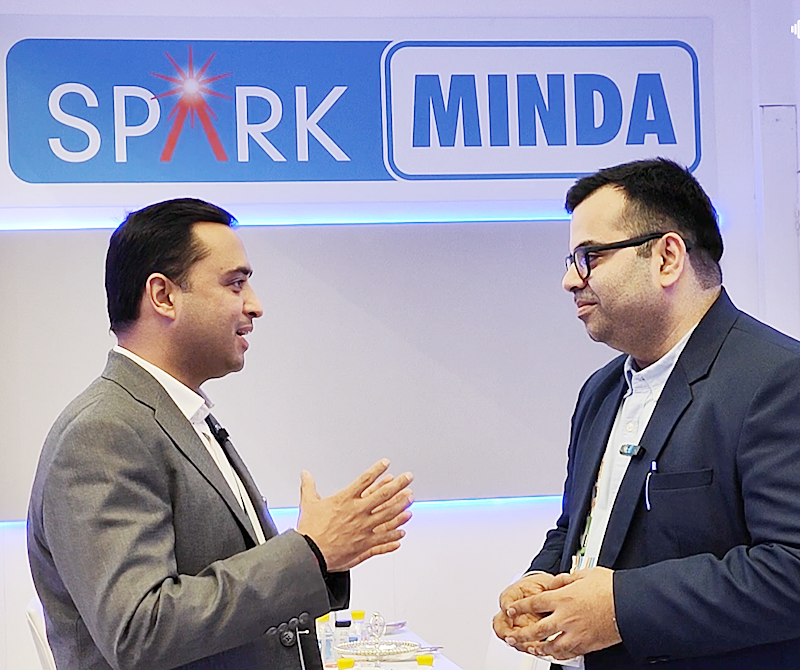
We caught up with Aakash Minda, Executive Director at Spark Minda and Chairman, CII Western U.P Zone. Spark Minda is riding the wave of premiumisation, electrification, and digital cockpit innovations. In this exclusive interview, Minda shares insights on market sentiment, evolving product lines, strategic partnerships, and the road ahead with Ashish Bhatia.
Q. What’s the industry sentiment like at the Bharat Mobility Global Expo this year?
A. You can sense the excitement! With nine concurrent exhibitions across Delhi NCR, the entire automotive ecosystem is coming together. There’s a strong momentum around growth and innovation – especially in automotive components. Everyone’s upped their game in terms of displays and offerings. The energy and enthusiasm heading into 2030 are palpable.
Q. Spark Minda has been growing its content per vehicle. Could you walk us through your key product lines and expansion strategy?
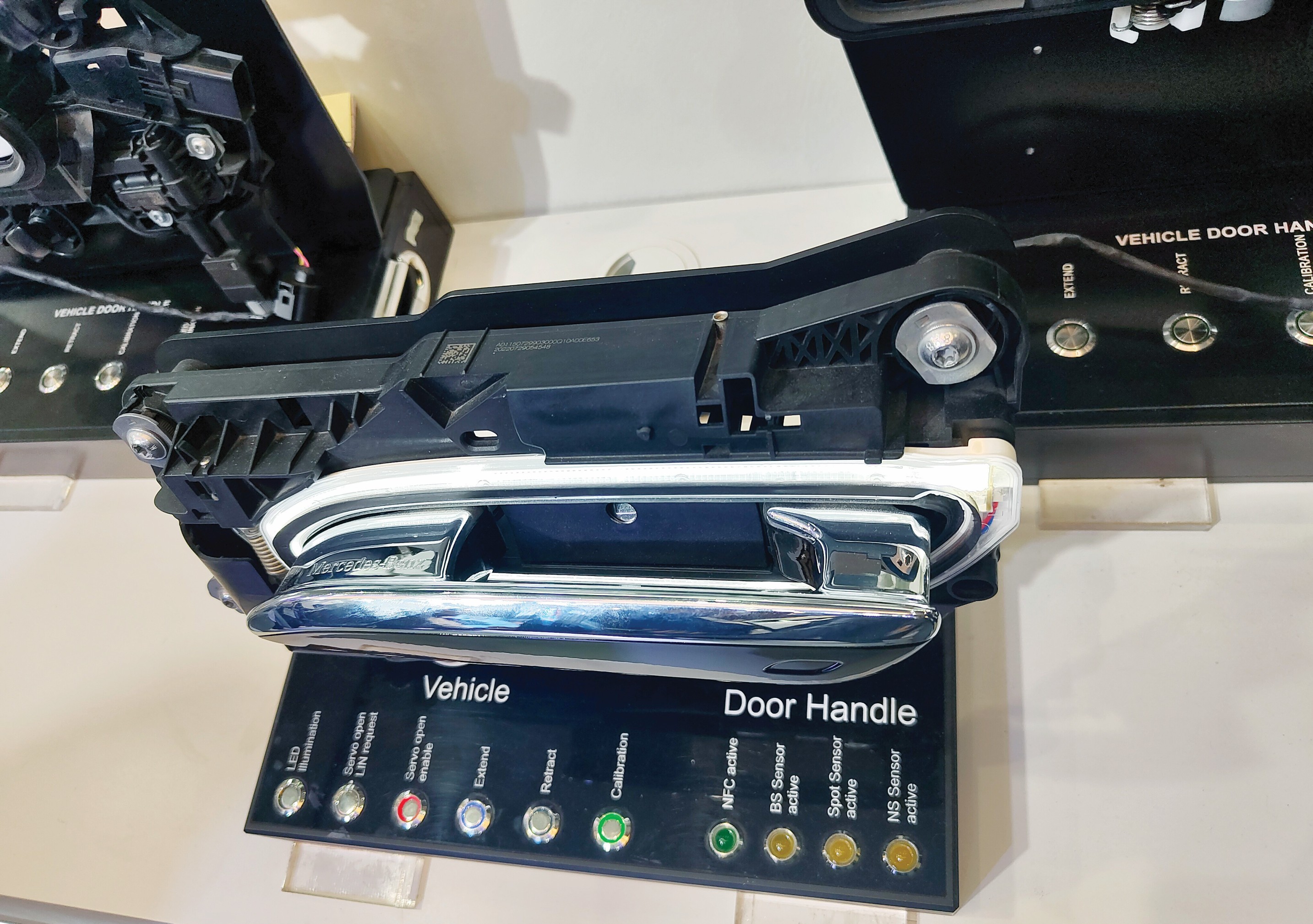
A. We currently have seven major product lines:
1. Vehicle Access Systems – From locks and keys, we’ve added door handles, latches, sunroofs, and power tailgates.
2. Driver Information Systems – Analog clusters have evolved into full cockpit electronics with digital dashboards and driver monitoring.
3. Electrical Distribution Systems – We’ve gone from low-voltage harnesses to high-voltage PDUs, BDUs, and EV connectors.
4. Die Casting & Light weighting – Now a full-fledged system supplier for EV thermal management solutions.
5. Electronics – including telematics and body control modules.
6. Powertrain Electronics – Added through our JV with Flash Electronics.
7. Adjacency Products – Premiumising every vertical with adjacent innovations.
Across all categories, the goal is to increase kit value through electronification and premiumisation.
Q. That’s a vast portfolio. Doesn’t managing so many SKUs pose challenges on the supply side?
A. We focus on core domains and build vertically within them. Every four to five years, we add a new division or strategic synergy. We aim to strengthen existing verticals rather than spread too thin. This approach allows us to deliver integrated solutions across two-wheeler, three-wheeler, four-wheeler, and commercial vehicle segments.
Q. What role do strategic partnerships and JVs play in your expansion?
A. They’re pivotal. In the last two years, we’ve inked five to six key partnerships. Notably:
- HCMF (Taiwan) for sunroof and tailgate systems.
- Flash Electronics, where we acquired a 49 per cent stake to create one of India’s largest EV platforms.
With Flash, our EV kit value for two-wheelers increased from Rs. 15,000 to Rs. 30–35,000. These collaborations significantly deepen our penetration and raise value per vehicle.
Q. Electrification is a hot topic. What’s your outlook across segments for EV penetration?
A. Here’s how we see it shaping up by 2030:
- Two-wheelers: 25–30 per cent penetration (currently ~five per cent)
- Three-wheelers: Around 40 per cent
- Buses: 80–90 per cent
- Passenger Vehicles: Seven to 10 per cent
We expect significant growth, especially in two-wheelers and commercial fleets. PVs will need more work on charging infrastructure and consumer adoption.
Q. How are you aligning internal capacities to support this transformation?
A. We’re investing across the board – engineering, manpower, modular production, and scalable infrastructure. Our approach is to begin with modular capacities and gradually build scale. This ensures flexibility while staying cost-effective and future-ready.
Q. What more do you expect from policymakers to support this momentum?
A. The government has been supportive with schemes like PLI and incentives for electronics manufacturing. Continued support in localisation will be crucial. It motivates us to become more self-reliant and competitive globally.
Q: Lastly, what are your near-to-long-term goals and challenges?
A. We’re targeting USD 3 billion in revenue by 2030, combining organic and inorganic growth and tapping domestic, export, and aftermarket channels. The challenge lies in localising new tech affordably, securing customer approvals, and upskilling Tier 2/3/4 suppliers to meet modern standards. We need to upgrade the entire value chain to truly capitalise on emerging opportunities.
We love the spark at Spark Minda. With an electrified vision, a diversified portfolio, and deep ecosystem plays, Spark Minda is poised to spark India’s mobility transition in this decade of transformation.