

Tata Motors’ CV Business is reinventing brand building in a digital-first world, as per Shubhranshu Singh, CMO – Commercial Vehicle Business Unit at Tata Motors, in this conversation with Ashish Bhatia.
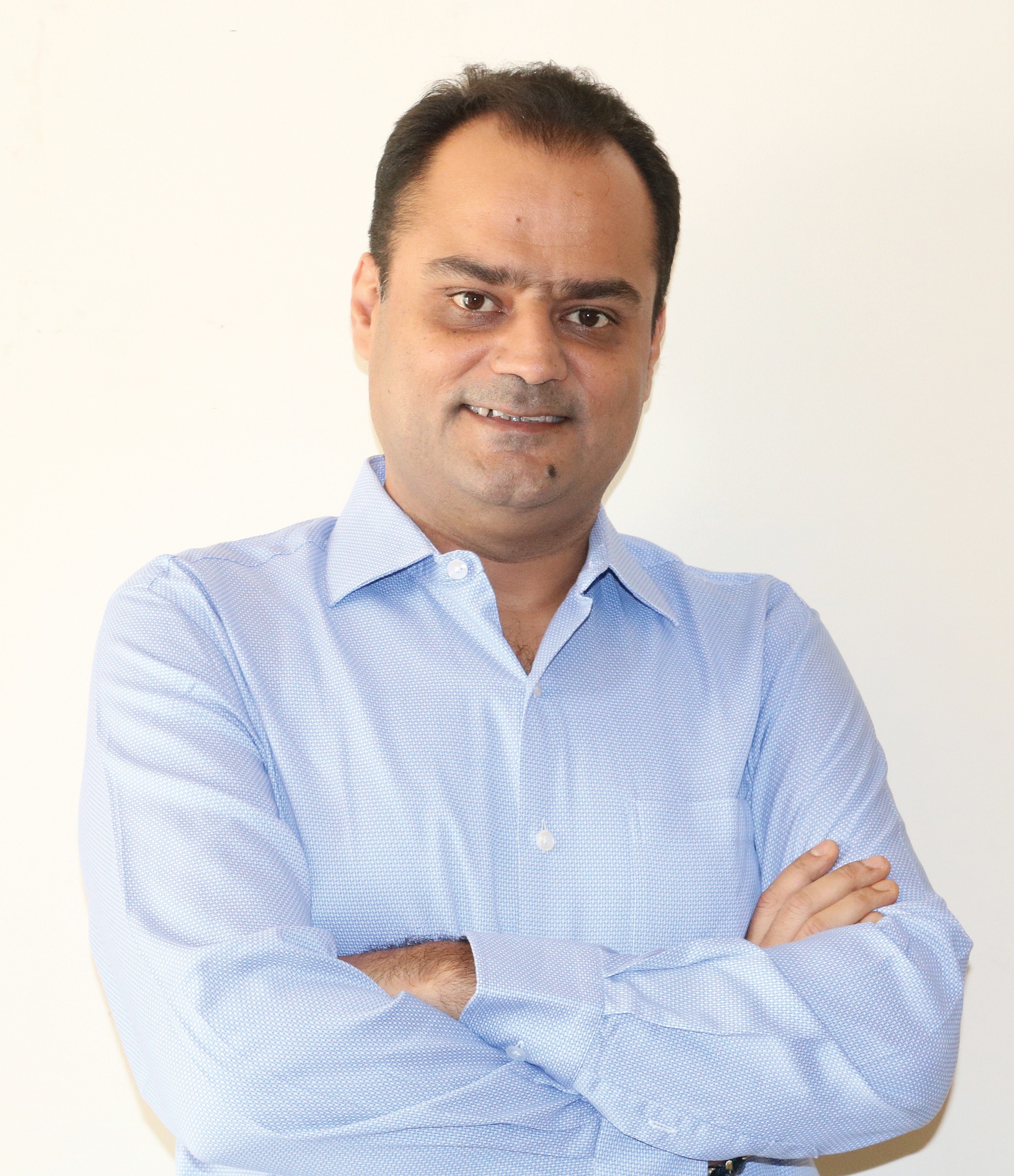
Q: You’ve had a fascinating journey across categories—from FMCG to financial services, and now commercial vehicles. How has your marketing lens evolved during your tenure at Tata Motors?
A: It’s been a privilege to be part of Tata Motors’ commercial vehicles business for over three and a half years now. Coming from consumer-driven industries, I thought I understood marketing deeply. But the steepest learning curve of my career has been here. Most people associate CVs with logistics, but once inside, you realise it’s a massive ecosystem, one that touches nearly every facet of the economy.
From the chairs we sit on to how we commute, or even how food gets to our tables, commercial vehicles play a pivotal role. Yet, the contribution of CV drivers and operators often goes under appreciated. This is a human story as much as it is a business one. What makes it even more special is doing this under the Tata brand umbrella, an institution built on trust, purpose, and societal impact.

Q: Given this dynamic space, how would you describe the evolution of marketing within Tata Motors’ CV business?
A: Traditionally, marketing was seen as a support function. Today, it’s integral to how we go to market. Our role is to help business teams reach the right customer, at the right time, with the right message, while inspiring and engaging them in a language that resonates. And yes, the fundamentals have evolved. The classic 4Ps—product, price, place, promotion are still relevant, but they’ve become much more layered. The tools, the media, and most importantly, the audience have changed drastically.
Q: So are the traditional 4Ps outdated, or have they been redefined?
A: Let’s put it in context. The 4Ps—formalised during the Mad Men era—worked well when media channels were limited, and consumers weren’t digitally empowered. Back then, NASA’s entire computing power during the 1969 moon landing was less than what your electric iron might use today! Now, every smartphone in a 12-year-old’s hand has more computing power than that.
Today, India has over 400 million citizens under the age of 20. Roughly 65 per cent of the population is below 32. These are digital natives. For them, product discovery, peer recommendations, and purchases happen on screens, not in stores. So yes, the 4Ps are still here—but their expression is very different in this always-on, app-based, hyper connected economy.
Q: How does this translate into the shift from traditional ATL and BTL to integrated or even “through-the-line” marketing?
A: That’s a significant shift. If you look at global ad spends in 2024, they crossed a trillion dollars, with USD 700 billion going to digital. Meta (Facebook, Instagram, WhatsApp), the Google stack (Search, Display, YouTube), and the China-led ecosystem (like TikTok) account for the lion’s share. Trade marketing spends on e-commerce platforms like Amazon are a growing segment too.
India is one of the largest contributors to this growth. The reason? Digital media is responsive, measurable, and algorithmically optimised. Whether it’s your email sorting, YouTube thumbnails, or song play lists, it’s all mediated by AI and algorithms tailored to your behaviour. In our marketing strategy at Tata Motors, this means leveraging platforms that allow real-time feedback, fine targeting, and personalisation. But it also means we need to think beyond just ads, we must create experiences and narratives that are shareable and authentic.
Q: Speaking of authenticity, how do you view the rise of the influencer and creator economy?
A: This is one of the most tectonic shifts in marketing. Earlier, brands controlled the narrative; we created an ad, paid for media, and reached customers. It was linear. Today, it’s collaborative. If your content isn’t being spoofed, shared, or commented on, it’s probably a failure. The audience has a voice and reach. Anyone with a phone is a walking, talking studio. My son doesn’t order food without checking ratings. He’s a digital native who lives in a world where creators shape perceptions. As marketers, we need to be humble and willing to learn from this generation. The creator economy is not a fad, it’s the new distribution channel for trust and influence.
Q: What does this mean for marketing leadership in CVs—a space traditionally seen as conservative?
A: It means we must balance our legacy strengths with digital agility. At Tata Motors, our approach is to be data-driven yet human-centric. We understand the unique personas of our fleet operators, truckers, and MSMEs. Our digital campaigns speak their language while staying true to our brand promise. We’re also embracing influencer marketing thoughtfully, collaborating with regional creators, using vernacular content, and tailoring messages to context. The goal is to elevate not just the brand but the people who keep the economy moving—our CV community.
Q: Well said. Any closing thoughts for marketers looking to thrive in the mobility sector?
A: Stay curious, stay humble. Don’t assume yesterday’s playbook will work today. Whether it’s a 12-year-old with a phone or a fleet owner managing through WhatsApp—listen to them, learn from them, and market with empathy. That’s where the future lies.
————————————–
As the CV landscape rapidly transforms, voices like Shubhranshu Singh’s remind us that marketing is no longer about pushing products; it’s about creating meaningful connections in an increasingly digital, yet deeply human world. Watch out for Part 2 of this conversation in the upcoming issue.